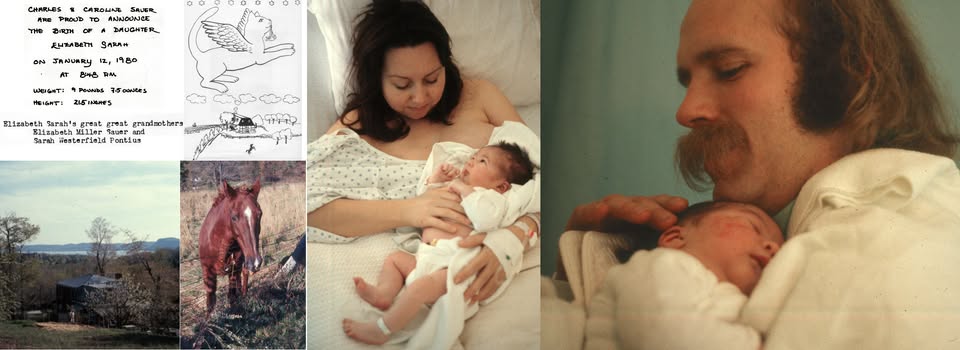
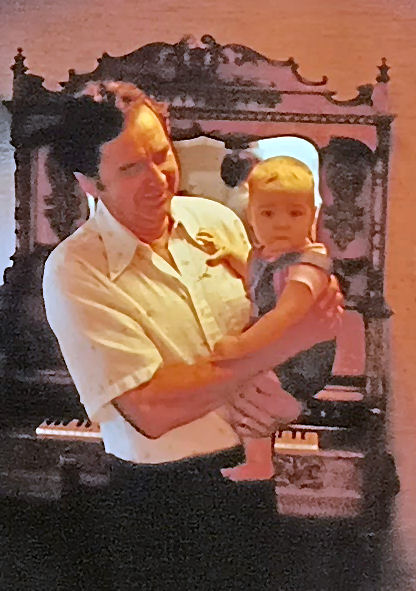
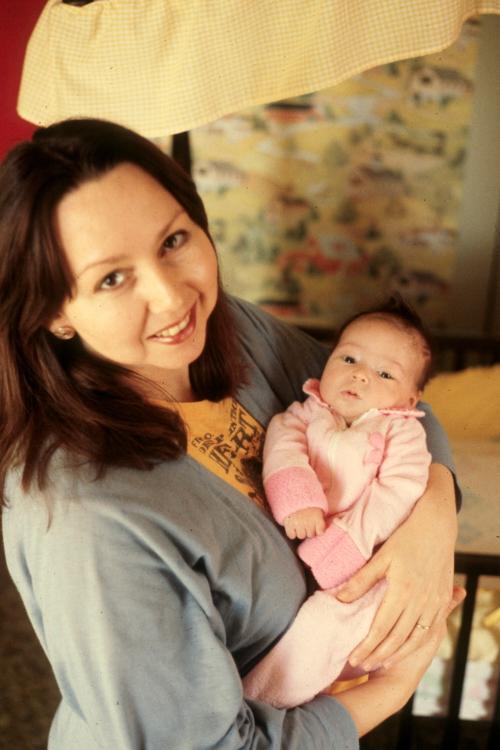
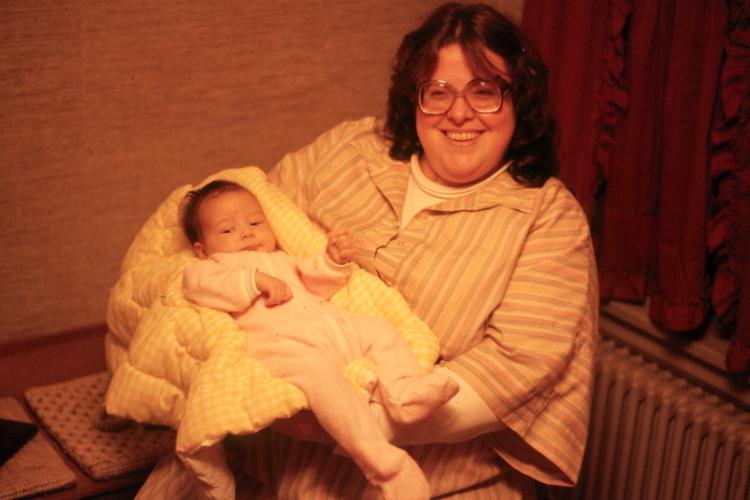
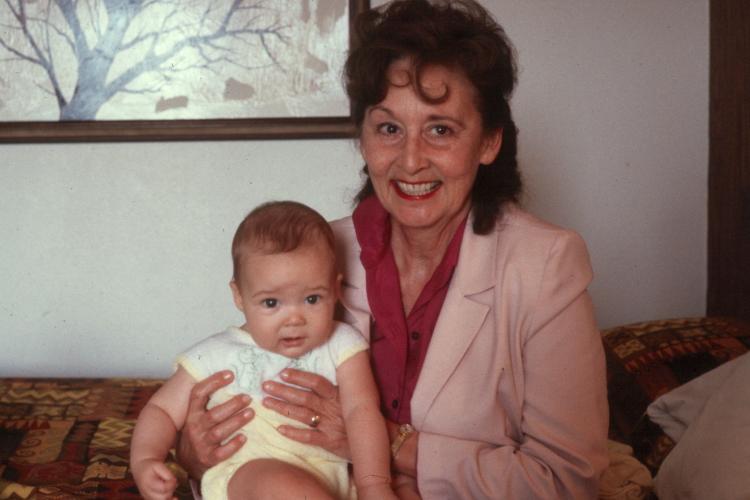
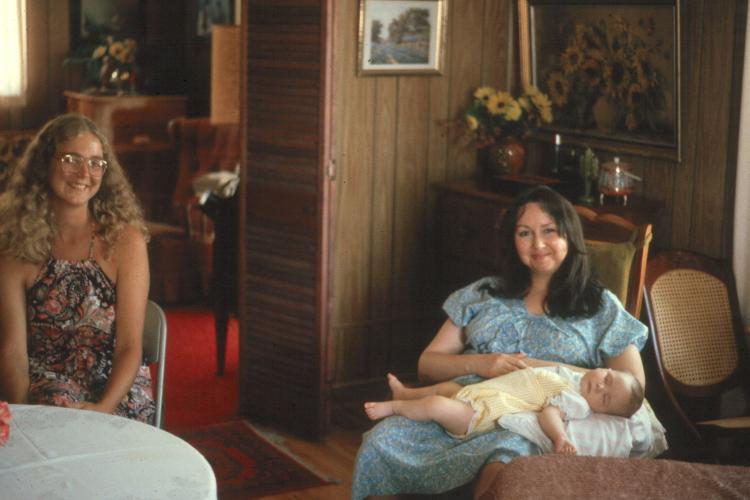
Caroline's water broke early in the evening of January 12, 1980. We called the obstetrician and then called Robin — since she would be taking care of the cats and Dukey while we were to be gone — and headed for Phelps Hospital in what was then called "North Tarrytown." Years later that village became Sleepy Hollow, emphasizing the Washington Irving association.
The hospital's only fetal monitor was malfunctioning. The obstetrician was concerned that the green color of the amniotic fluid might be a sign of distress. He insisted that we proceed with C-section and we reluctantly agreed. I wasn't allowed to be present for the surgery — "I don't want to deal with a father fainting during the delivery."
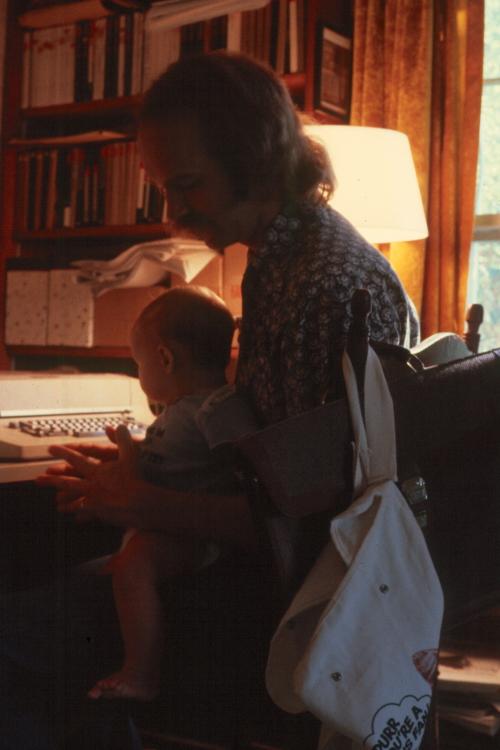
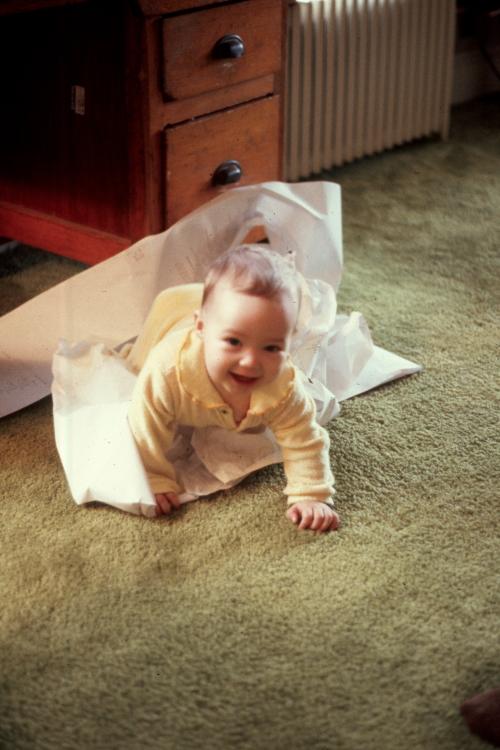
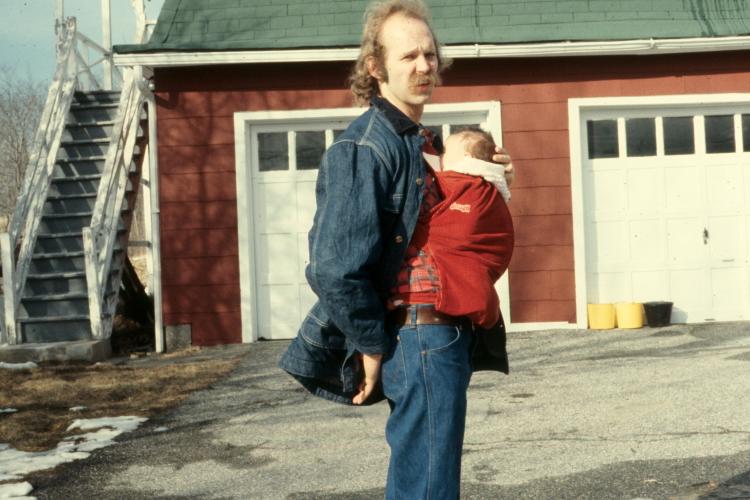
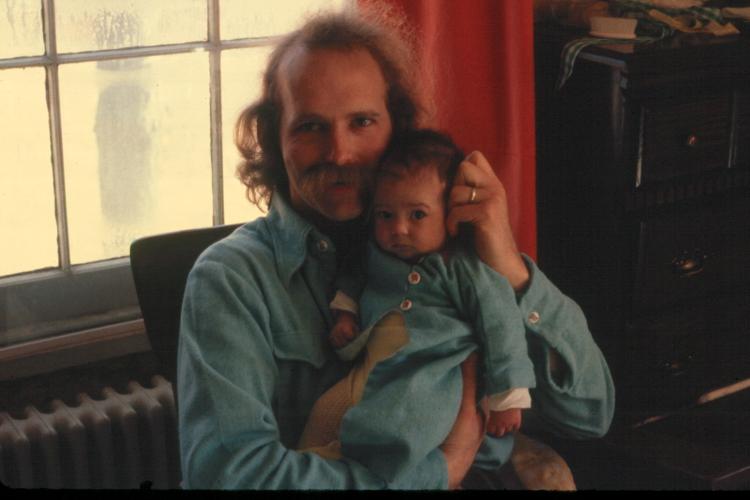
After my routine paternity leave, IBM continued to be extra-supportive, in particular providing a 2741 terminal so that I could work remotely. (When Liz started crawling, she would sometimes crawl in the fanfold paper printed by the 2741.) Caroline said I was continuing my tradition of working "half-time" — 12 hours a day — half a day at home and half a day at the office. (Eventually, the 2741 was replaced by an IBM 3101. With a 1200 baud modem and custom 3270 emulation firmware, working remotely with the 3101 was within striking distance of being as efficient as using a real 3270 at the office.)
 |
 |
 |
 |
 |
 |
 |
 |
 |
 |
Work on RESQ increased dramatically, supporting RESQ1, creating RESQ2, adding core capabilities, and building new tools "on top of" RESQ. Ed and I were primary but certainly not alone. Looking back in 1984, we wrote: M. Reiser and L.S. Woo made substantial contributions to the initial version of RESQ. J.F. Kurose and S. Salza helped define the syntax and semantics of the language used in the current version of RESQ and implemented the translator for that language. L. Berger and P. Loewner have made extensions in the model construction phase of RESQ. A. Blum, P. Heidelberger, E. Jaffe, K. Plochinski, P. Rosenfeld, S. Tucci and P.D. Welch all contributed to the definition and implementation of the numerical and simulation components of RESQ. K. Bharath-Kumar and P. Kermani have helped spur further refinement of RESQ through their work on SNA/PET. We are indebted to numerous RESQ users for the many suggestions we have received, for the discussions that have helped crystallize our thinking and improve RESQ, and for the encouragement we have received in the development of this methodology and this tool. Finally, we would like to thank the many students at the IBM Systems Research Institute who have helped us in focusing our attention on the RESQ concepts[1,2].
Before I interviewed in 1975, I was very conscious of the IBM reputation for formal attire — suits, white shirts, and neck ties. In 1975 I didn't own a suit or white dress shirt, and the only tie I owned was one that Heidi Howell made and gave to me that fateful 1968 Christmas. Mom had given me a beautiful wool turtleneck that I wore to my interview. At both IBM and at U.T., I continued to wear informal attire. However, Caroline thought that needed to change. There was the SYMS chain of off-price clothing stores throughout the Northeast, with ubiquitous TV spots ending "An educated consumer is our best customer." Over time, we purchased many designer 3-piece wool suits, etc., at the White Plains SYMS, and that apparel became my office standard.
In additon to presenting the RESQ work at external workshops and conferences, I was frequently giving RESQ presentations to IBM people, at Yorktown, Poughkeepsie, Raleigh, Boulder, and other locations. Ralph Gomory would have IBM CEO Frank Cary come to Yorktown every 6 months for presentations of important work. I think it was in 1980 when Ralph wanted me to give one of those presentations, on RESQ. Ralph's technical assistant worked with me extensively to simplify my usual introductory presentation and add background on queues and other concepts. When I actually presented RESQ to Frank, it became immediately obvious that the added background and simplifications had gone too far. I had to recover quickly and present much more as I would for a more technical audience.
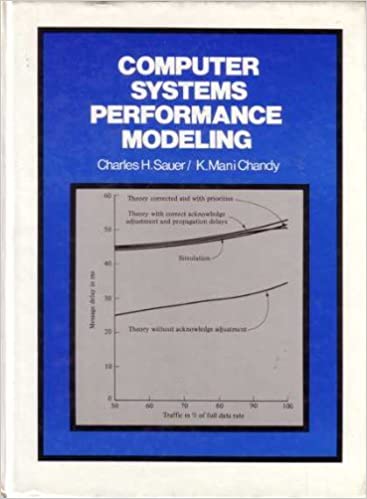
Though the RESQ work was my primary focus, and the most important to IBM, RESQ wasn't the only priority. Most of the writing of the book had been done in 1979, but it was not finished. IBM administrative staff entered all of the typewritten chapters into Script for VM/370. The PASCAL programs and equations had to be formatted appropriately to produce camera ready copy on the APS-5. All IBM publications had to go through formal internal review, so with books that process was more than perfunctory. Mani surprised and honored me by insisting that I be listed as first author. All was done by the end of the year, but Prentice-Hall wanted a 1981 copyright. Computer Systems Performance Modeling was enough of a sales success to eventually go through a second printing[3]. Subsequent books by others, notably by Lazowska, Zahorjan, Graham and Sevcik, and by Jain, are arguably more rigorous, comprehensive, and successful, but our book established the need for such books.
Other researchers at Yorktown and elsewhere continued to seek exact and approximate algorithms for tractable queueing network models. Mani (still at U.T.) and I also worked on improved algorithms, both as part of working on the book and separate from the book. We published two more papers on that work in 1980[4,5]. Ed, Silvio Salza and I published the first external paper on the RESQ2 work at the end of 1980[6].
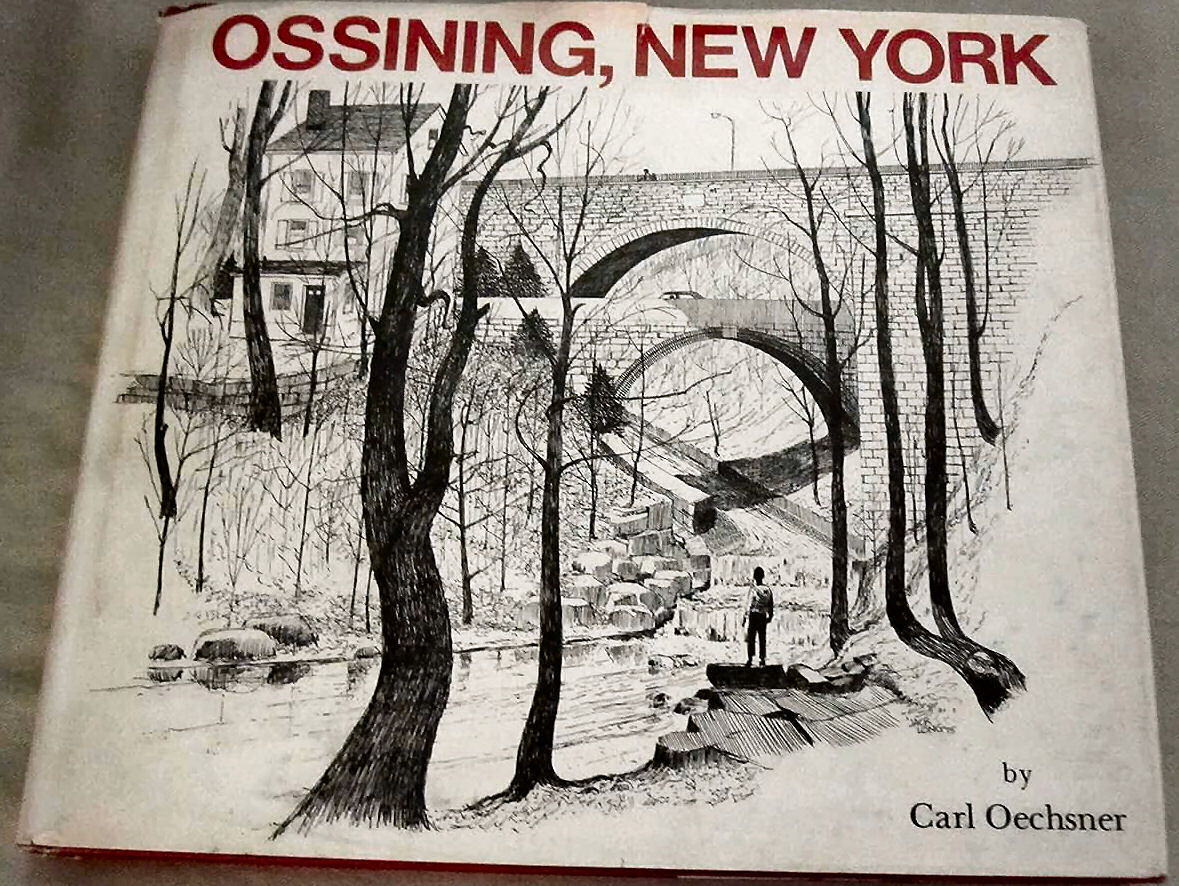
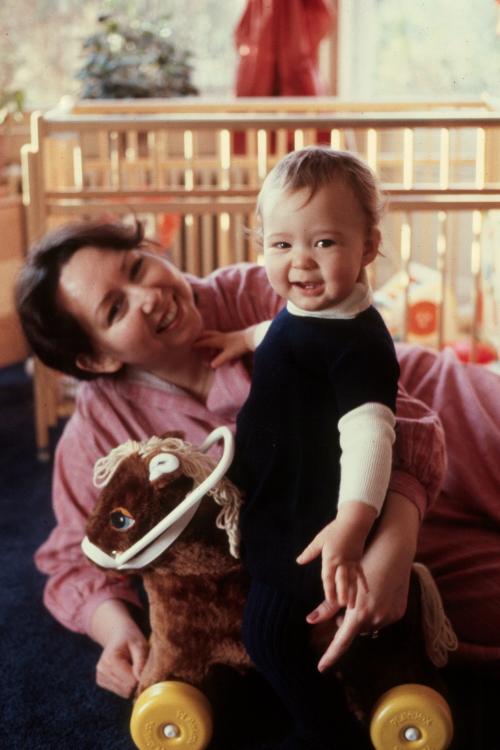
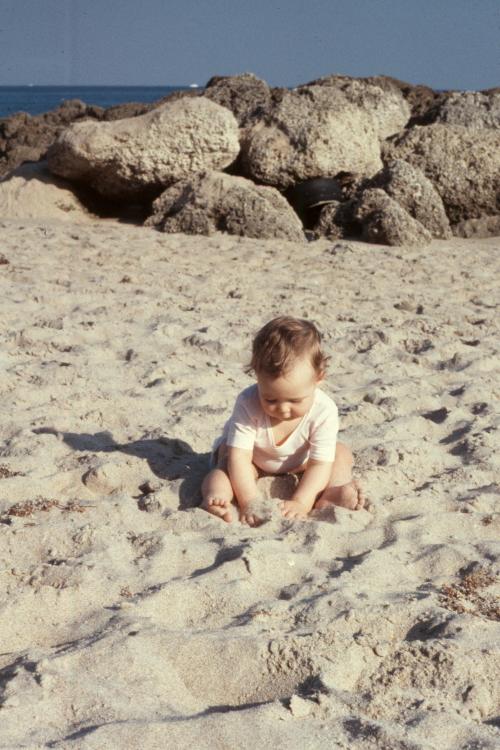
In January 1981, Caroline and Liz accompanied me to go to Boca Raton for some week-long IBM technical conference. Just a few weeks before, the temperature in Ossining had been 5 below zero Fahrenheit. Deplaning in West Palm Beach, with the temperature 68F, we heard someone else from Yorktown seriously exclaim "This weather isn't good enough!" Liz took her first steps in the hotel room on that trip.
 |
 |
 |
 |
 |
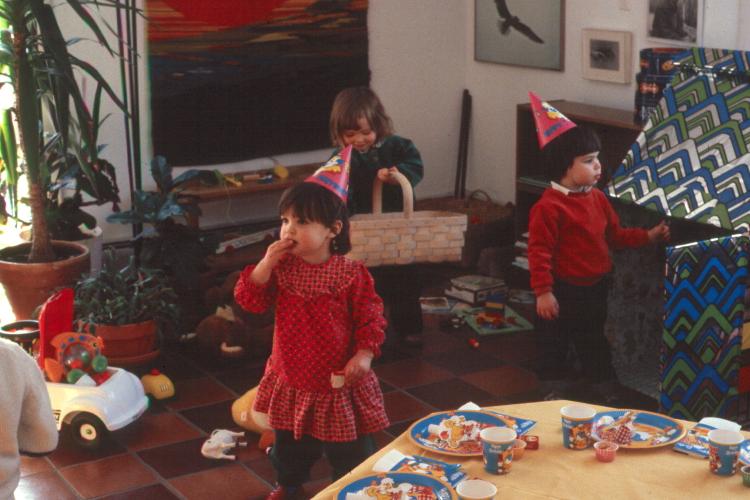 |
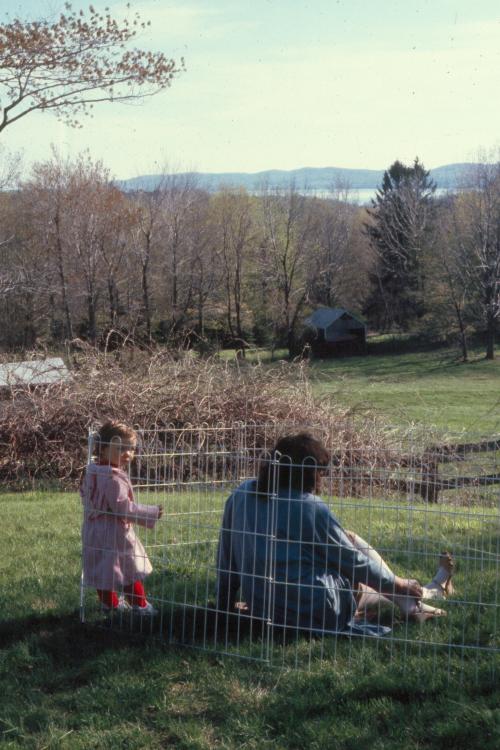
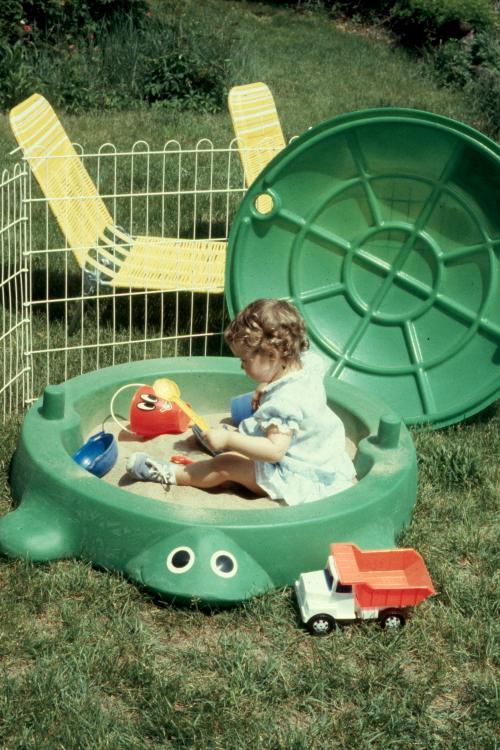
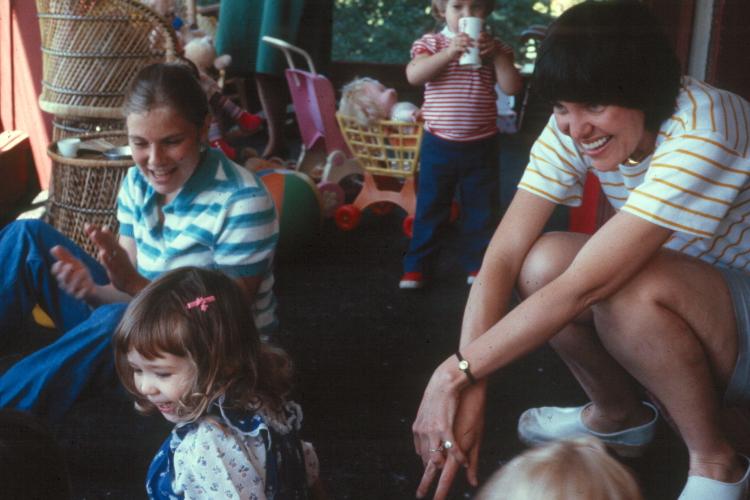
Except for the wintry weather, we had comfortable routines in Ossining. There were restaurants, groceries, and other shopping in Croton on Hudson, Mount Kisco, White Plains, ... as well as in Ossining. Sometimes Caroline and I would go into The City without Liz and enlist either Laurel or Myra Aaaronson to babysit Liz. (I met Myra through Clearwater functions. When Caroline and I moved to Austin in 1977, Myra became the tenant of the garage apartment and continued in the apartment when we purchased the property.) We and other parents from the Lamaze classes formed a play group schedule, rotating hosting sessions multiple times a week. Lucy, Mom, Dad, Hugh, Big Mom and Big Dad would come visit so that they could get to know Liz. We would travel to Columbia to see Mom and Dad and to Bartlett, Texas to see Big Mom and Big Dad.
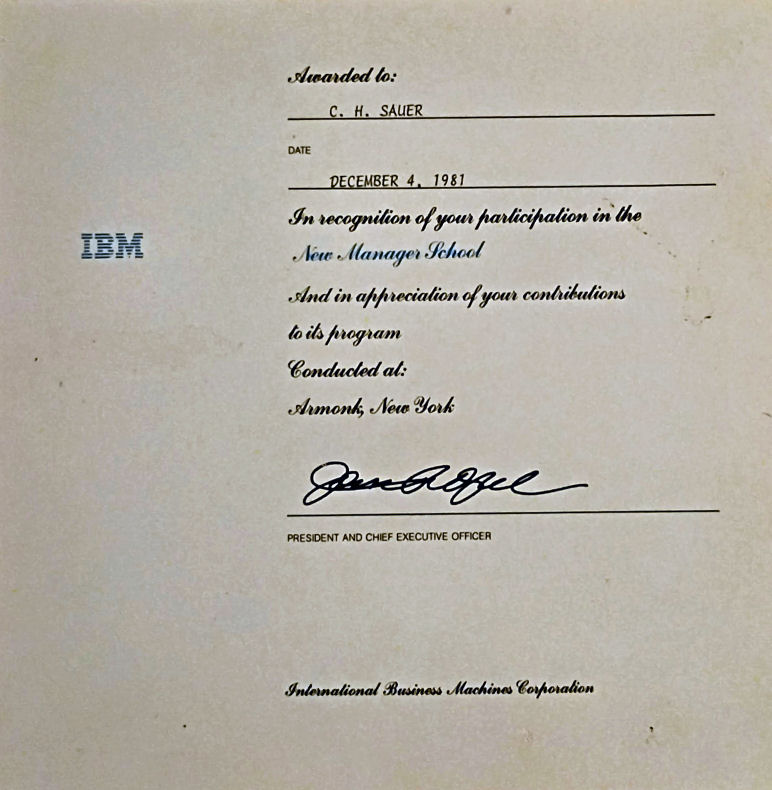
Steve Lavenberg had been managing the performace group. When Steve took sabbatical leave to spend a year at UCLA, he asked me to be the interim manager. I accepted, and began to learn IBM's practices of people management. New managers were required to spend a week of training at headquarters in Armonk. Since most of the people were from distant locations, it was expected that they would stay at corporate housing in Armonk. Rather than staying there, I commuted from Ossining.
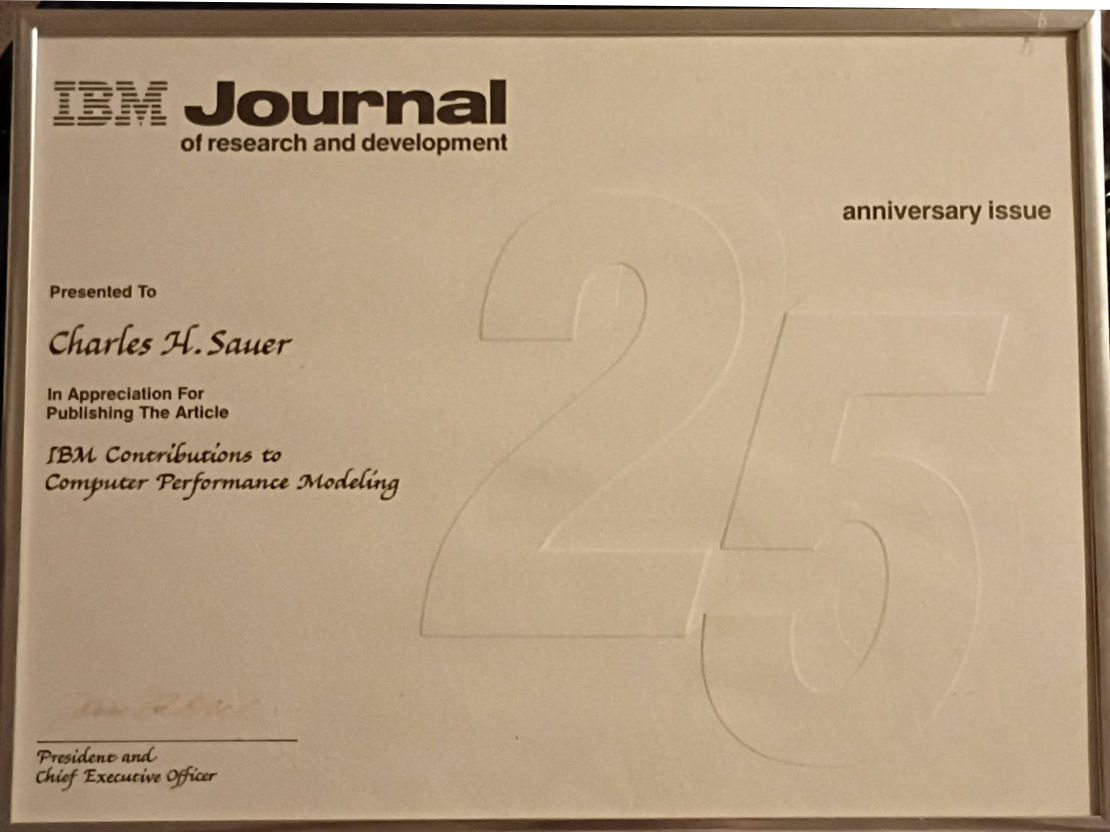
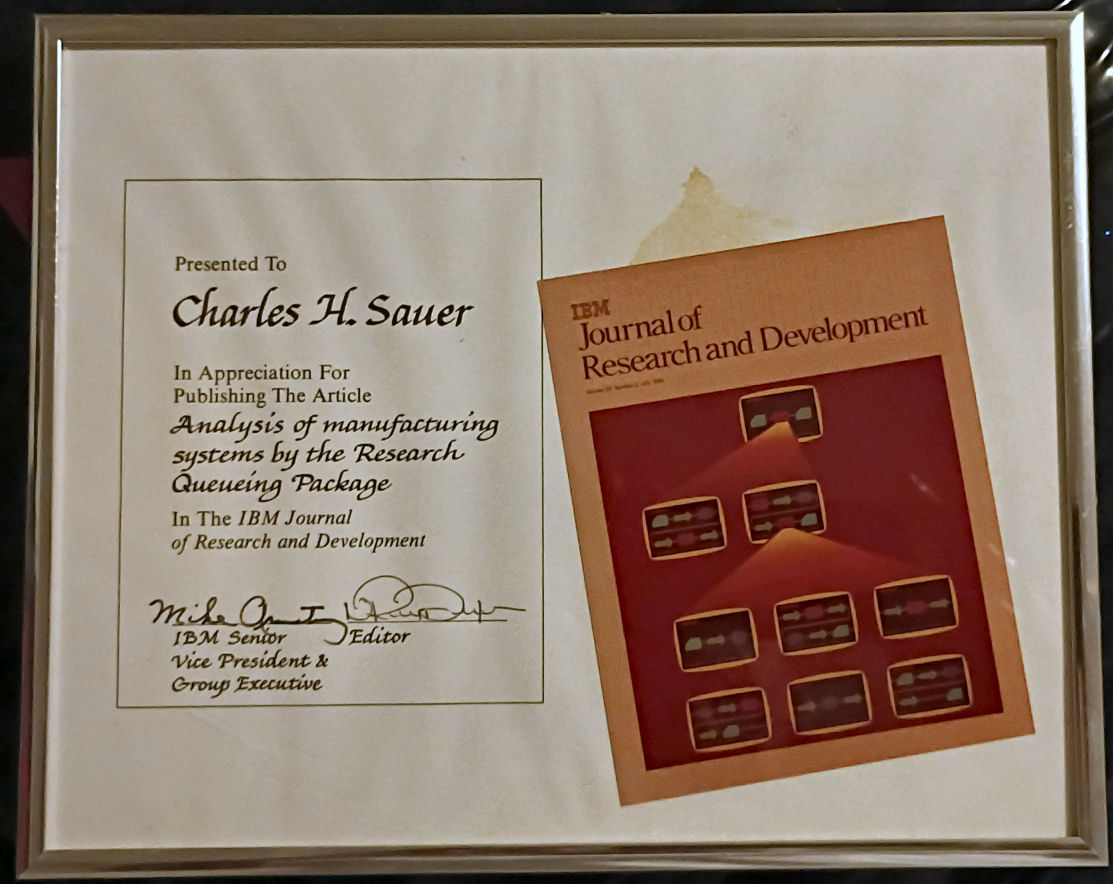
I continued to work on compuational methods for queueing network models and publish papers based on that work[7,8]. With RESQ and the publications, I had established prominence in the performance modeling communities, inside and outside of IBM. When the IBM Journal of Research and Development was planning a special 25th anniverary edition, Yon Bard of IBM Cambridge Scientific Center and I were asked to write the paper summarizing IBM contributions to computer performance modeling[9].
I was still interested in Unix, but IBM was very leary of involvement with Unix. Don Rozenberg had managed to purchase a PDP-11 to put in a laboratory in Yorktown, but he was not allowed to grant access to others. Herb Schwetman, one of Jim Browne's students before my graduate studies, was then on the faculty at Purdue and working with Unix. Herb came to Yorktown to present his work. Sitting at lunch with Herb that day, some Yorktown colleagues engaged us and tried to persuade Herb that the Yorkown enhancements to VM/370 were at least as important as Unix pipes. (Herb is now our neighbor in Austin, two doors down. He and I often chat, but rarely discuss technical topics.)
I had impressed Yorktown management, including Ralph Gomory, with my technical accomplishments and my ability to collaborate with notoriously difficult people. I was asked to step aside from what I was doing and become Ralph's technical assistant, a one-year assignment working closely with him. That position would have been quite an honor and also a likely stepping stone toward a much more prominent position after the assignment was over. However, I knew that assignment would involve substantial travel. I did not want to be away from Caroline and Liz any more than my current position required. Also, though RESQ could thrive without me, I wanted to stick with RESQ, at least until the planned availability of RESQ2 in 1982. Declining that position, saying "no" to influential people I admired, prepared me to say "no" in the future, when I thought appropriate.
Though I probably found time for other work, and continued managing the group, the first quarter of 1982 focused on finalizing RESQ2, supporting users of both RESQ1 and RESQ2, and prodigious writing about RESQ2, including: an extensive collection of examples[10], user manuals for both VM/370 and MVS/TSO environments[11,12], a paper for the National Computer Conference in Houston in June[1], and initial drafts of two books[14,15].
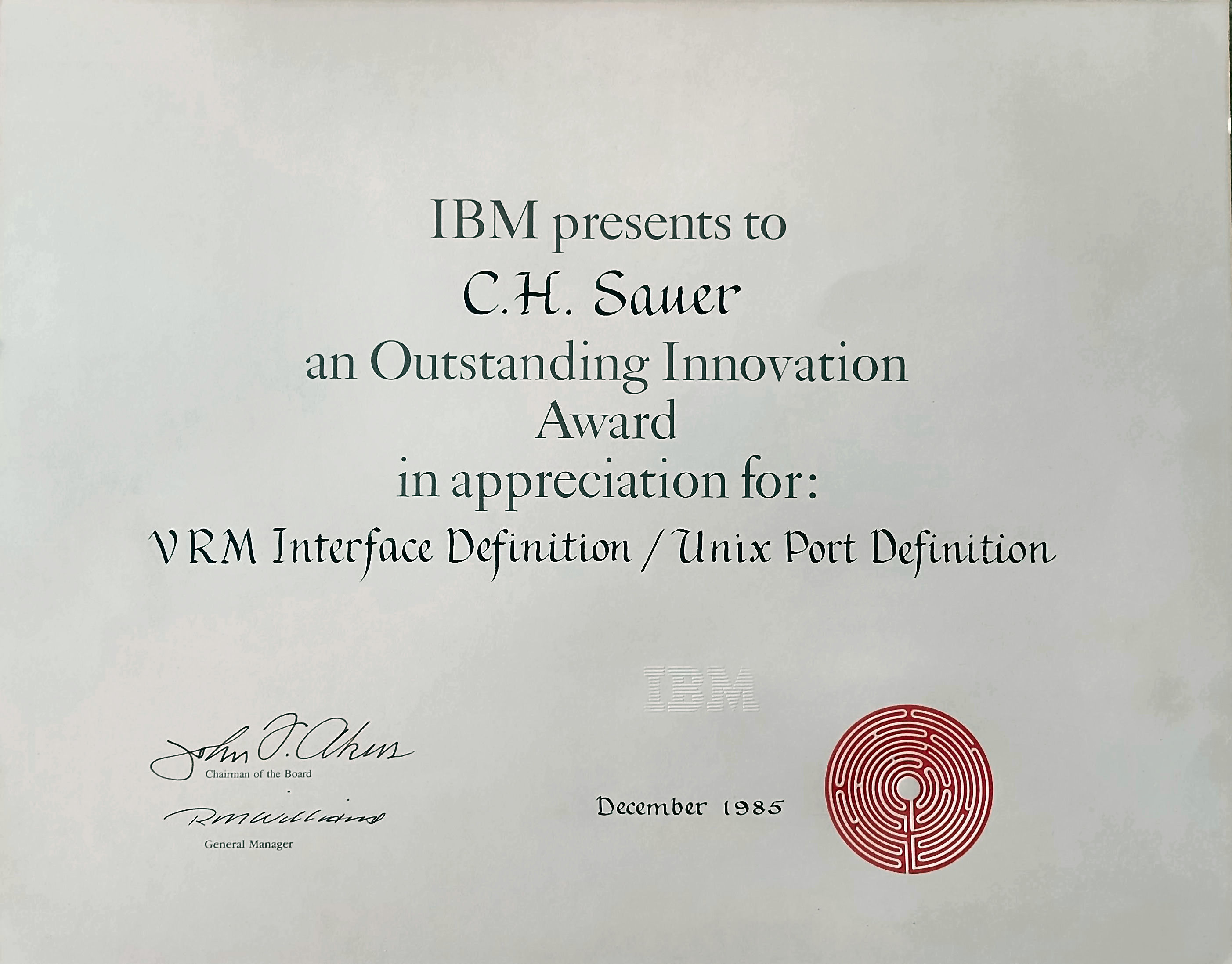
I recieved a supplemental "Outstanding Innovation Award" for RESQ, including another celebratory luncheon with Ralph Gomory.
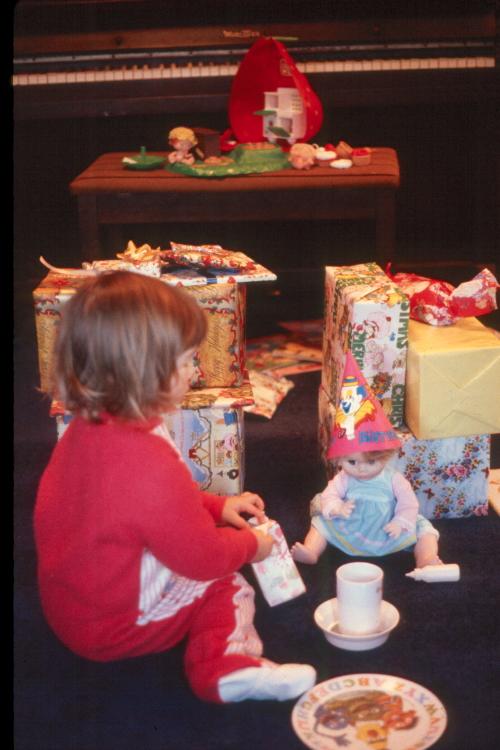
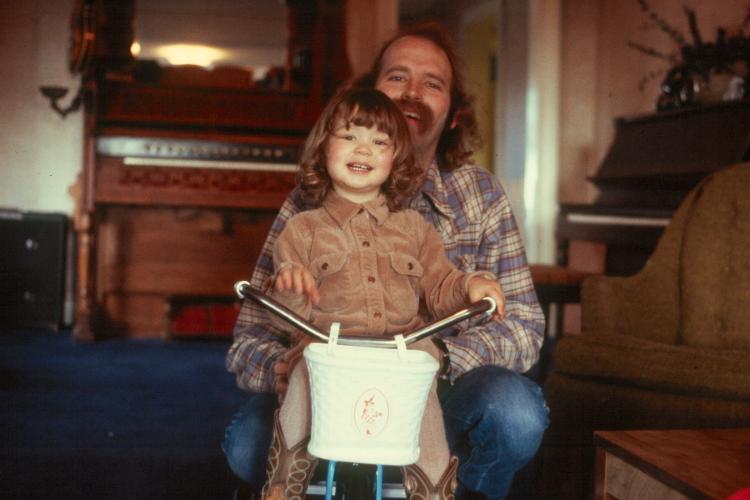
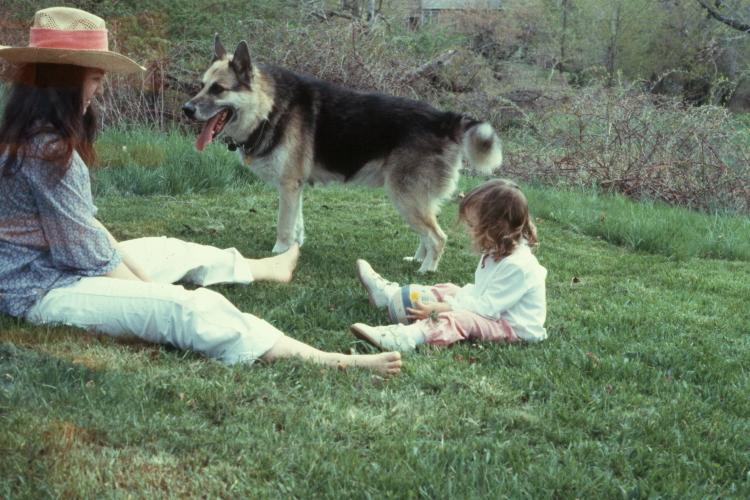
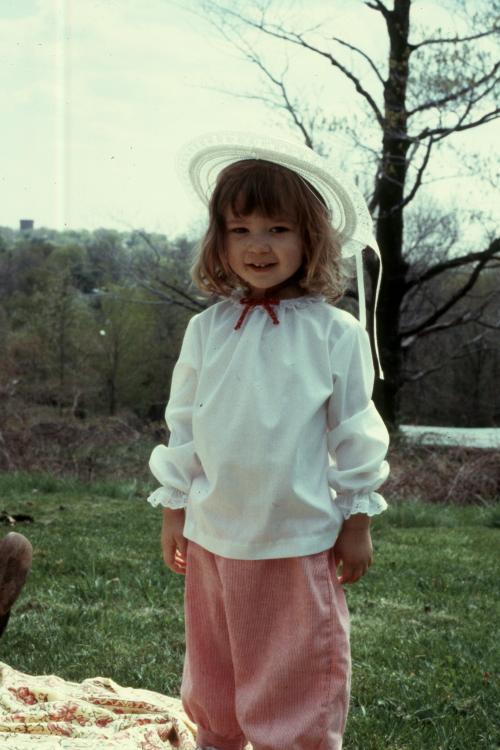
Our life with Liz continued to be happy. We continued to include her in cultural opportunities way beyond her young age. When she was just 6 months old, we tried to take her with us to see The Empire Strikes Back at the Americana theater in Austin. That was a mistake — we left early in the showing. Now that she was two, we thought we should take her with us to see Bill Monroe and the Blue Grass Boys in the auditorium of Mount Kisco High School. That mostly worked out ok, with one notable exception. At one point, Bill played a somber mandolin instrumental, just him, with the Blue Grass Boys silent. About half-way through the piece, Liz yelled out "want go bye-bye car," her voice piercing the auditorium about as loudly as the mandolin. Bill laughed.
 |
 |
 |
 |
 |
 |
However, it was becoming harder and harder to imagine Liz growing up in such an isolated environment. Peter Falk and others had grown up in the village of Ossining and done all right, but we were outside the village and times had changed. We started thinking I should try to transfer to an IBM development location where I might continue interesting work in an environment more like Austin. Research Triangle Park in North Carolina seemed a candidate, in the midst of the Chapel Hill, Durham, and Raleigh communities.
There was also the question of what did I want to work on? RESQ2 was clearly a success, so much so that it would soon be relaased as the first product to be directly released by IBM Research[13]. There was still much that could be done with RESQ. Ed had already started work on graphical interfaces for RESQ. That seemed so sensible, since we used network diagrams as the essence of defining RESQ models. Ed procured us Tektronix graphics terminals that sat next to the 3270 text terminals, but those were cumbersome and expensive, not likely to be appropriate for most RESQ users.
I remembered the Commodoore PET I had seen in 1977. I had seen a PERQ somewhere, probably at a conference. The IBM Personal Computer had been announced the previous August, but those machines seemed primitive from a graphics perspective. (In any case, PC's were difficult to obtain inside IBM.)
John Shedletsky had been exploring the engineering workstations that were being introduced by Apollo, Sun Microsystems, et al. He suggested I try to join the software group managed by Fred May as part of an "ad tech" organization led by Glenn Henry in Austin. Fred visited John in Yorktown and the three of us had productive conversations. I went to Austin to interview with Fred and Glenn in April. I also interviewed with a performance evaluation group in Austin. That group didn't encourage me, but Fred and Glenn did. In early May, Caroline and I went to the annual Corporate Technical Recognitiion event at the Waldorf Astoria in recognition of my RESQ award. Glenn was there to receive a special corporate award recognizing his work at IBM Rochester (MN) leading the development of the IBM System/38.
It seems that the Hawkes driveway up to the house was 200 yards long. That is probably an exaggeration, but the driveway was crooked, long, narrow and steep. Without clearing by a plowing service, it was impassable after a snow storm. In principle, winter was over by early May, but that month there was a late storm. I stubbornly tried to drive up the hill before the plowing service got to us. The Dasher slid into the fence about half way up the driveway. Neither was seriously damaged, but I was embarassed and exasperated. I've often claimed that experience was the "final straw" that made us decide to move back to Austin so that I could accept Fred's offer.
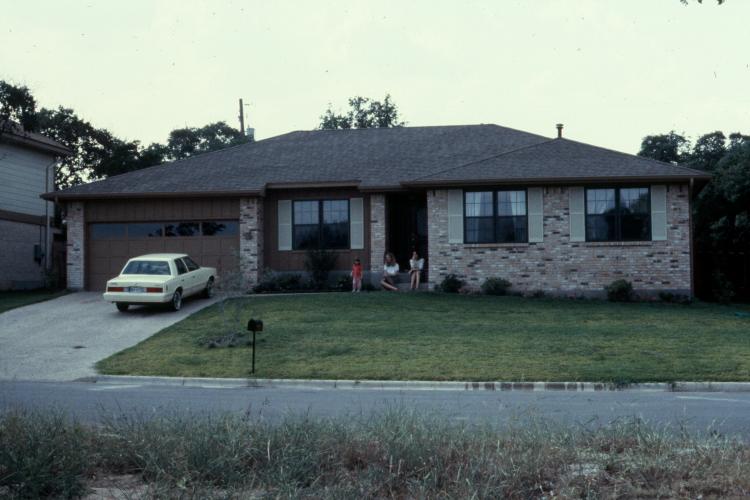
Unlike our prior moves to Austin and back to Ossining, this was handled by IBM as a transfer between locations, with the associated benefits and facilitation. Since interest rates were very high, and the real estate market suffering, we found a model home at 3503 Crowncrest Drive that had been on the market for six months. The realtor who had sold Norris for us tried to interest in a number of older houses in Northwest Hills, but Caroline and I both preferred the CrownCrest house.
There were two glitches in overall process:
My start date at IBM Austin was July 2, 1982. Fred's groups and Glenn had offices in the same building on Longhorn Blvd where I had worked in summer 1978, a couple of miles from the main IBM Austin campus. I think Glenn was the only one of us that had an IBM PC. I had a Displaywriter with the standard word processing software, a 3270 emulation card, and MS-DOS. The 3270 emulation was very nice, probably the nicest "3270" I ever used.
[May 2026: Glenn has started writing a memoir, Computers I Have Known[16]. Recently, he completed the "IBM Rochester 1971–1974" chapter. Presumably, there will be at least one more chapter about his time in Rochester working on the System/38, before discussing IBM Austin. When I see the IBM Austin chapter, I assume it will be appropriate to update the discussion here. May 20, 2026: Glenn just posted this snippet of 1980-1982 history. June 2, 2026: Glenn posted Background of Centaur Technology Part 1: 1979–1993.]
[June 22, 2026: The Secret Life of Computers features the Displaywriter and revisits a 1993 video The Secret Life of the Word Processor which documents much history prior to and after Displaywriter.]
Primary development at IBM Austin focused on successors to Displaywriter and the 5520 Administrative System (a robust networked office system). If the unofficial IBM "full employment" policy had not been in effect, most of the people in Glenn's organization would likely have been pruned from IBM.
The 801 minicomputer project started about the time I joined IBM Research, but I was not involved with the 801, just generally aware of what was being done. Besides the hardware architecture and prototype, 801 depended on an aggressive optimizing compiler, a new language, PL.8, that began as an almost-compatible subset of PL/I, and a “control program,” CP.R.
The ROMP/PL.8 project was initiated by the IBM Office Products Division (OPD) in 1977 in Austin, starting with the 801 architecture and PL.8 language and compiler. This effort became known as the Research – OPD – MicroProcessor and was given the acronym ROMP. The companion virtual memory management chip “Rosetta” implemented a “single level store” address translation architecture partitioning 32-bit addresses into 4 bits for segment identifiers, selecting a 12 bit segment register, and 28 bits for offset within the segment, yielding a 40-bit (1 terabyte) virtual address for translation. CP.R was designed to take advantage of this addressing architecture.
The ROMP and Austin PL.8 groups were included in Glenn's organization, and prototype “Advanced Function Workstation” (AFWS) hardware was developed.
Glenn wanted to have multiple options for operating environments for AFWS, so it made sense to define a virtual machine system to provide common services for those different environments. Fred and Glenn asked me to lead a team defining the virtual machine system. This was unlike anything I had done before, so I had to learn by doing. In addition to abstracting the ROMP/Rosetta architectures, we drew from experience with VM/370 and concepts that had been used in the System/38. We produced a draft architecture document defining a Virtual Machine Interface (VMI), to be implemented by a Virtual Resource Manager (VRM), and a supevisory Master Control Program (MCP) — name inspired by the MCP in Tron, then showing in theaters.
The CP.R people were naturally skeptical, thinking that CP.R was the proper approach to software for the prototype systems. The PL.8 people had worked closely with the CP.R people, so they agreed. The leader of the CP.R project came to Austin to review what we had done. He said "I'd give it a grade of C+."
Recognizing the infeasibility of the overly ambitious development efforts we had been contemplating, we scaled back the VMI and settled on starting with Unix. By the end of ’82 we had contracted with Interactive Systems Corporation (ISC) to provide System III on the VRM, enabling virtual memory not present in System III.
 |
 |
 |
 |
 |
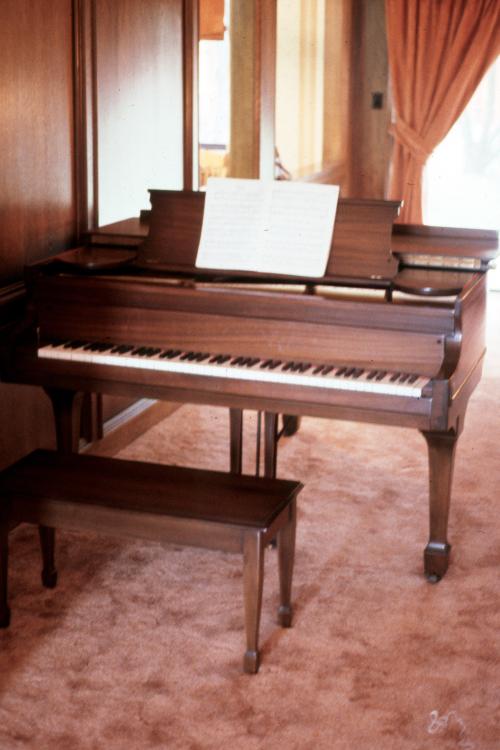 |
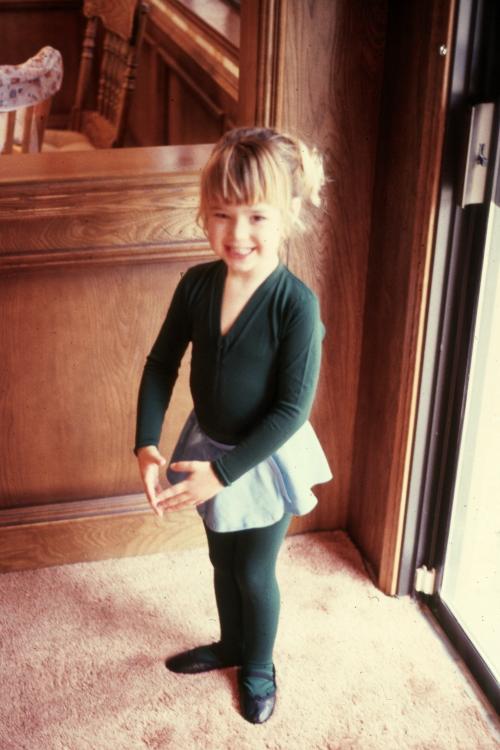
The CrownCrest home seemed "just right." Caroline made curtains and Roman shades for the windows. She created flower beds front and back. We built a nice cat cage with an entrance through a bedroom window. For our 5th anniversary, I surprised Caroline with a baby grand piano, which she named "Jazzabelle." Our families visited frequently. Caroline started taking ballet class again. Our block had been mostly vacant lots when we moved in, but as interest rates eased, new construction started. We began to get new neighbors with children roughly the same age as Liz.
For at least a few months into 1983, the AFWS project proceeded relatively anonymously, while the primary IBM Austin development groups tried to come up with plans for new products but were unable to find a viable course. It is hard to be specific about dates and details because so little of the IBM internal documenation was preserved. A site-wide reorganization took place, probably in late March or early April, and the AFWS project was redefined to be a primary site effort. What had started as a relatively speculative project became a formally planned product, with ambitious plans for inclusion of traditional IBM technologies, e.g., System Network Architecture, and formal IBM review and “system assurance” infrastructure. The development organization grew in size by an order of magnitude. Clay Cipione became primary manager of software development, and Larry Loucks became the chief system architect, both reporting to Glenn.
The ISC agreement was enlarged in scope, with System V instead of System III. More ISC people became involved. AT&T licensing was updated to include IBM licensing source code, vs. depending on ISC to build the Unix components from source and provide object code to IBM. Clay was insistent that IBM Austin become self-sufficient in regards to managing and devloping all the source code, as quickly as possible, knowing that would take many months, if not years. Larry insisted that ISC kick start our understanding of Unix internals. In June, several ISC people came to Austin to give a course on Unix internals to about half a dozen of us. Besides teaching us internals, that week also included brainstorming enhancements not present in the AT&T code, e.g., shared libraries so that program executables not include redundant copies of system library functions.
However, most of IBM was not excited about this. The traditional product organizations, e.g., those associated with the 370 and the System 3x, saw little need for Unix or a new hardware architecture. The renegade but surprisingly successful PC organizations looked askance for their own reasons. Even the Yorktown partners were partly detrimental because of disdain for Unix. At some point, IBM CEO John Akers addressed a group of Austin managers and leaders, telling us that he questioned whether IBM should have any processor architectures besides 370 and Intel.
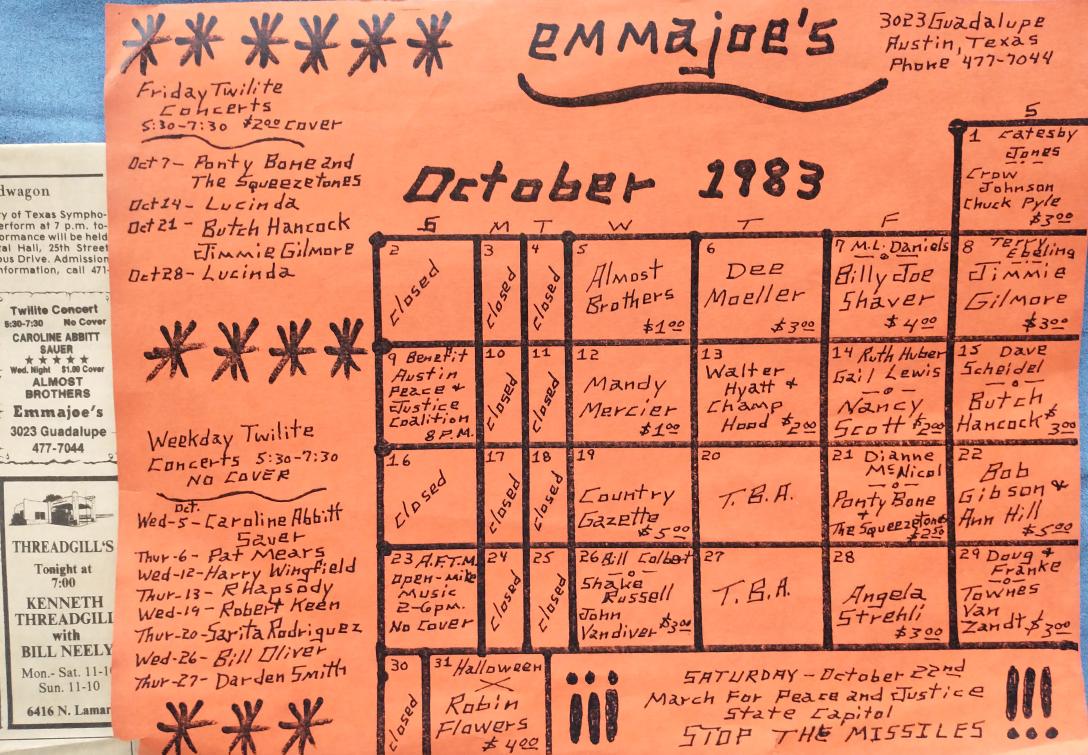
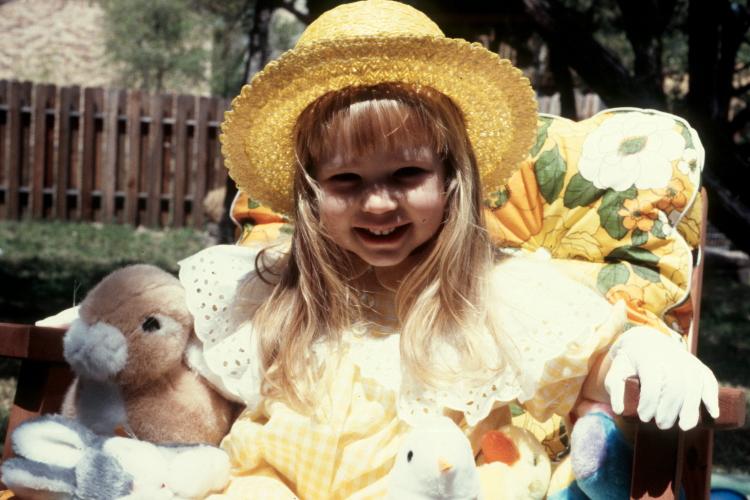
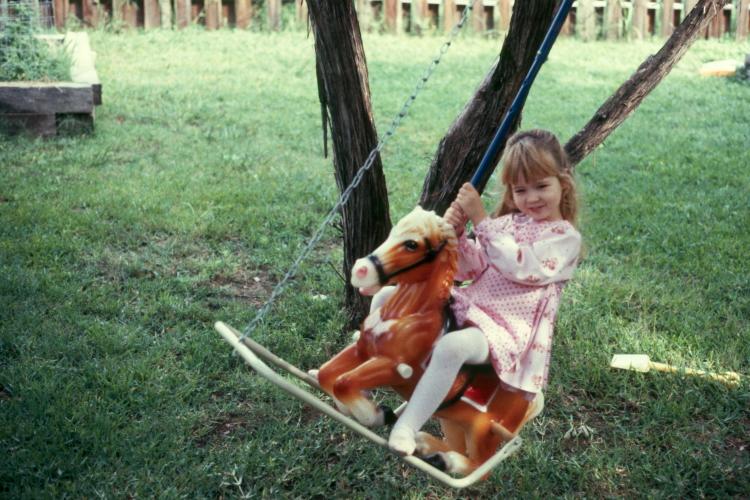
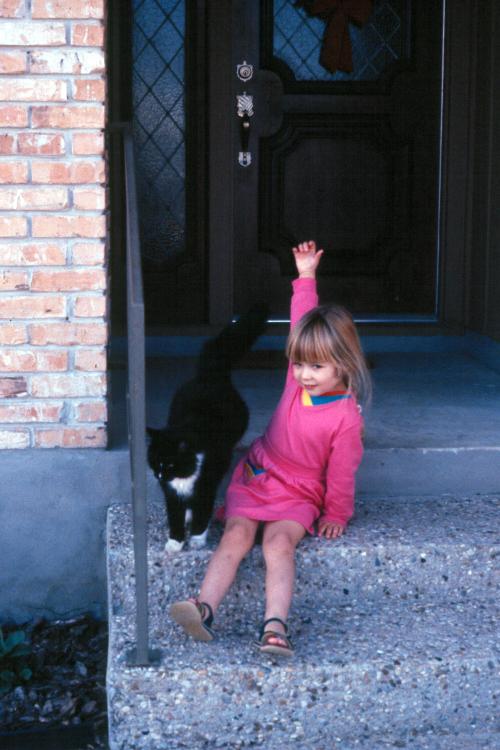
We enrolled Liz in a couple of part-time pre-schools at St. Matthews Episcopal Church and Covenant Presbyterian Church, probably 10 hours a week total. Caroline, Jerry, and I started playing together in our living room, first with BobTom on guitar but then primarily Tony Airoldi. We worked on recordings of the songs she was writing and played occasional gigs. Liz would often sleep on the living room floor while we played.
 |
 |
 |
 |
 |
 |
 |
Reorganizations and product redefinitions caused course changes from emphasis on a technical workstation, to office focus, to multi-user alternatives to the System/3x, to an enhanced PC, etc. The collection of these definitions led to inclusion of a kitchen sink of software features, and hardware options. Implicit or explicit in many of the reorganizations was executive desire to terminate the project. The original hopes for a 1984 product release would eventually turn into the RT/PC and AIX 1.0 release in 1986, with many of the intended features and options not ready for release at that time.
Some anecdotal memories:
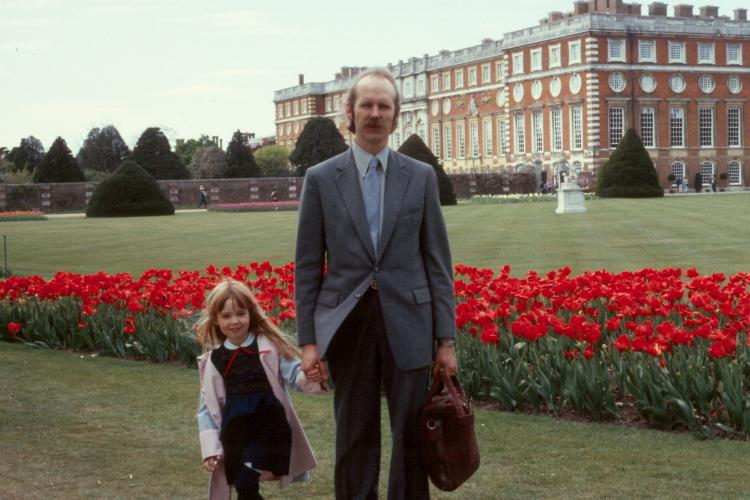
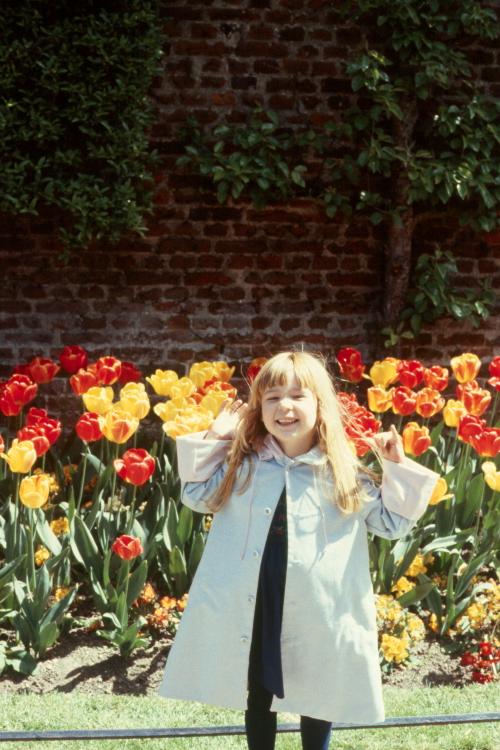
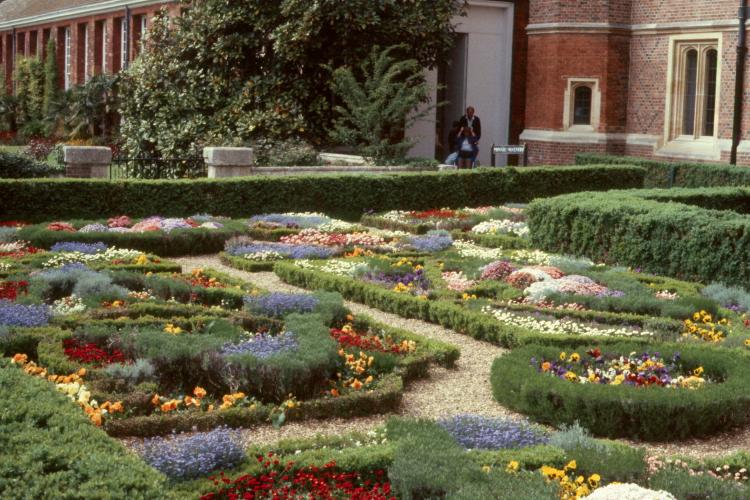
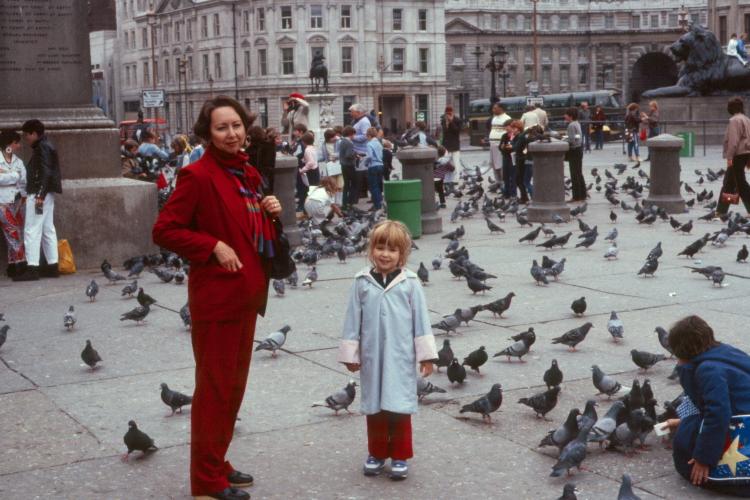
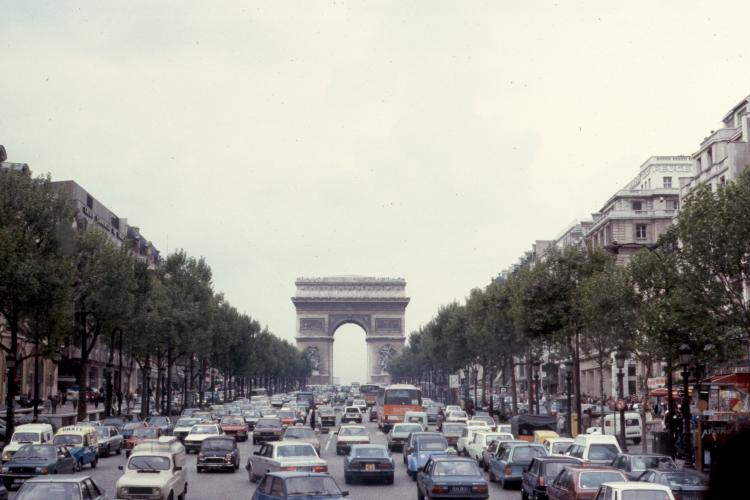
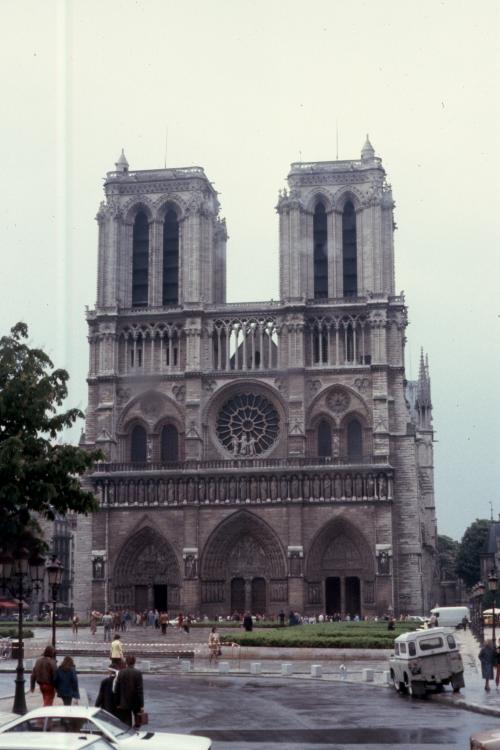
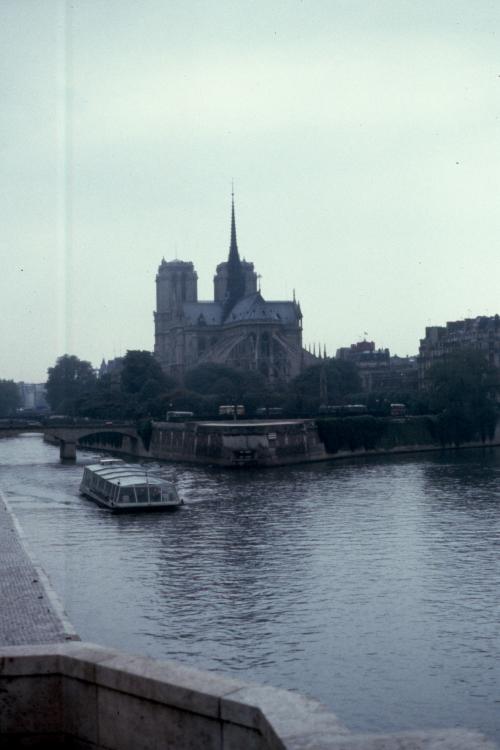
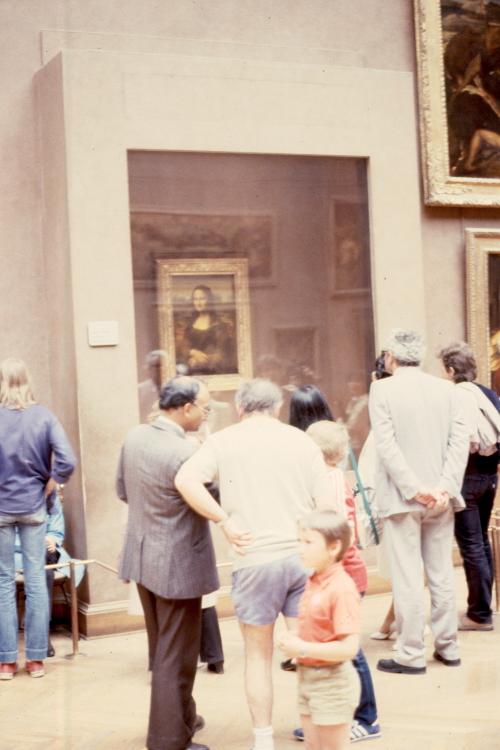
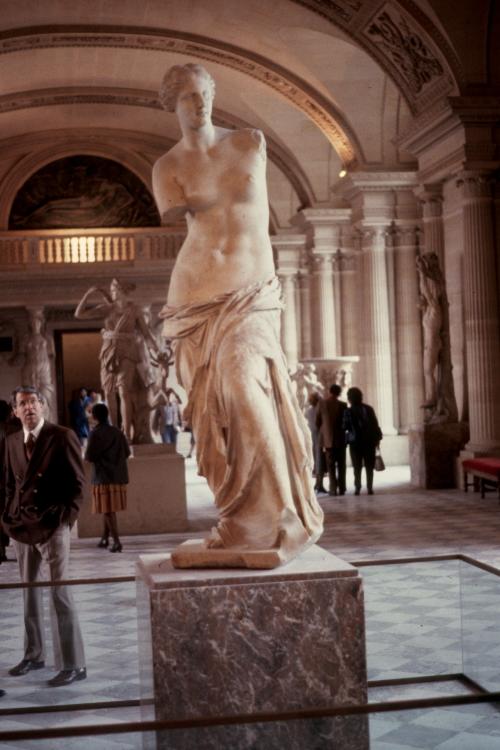
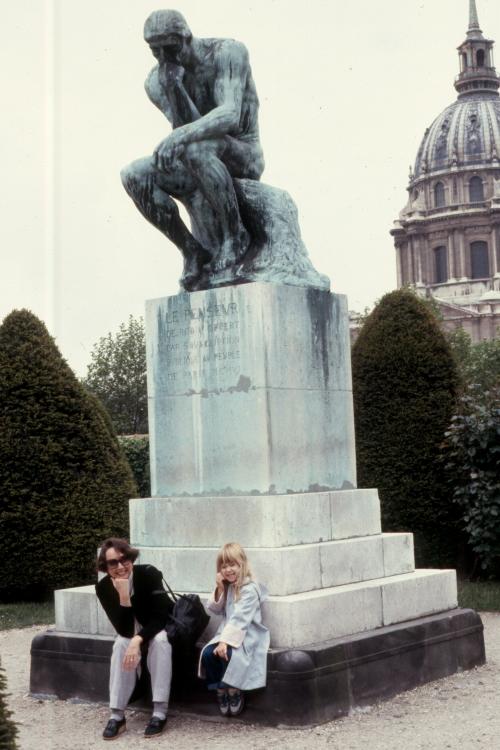
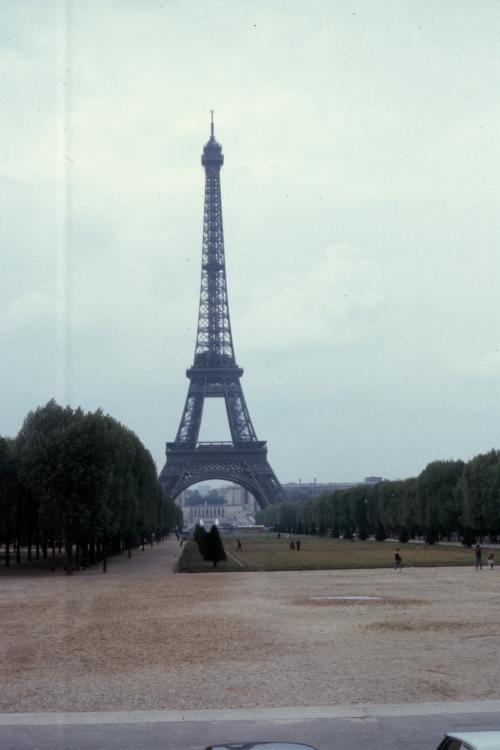
I had been invited to give a keynote address on RESQ at an International Conference on Modelling Techniques and Tools for Performance Analysis in Paris in May[2]. Caroline's parents had been to London the previous year and gave her lots of ideas of what we could do there. She planned what we do there and the sights we would want to see in Paris. The conference was paying my expenses, so there would be no cost to Glenn's organization except for the time away from working on our products. Glenn made it clear that he wished I wasn't going but ultimately did not object. We had a delightful time sightseeing in London and Paris. Caroline, Liz, Ed and I had very pleasant meals at outdoor cafés. There was a conference reception in the Eiffel Tower.
 |
 |
 |
 |
 |
 |
 |
 |
 |
 |
 |
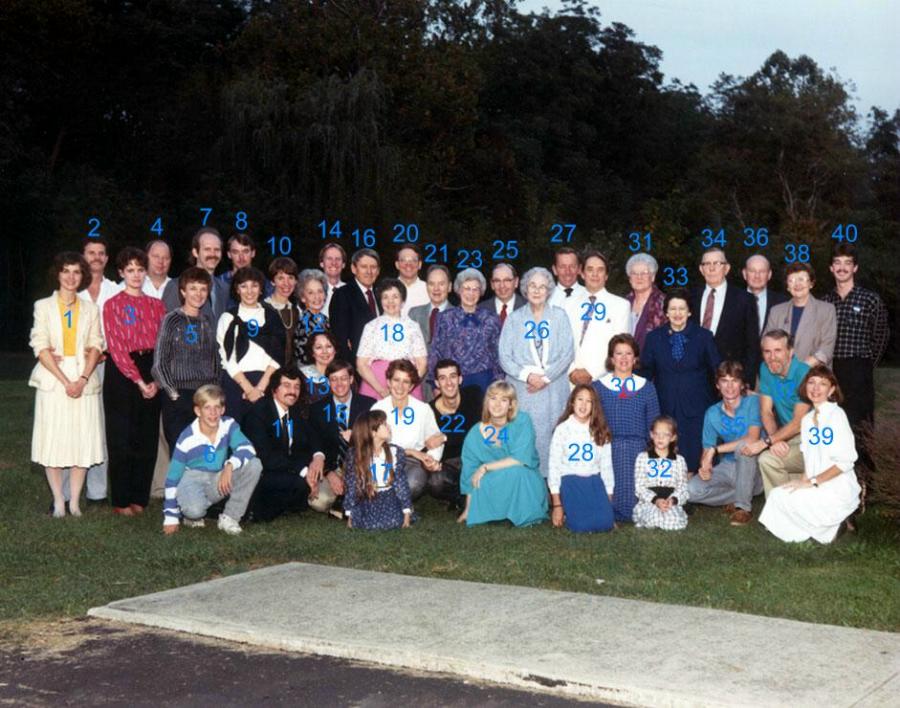
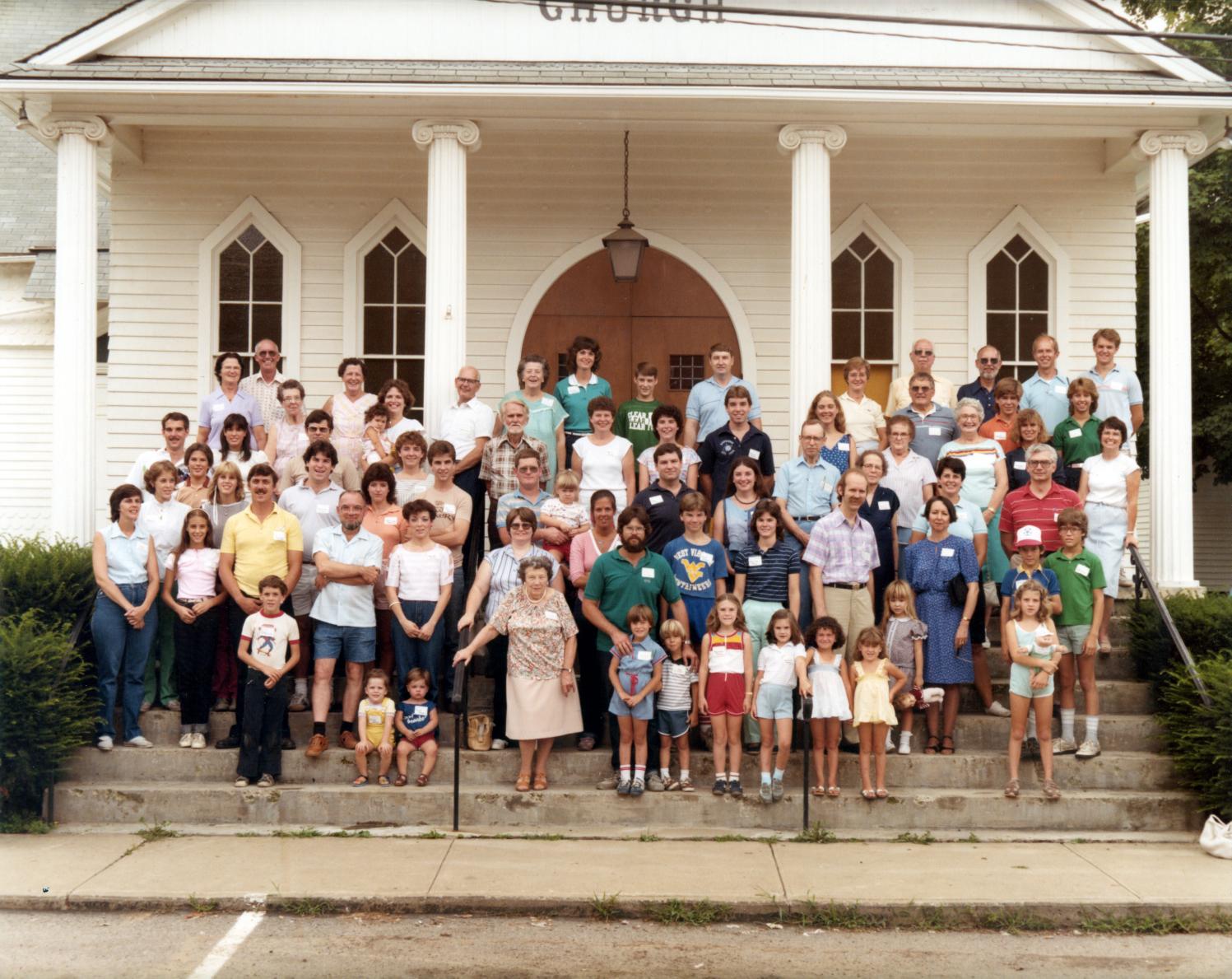
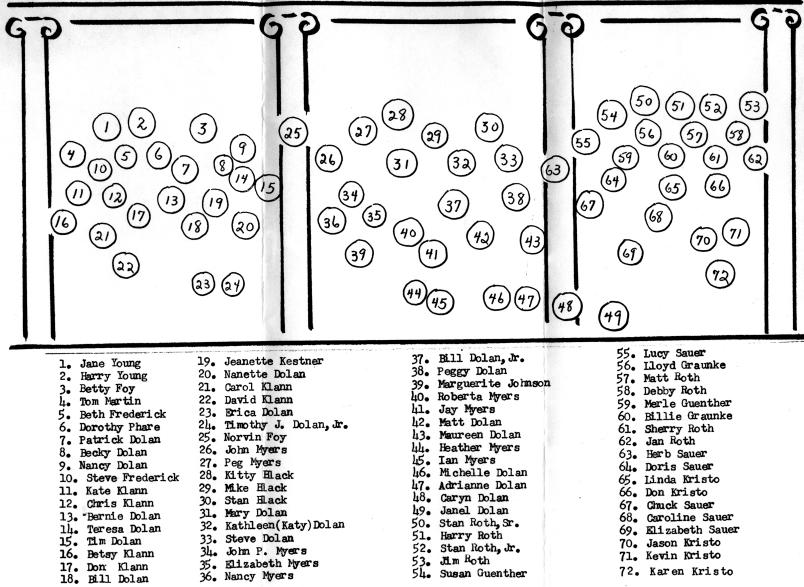
1984 was also a year for family reunions: an Abbitt reunion in Appommatox and a Johnson reunion in Butler, Ohio.
 |
 |
 |
Soon after we returned from London and Paris, Caroline played me a cassette she had made of her new song, If Only Midnight Wouldn't Come, saying she wanted to work on a more elaborate production of the song. The basic tracks started with voice and piano. We added bass, rhythm guitar, mandolin, double tracked melody voice plus two harmony voices, one of our best recordings. We just had one four track tape machine, plus a two track machine, so bounced tracks on 1/4" tape. In 2025, I re-digitized the nominal master 4 track tape, eliminating one tape generation compared to what we did before, when we mixed to stereo tape. The 2025 mix sounds even better than the prior one, but we intend to take it further.
We continued to make multi-track demos of new songs as Caroline wrote them, usually with Jerry and Tony helping us. We would play occasional gigs as a quartet, under Caroline's stage name, Kay Buena. For the annual Austin songwriters' competition, we played "If Only Midnight" and a couple of other songs. The semi-finals were at the final Soap Creek Saloon location at South Congress and Academy Drive. That was one of Caroline's best public performances of all time. The judges, including Jimmie, were in awe, based on his written comments. The finals were the next night, outdoors at Symphony Square. Caroline hadn't slept. Tony was unavailable, so we played as a trio with Jerry. Steve Fromholz was the MC and was distracting as he realized the pun while introducing Caroline: "aye, qué buena." Strong winds blew across the stage. Her performance did not compare to the previous day, and Caroline came in third. After that, we scaled back our musical activities for a year or more.
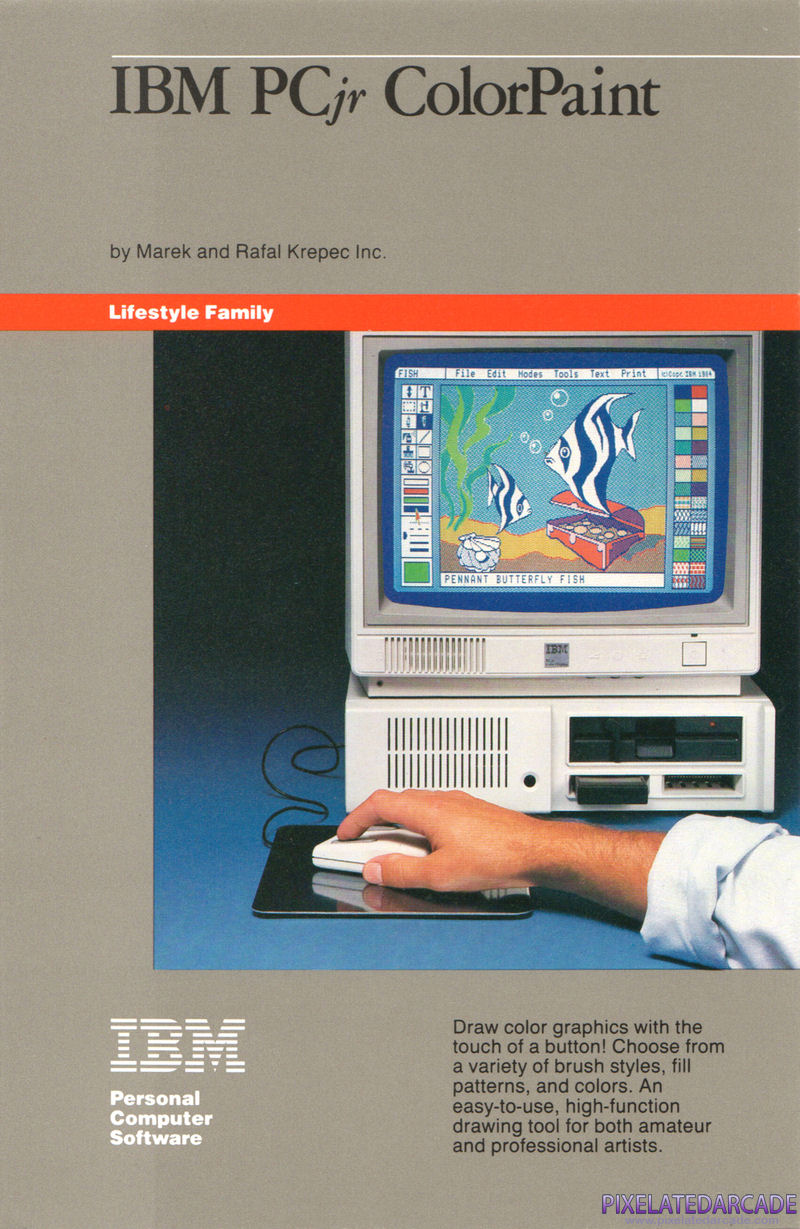
Most of my office work was on a PC/XT running the ISC PC/IX version of Unix System III. Outside of the possibility of replicating that environment at home, there wasn't a home computing system that made sense. When the IBM PCjr became available at employee discounted price, we got one for Liz. I think she mostly used it to make drawings with ColorPaint. Caroline and I also used it for limited word processing and spreadsheets.
 |
 |
 |
 |
 |
 |
I think much of the development organization knew the product announcement would be January 21st, but the product name (RT/PC) and software name (AIX) were not known to me, only a few with need to know, a need I did not have. (Afterwards I found out that the names had been leaked a little. Doug did have need to know because of the code he worked on, and was questioned about the leaks.) The morning of the announcement, I went to the office first, then to a convenience store to get copies of the American-Statesman and Wall Street Journal to read their reporting. More specifics are in Announcement Letter Number 186-006. BitSavers has a substantial collection of RT documents.
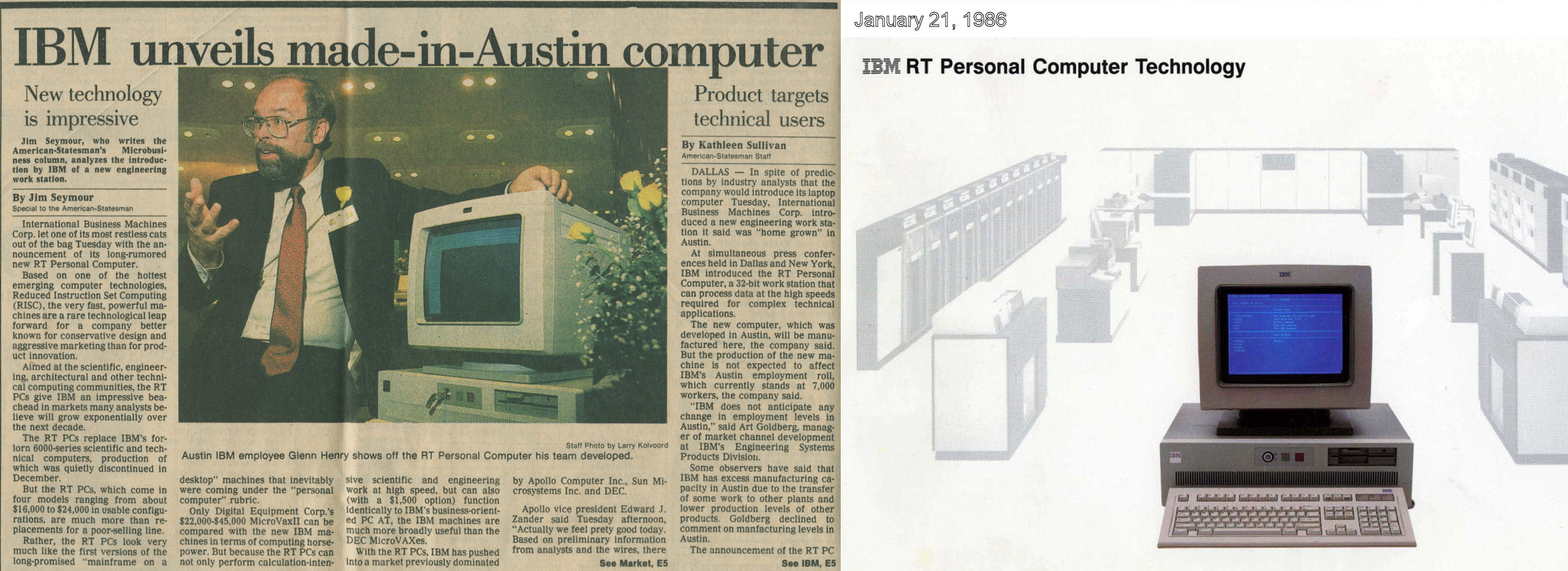
Glenn had a practice of publishing a book of papers about the technology of new products, e.g., IBM System/38 Technical Developments. Glenn enlisted Frank Waters to serve as editor of IBM RT Personal Computer Technology.
At the time, the UniForum trade show and technical conference were the most widely attended such events dedicated to Unix. With general availabilty pending in March, the UniForum in Anaheim the first week of February 1986 was the first accessible exhibition of the products. Glenn, Larry, and I conducted an evening Q&A session to discuss the products. Afterward, one of the key development managers exclaimed "You guys are my heroes."
The RT team could claim several major accomplishments:
When reviews and competitive assessments started, it was immediately obvious that the product delays resulted in a much less competitive product than had been anticipated. If the product had shipped a year or two earlier it would have been more competitive. The dominant workstation vendors, Sun and Apollo, now had products with the Motorola 68020 processor vs. their earlier 68000 and 68010 products. The 68020 products had the companion 68881 floating point processor, whereas the RT by default used floating point emulation in ROMP. Even with the optional "Floating Point Accelerator," 68881 floating point was considerably faster. Further, the vanilla port of pcc severely limited performance — ROMP (and 801) fundamentally assumed use of a sophisticated optimizing compiler, such as the PL.8 compiler.
In addition to the inevitable organization charges when an IBM product release was completed, there was also the expected IBM Fellow perquisite for Glenn, that he would be free to spend at least a year on whatever new projects he saw fit. Glenn and about half a dozen RT people left the project (staying in the same buildings) to pursue "multimedia" — audio and video — for personal computers. Andy Heller and an influx of others from Yorktown, including John Cocke, moved to Austin. While the existing IBM Austin organization focused on AIX 2 and faster hardware, the nominally Research people from Yorktown started to help build AIX 3 and the hardware that became the RS/6000. The organization charts from October 1985 and August 1986 are indicative of the changes.
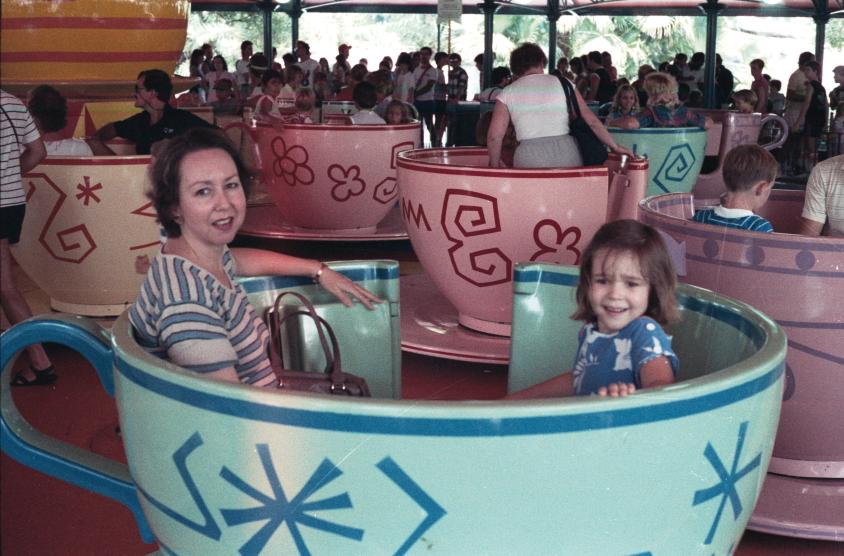
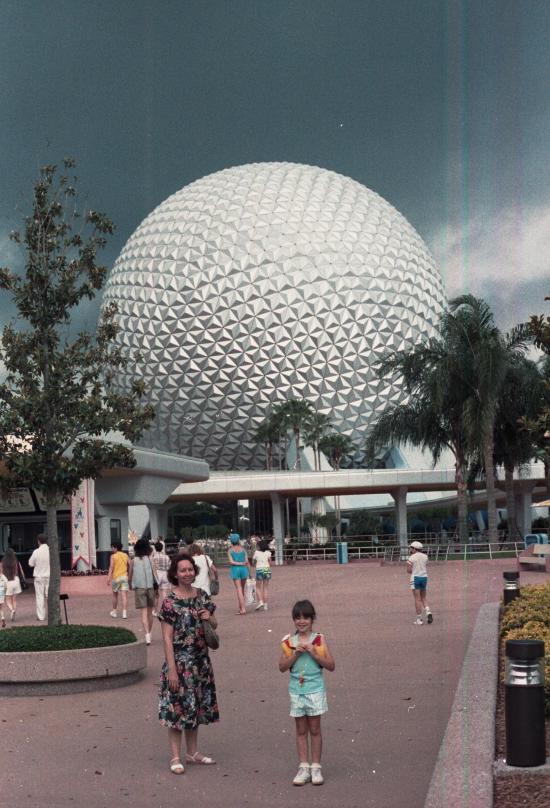
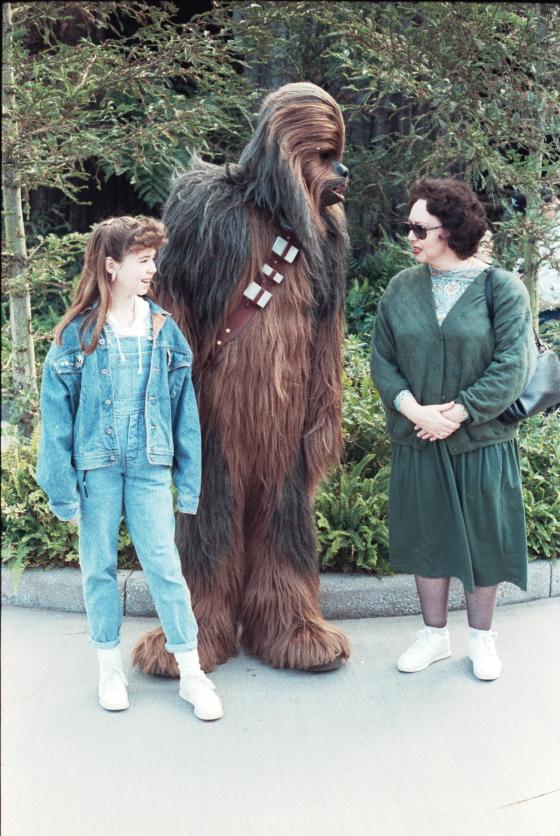
In May, Caroline and I were invited to the annual Corporate Technical Recognition Event at the historic Breakers in Palm Beach. We brought Liz with us and went to Disney World, our second visit there.
USENIX asked me to give a tutorial, AIX on the RT/PC, at the summer technical conference in Atlanta in June. Larry was given credit, but I was the only "instructor." It was a daunting experience, given that many of those present knew more about Unix than I did. Quite a few were from competitors. Steve Kleiman, then a Distinguished Engineer at Sun, sat in the front and asked particularly difficult and inciteful questions that I struggled to answer.
The strategic compiler remedy was to get the PL.8 compiler to handle C as well as PL.8, but it was clear that would be a multi-year effort. At first, cross-compiling was necessary, but eventually the PL.8 optimizing technology became a C compiler as part of the product offerings. The tactical remedy was to get HCR Corporation to add their pcc optimizer phases to the AIX pcc. I worked closely with Mike Tilson and the HCR team in Toronto to get their components into AIX 2.
It was urgent that we get a better floating point solution. The "Advanced Floating-Point Accelerator," based on a 68881 available to ROMP by DMA, was announced in September, far in advance of planned availability in second quarter 1987. RT PC Advanced FP Board quotes me describing the 68881-based accelerator in detail in a Usenet news post. (At that time, I felt responsible for frequently posting about the RT and AIX in Usenet groups.) Doug Jewett, Richard Eveland, and I persevered in doing what we could to enhance floating performance and also be compliant with the IEEE 754-1985 floating point standard. Since that standard was relatively new at the time, some of the 801 people from Yorktown wanted the processor that eventually became the RS/6000 to use the hexadecimal floating point conventions from the 370. That appealed to the notion of the 801 being the 370 successor, but lack of IEEE 754 floating point would have unacceptable in the engineering workstation market. Since the RS/6000 processor led to the PowerPC processors and the Apple products using those processors, this issue transcended those times. I have a clear memory of Phil Hester, then the architecture manager for the new machines, telling me he would be sure that "we will get floating point right," i.e., that the RS/6000 would have IEEE, not IBM legacy floating point.
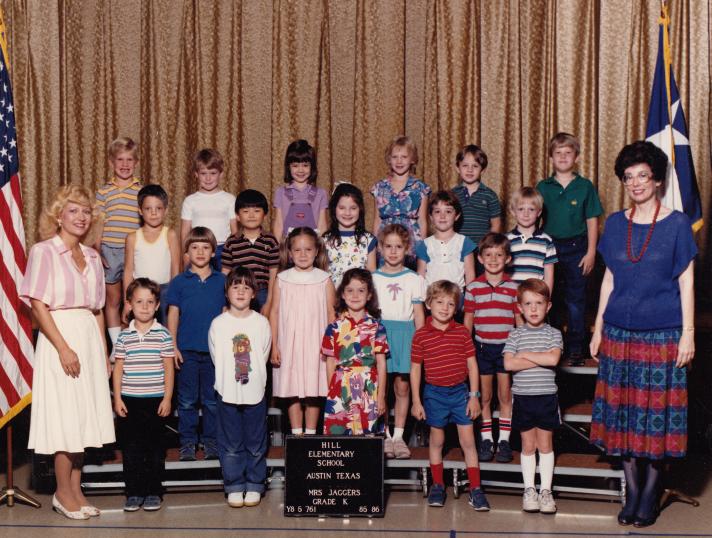
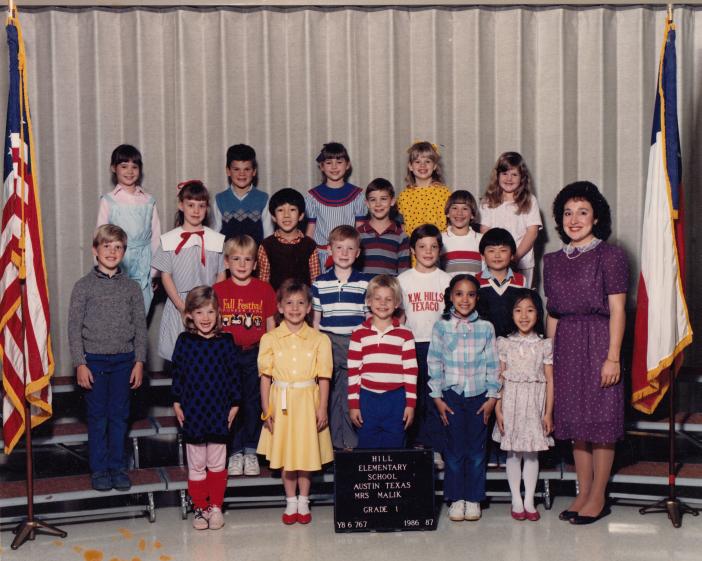
Liz started first grade at Hill Elementary.
Maury Bach, author of The Design of the UNIX Operating System, then affiilated with the IBM Scientic Center in Haifa, spent a few months advising us in Austin.
Clay tried to overcome huge bureaucratic obstacles in order to hire Doug and another contractor as regular IBM employees, and did overcome the obstacles, but when the offers were ready, Doug and other contractors had already committed to joining Tandem in Austin to create the Tandem S2 (MIPS-based) hardware and a fault-tolerant reworked version of SVR3 for that hardware[17].
Near the end of the year, I was promoted to Senior Technical Staff Member. At the time STSM was the highest technical rank in IBM, except for IBM Fellow.
 |
 |
 |
 |
 |
 |
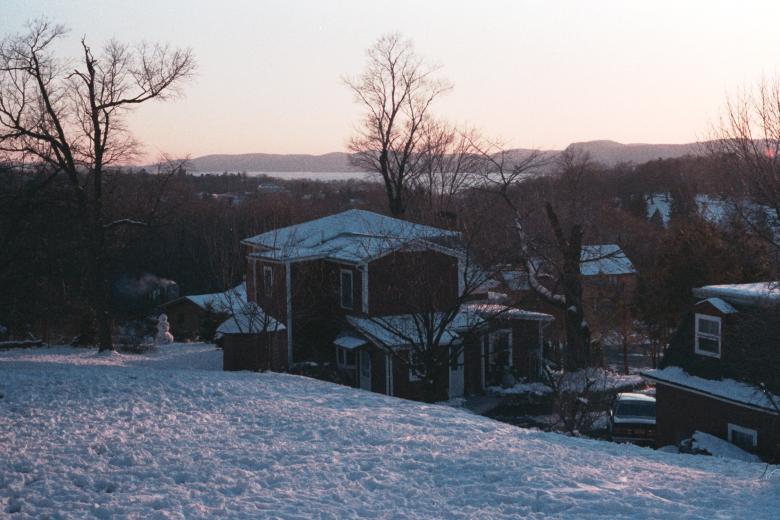
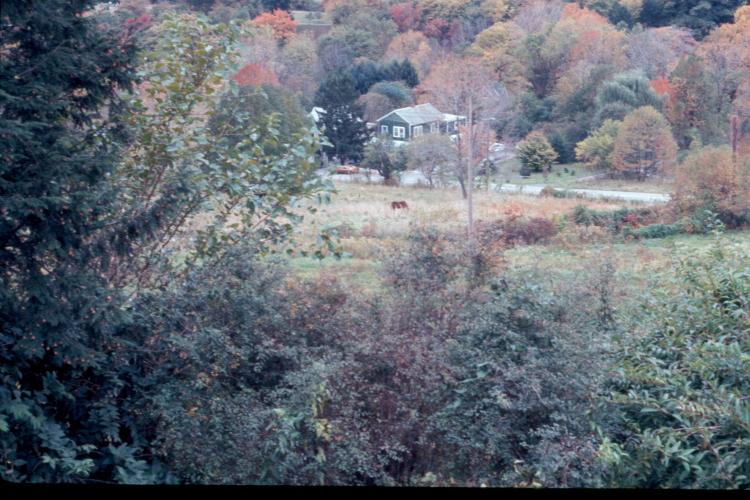
In January there was a conference for IBM technical leaders at headquarters in Armonk. Glenn, Larry, and I sat in the back and were deemed disrespectful by one of my former Yorktown managers who tried to shush us. Glenn gave a talk about what he thought IBM was doing wrong with personal computers, and what his Austin neighbor's company, PC's Limited, was doing right. At the time, Glenn lived on Valburn Circle, a few doors down from the expansive property owned by Michael Dell. I visited the Hawkes Avenue property, found "our" house and garage apartment still occupied, but also found a new street had been carved into "our" pasture to allow for a multitude of new houses where Dukey used to roam.

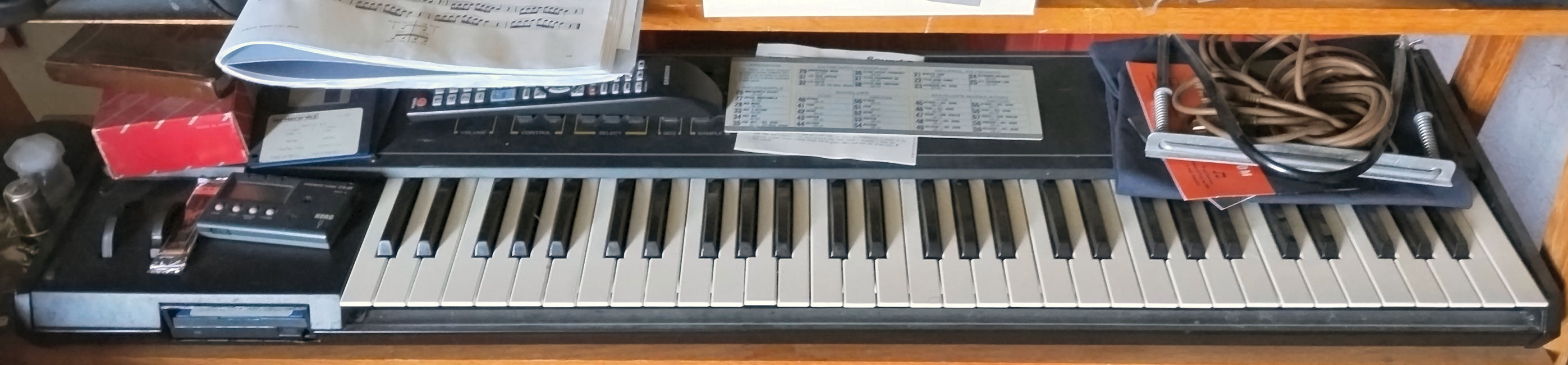
In addition to my analog recording equipment, I had been exploring using synthesizers and MIDI devices for recordings of Caroline's songs. The PCjr had "sidecars" for I/O expansion in lieu of the 8-bit ISA expansion slots in regular PC. I bought one of the pioneering Roland MPU-401 MIDI interfaces, and the Roland MIF-IPC card intended to go into an ISA slot. I cobbled together a (passive connections) sidecar for the PCjr which would accept the MIF-IPC. For MIDI devices, I had (still have) a Yamaha RX-11 Digital Rhythm Programmer ("drum machine"), a Yamaha DX21, and an Ensoniq Mirage 8-bit sampler keyboard. Jerry, Caroline and I used that hybrid analog/MIDI environment to record one of her best-received songs, Magic Words. Glenn brought his multimedia team to our house one evening so that I could demonstrate what I was doing.
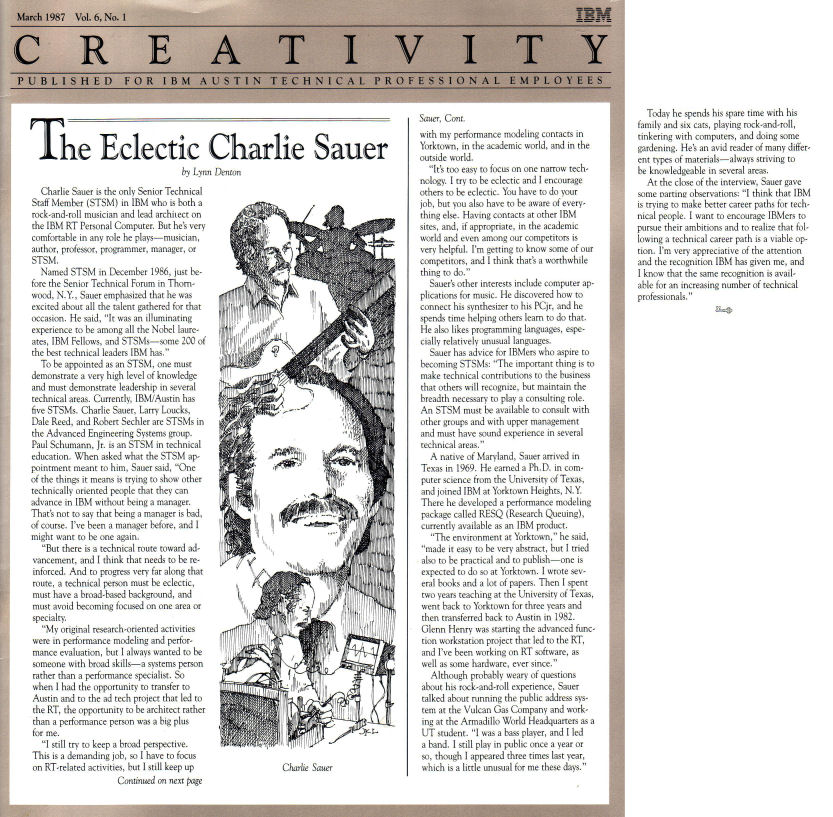
The cover story of the March issue of "Creativity" an Austin site publication "for IBM Austin Technical Professional Employees," featured me as "The Eclectic Charlie Sauer"
"Charlie Sauer is the only Senior Technical Staff Member (STSM) in IBM who is both a rock-and-roll musician and lead architect on the IBM RT Personal Computer. But he's very comfortable in any role he plays—musician, author, professor, programmer, manager, or STSM."
The cover drawing depicted me playing bass and working with a logic analyzer. Though I've been around numerous such devices, I have never used one. Later in the article it says "Sauer's other interests include computer applications for music. He discovered how to connect his synthesizer to his PCjr, and he spends time helping others leam to do that."
After the February Announcement of the new RT models, enough of the original models were available that I had finally been able to get one in my office. I also replaced the PC/IX machine with a PC/AT running Xenix. That machine, "ibmaus," was connected by UUCP to the outside world via UT-Austin. I got a Portable PC to use at home and dial-in to the office machines.
Distributed file systems were a hot topic for research and development in the 1980s[17]. Sandberg’s NFS paper says “Why, you may ask, do we need NFS when we already have Locus, Newcastle Connection, RFS, IBIS and EFS. In most cases the answer is simple: NFS is designed to handle non-homogeneous machines and operating systems, it is fast, and you can get it today. Other than the Locus system, which provides file replication and crash recovery, the other remote filesystems are very similar to each other.”
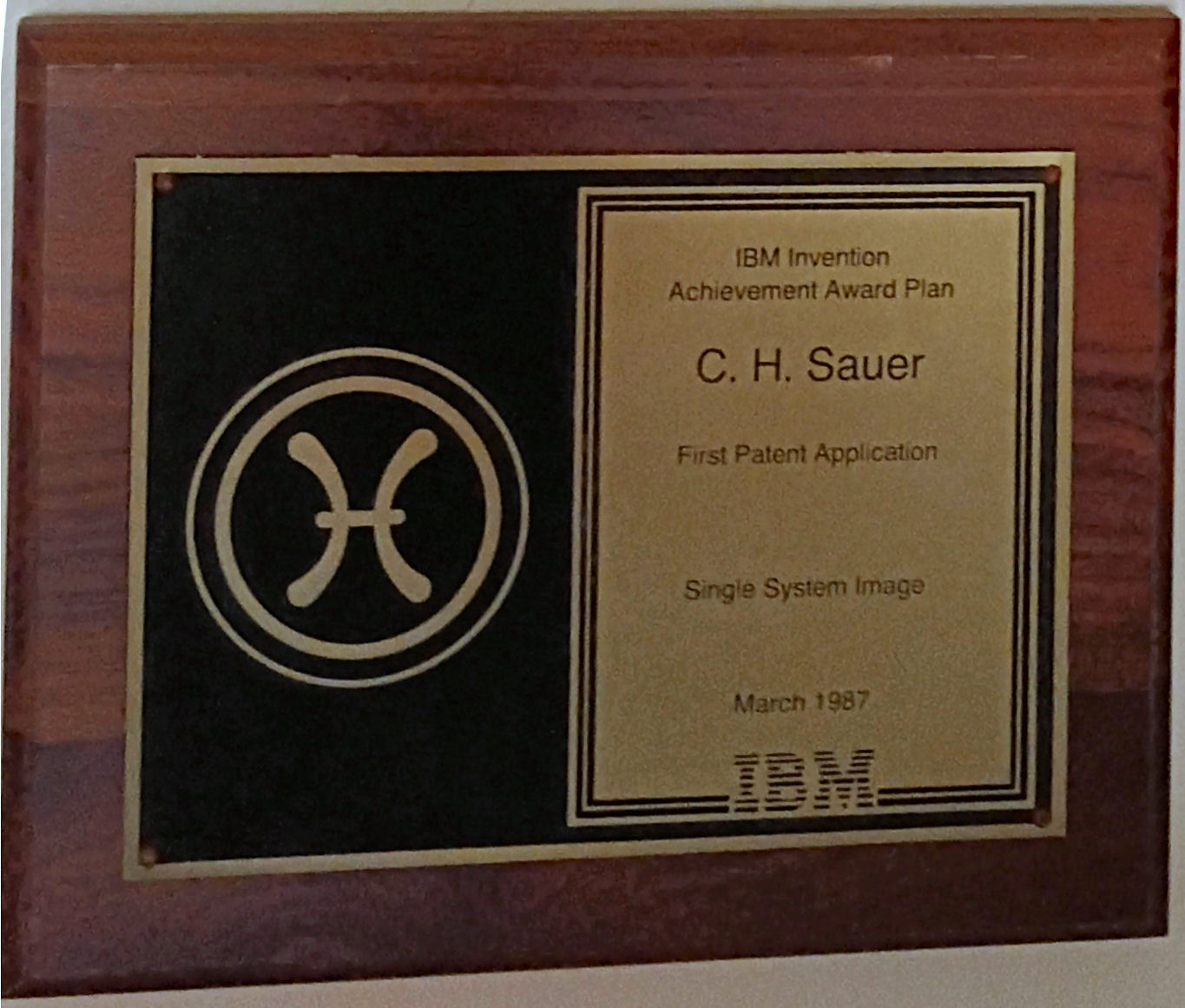
We were probably most aware of Locus, NFS and RFS, but leery of scalability of Locus and leery of NFS’ stateless semantics. We chose to provide yet another, RT/PC Distributed Services.
Locus implementation on System 370 was popular in some IBM factions, so there were ongoing challenges as to why we didn’t adopt what Locus had pioneered. Besides our technical concerns about distributed system issues, the implicit question seemed an all or nothing proposition of continuing AIX vs. IBM depending on Locus Computing for Unix.
I was determined that we publish as many papers as possible about our distributed system work, to try to establish our "Distributed Services" as a worthy alternative to NFS and Locus[19-23]. The patent attorneys disagreed and wanted us to file patents instead. We compromised, filing a patent on "fine granularity mounts," before publishing the paper[22].
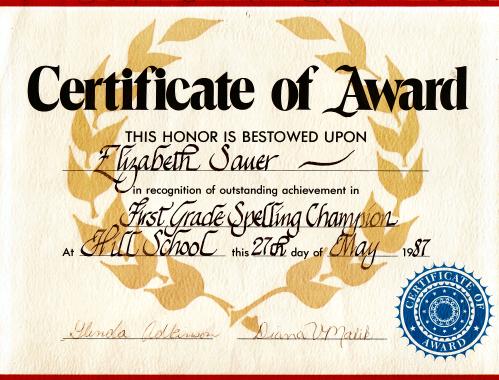
At the completion of first grade, Liz was awarded for having won the school spelling bee.
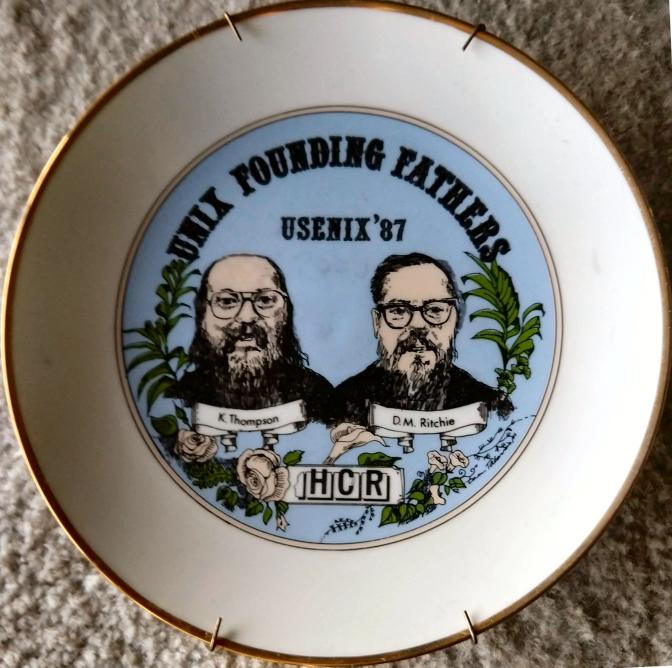
I convinced Clay that it was important for AIX development people to attend Unix technical events. Quite a few AIX people came to the Summer USENIX Technical Conference in Phoenix. Mike Tilson of HCR was prominent, both giving a talk about the future and recognizing history by holding a competition to win a commemorative plate with images of Thompson and Ritchie. I didn't win the competition, but Mike had extra plates and gave me one.
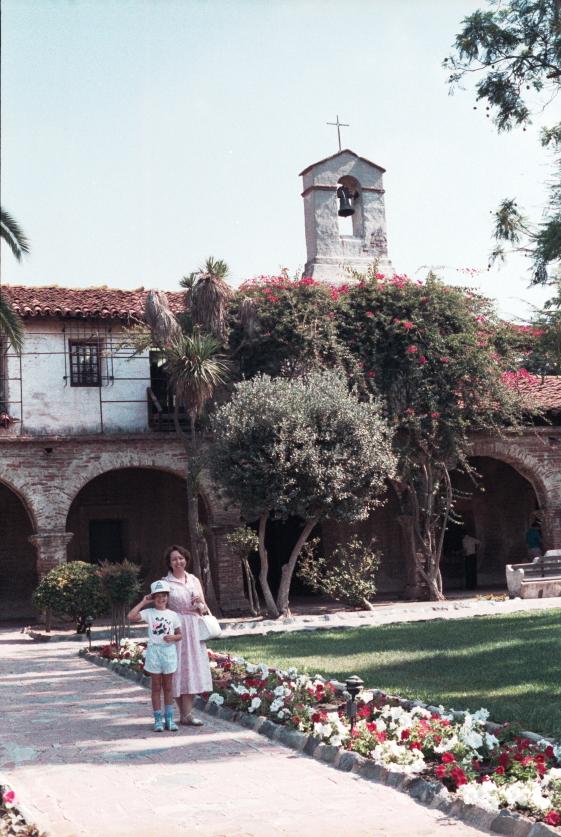
We took a vacation to southern California. Cousin Patty, daughter of the cousin who introduced me to Walt Disney 30+ years earlier, gave us the full tour of Disneyland from an insider's perspective. "Small World" was even more spectacular than the Orlando version, but otherwise we concluded we preferred the Orlando experience. We went on down the coast to San Juan Capistrano and spent a few days in a beach hotel in San Diego.
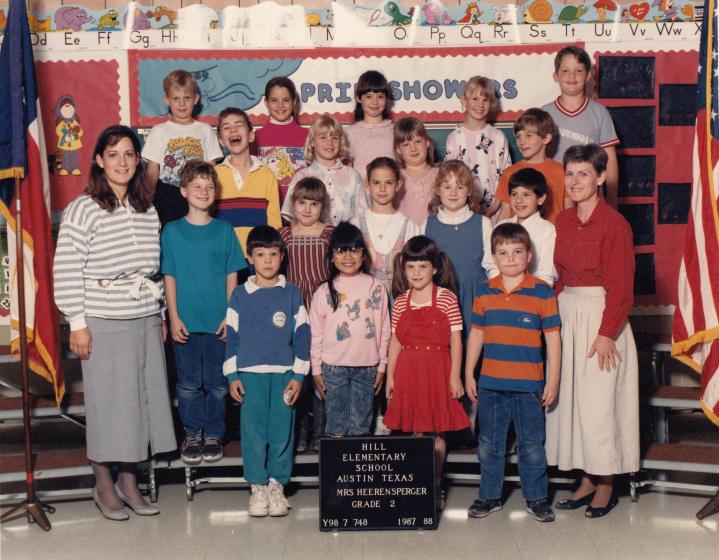
Liz started second grade at Hill Elementary.
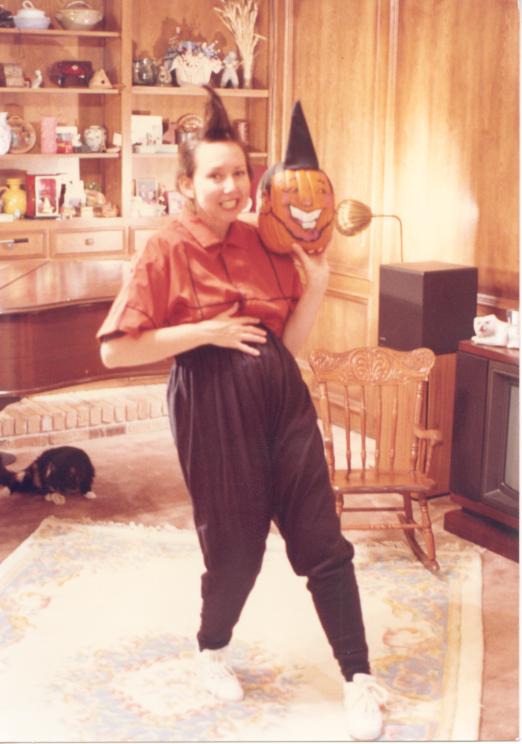
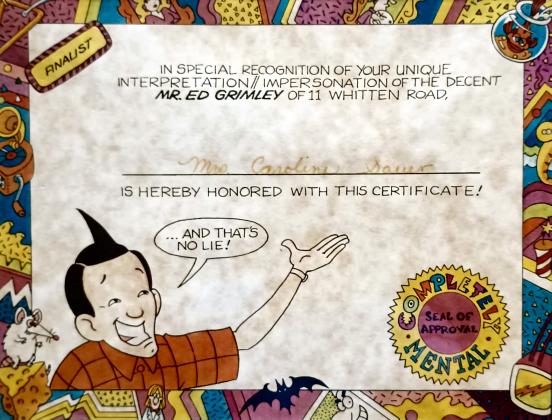
Caroline, especially, and I had long been fans of Martin Short's "Ed Grimley" character. When she discovered that he was holding a look-alike contest, Caroline made a shirt like the one Ed wears. We submitted photos and Caroline won an award.
 |
 |
 |
 |
 |
 |
It had become evident that there was going to be an ongoing rivalry between the IBM Austin people working on AIX for RISC processors and with Locus Computing people working on what would become "AIX/370" and "AIX/386." At the end of September, several of us from Austin went to Locus headquarters in Santa Monica, to meet with Jerry Popek, Bruce Walker, and others. The day after our arrival, the Whittier Earthquake struck. We joked that the tension of the meetings caused the quake, but actually the discussions were amicable in spite of our competitive positions and technical differences. I have an image of Bruce and I sitting across from each other, bracing ourselves during the aftershocks, wondering what was next. The Black Monday stock market crash soon followed. In spite of our jokes, I don' think the Austin/Locus meetings had any more to do with the crash than the quake.
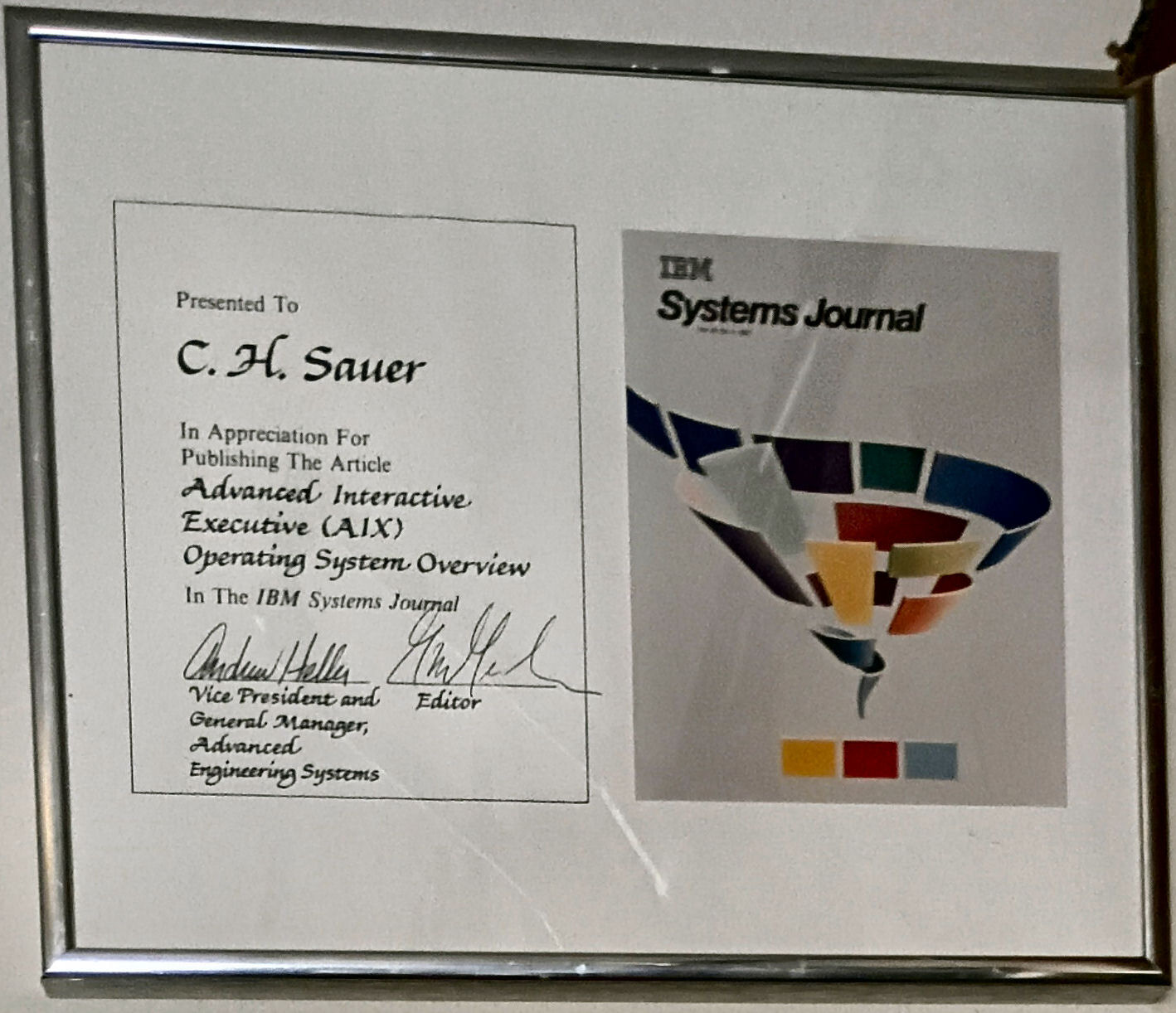
Larry and I published "Advanced Interactive Executive (AIX) Operating System Overview" as the best summary of what we had done up through AIX 2[24].
With the anticipation of the new processors and hardware that would become the RS/6000, we both wanted to fix the limitations of AIX 2 and prove what could be done better than competitors' implementations in AIX 3.
Much of the code, the VRM, the (PL.8) compiler and other auxiliary programs still existed in PL.8. In general, the PL.8 code was rewritten in C. With help from an ISC colleague, I created a PL.8 to C translator using Icon, that was used to facilitate some of the rewriting.
The Virtual Machine Interface was abandoned. The integrated kernel would be preemptive, allowing flexibility not found in previous Unix kernels. A journaled file system, a logical volume manager, reimplemented distributed services, sockets, NFS, … would be added.
Doing all of those things were more than ambitious, but there even more audatious plans that were confusing, disracting, and exhilerating:
With the momentum behind the new hardware and AIX, IBM did not want to perpetuate BSD ports. A team of AIX people, IBM people working on BSD, and Bruce Walker of LCC began to spend much of the year defining a convergence of AIX & 4.3BSD to be implemented in AIX 3 and the anticipated LCC “AIX” products.
Larry had told me of a wonderful vacation to Hawaii, emphasizing that the steep Sheraton discount for IBM people was available for vacations as well as business trips. Caroline started reading all the guide books she found and planning where we should go.
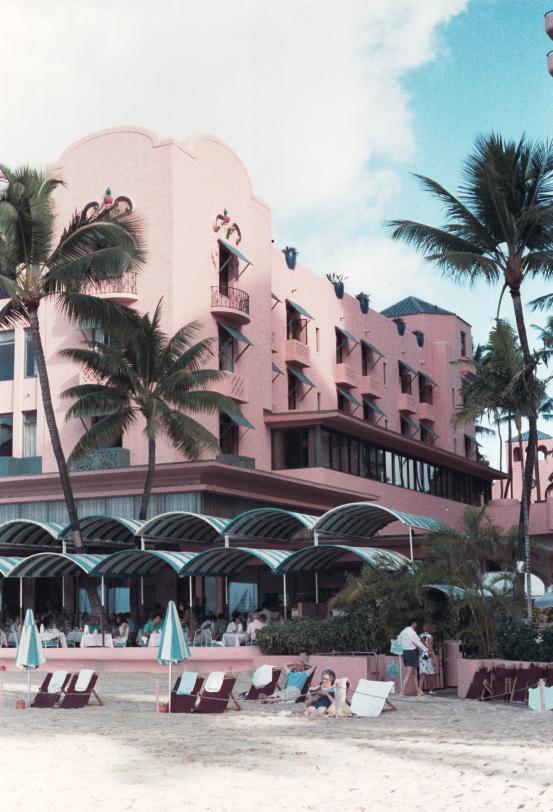
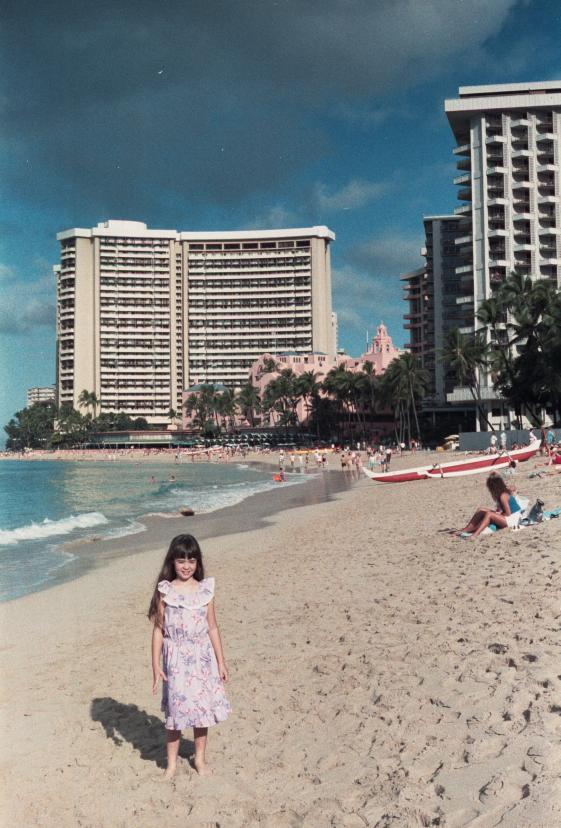
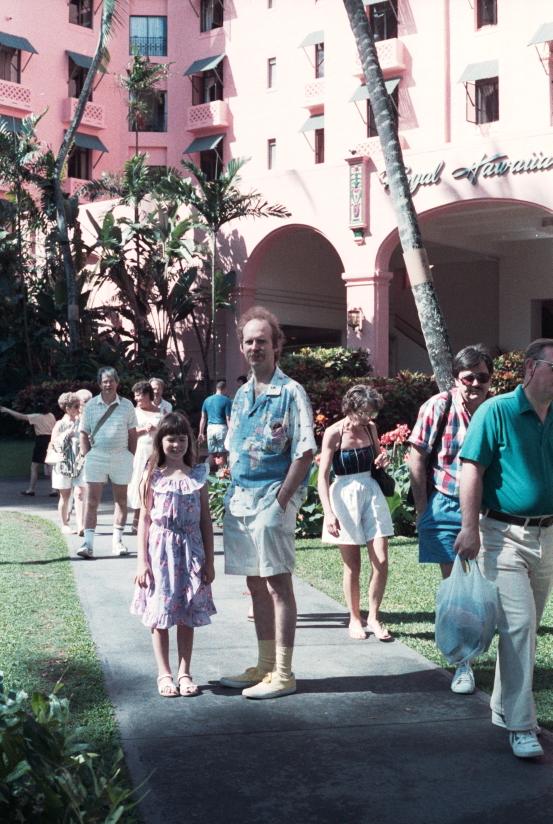
We discovered that the 1927 Royal Hawaiian Hotel was then a Sheraton property, so we made reservations at The Pink Hotel for the first few days and last few days of our trip.
When the three of us arrived at the front desk, after a very long day of traveling, they discovered they had mis-handled our reservation and didn't have a standard room for us. Perhaps because we had a young child, perhaps because of the IBM connection, perhaps for some other reason, they decided they needed to put us in Suite #5, where Dolly Parton had stayed the week before!
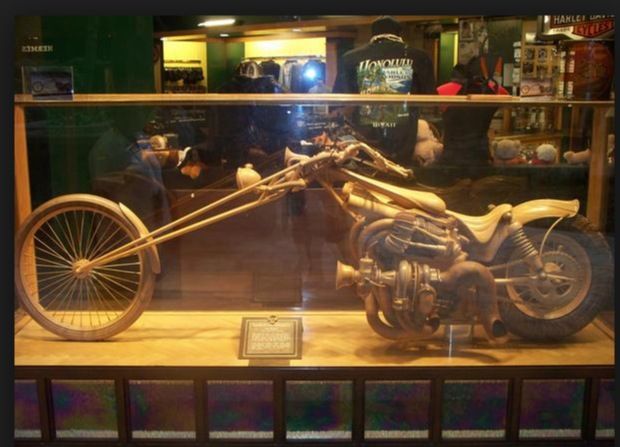
Words fail to describe the incongruity of being able to imagine being in Waikiki of 6 decades before and still be in the present day. So many celebrities had stayed there, some still having dedicated rooms. We were told that Kevin Costner was a guest at the same time we were, but we did not see him. The incongruity extended to the adjacent Royal Hawaiian Shopping center. At the time it had a McDonald's and a Harley shop along with the luxury shops and boutiques.
 |
 |
 |
 |
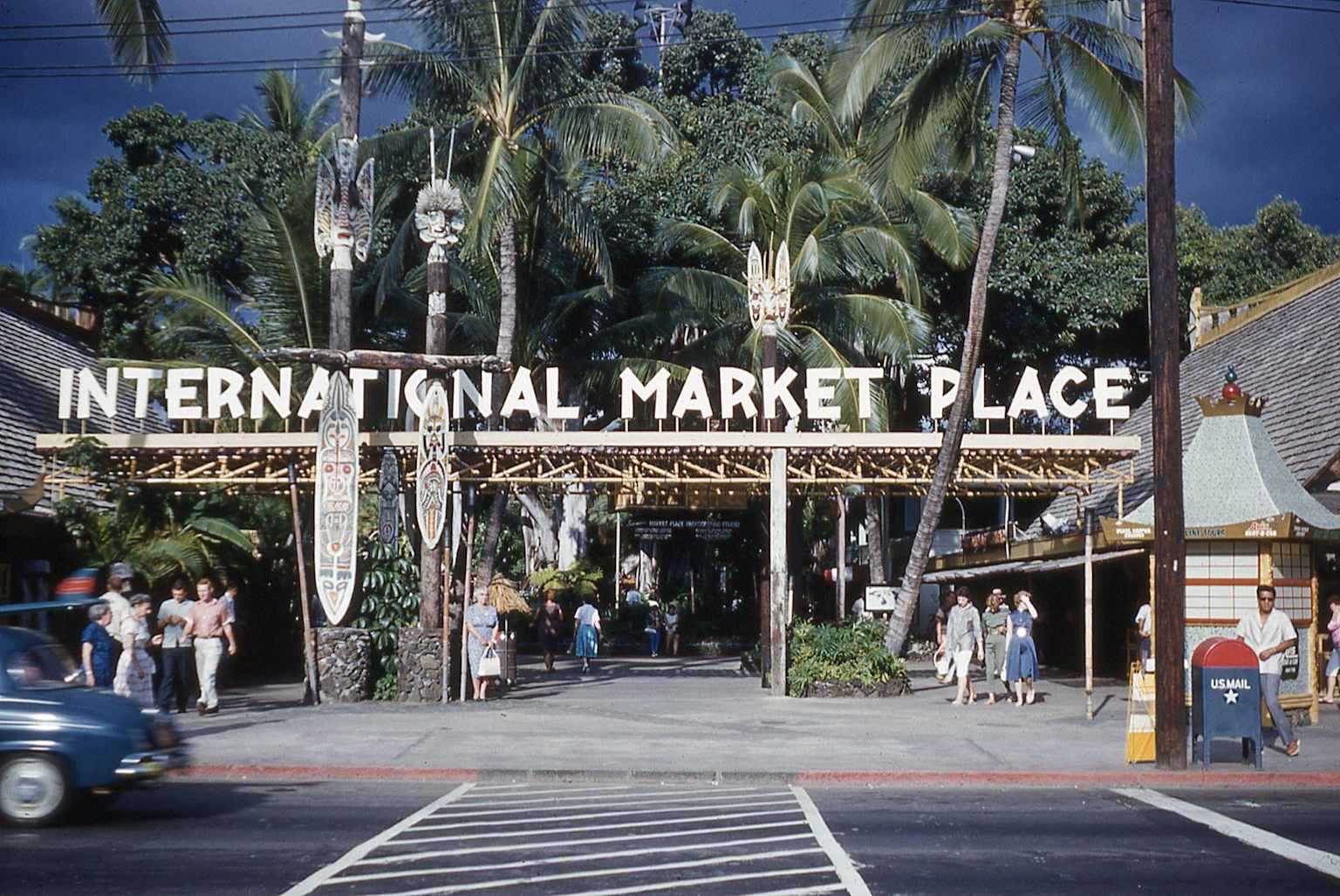
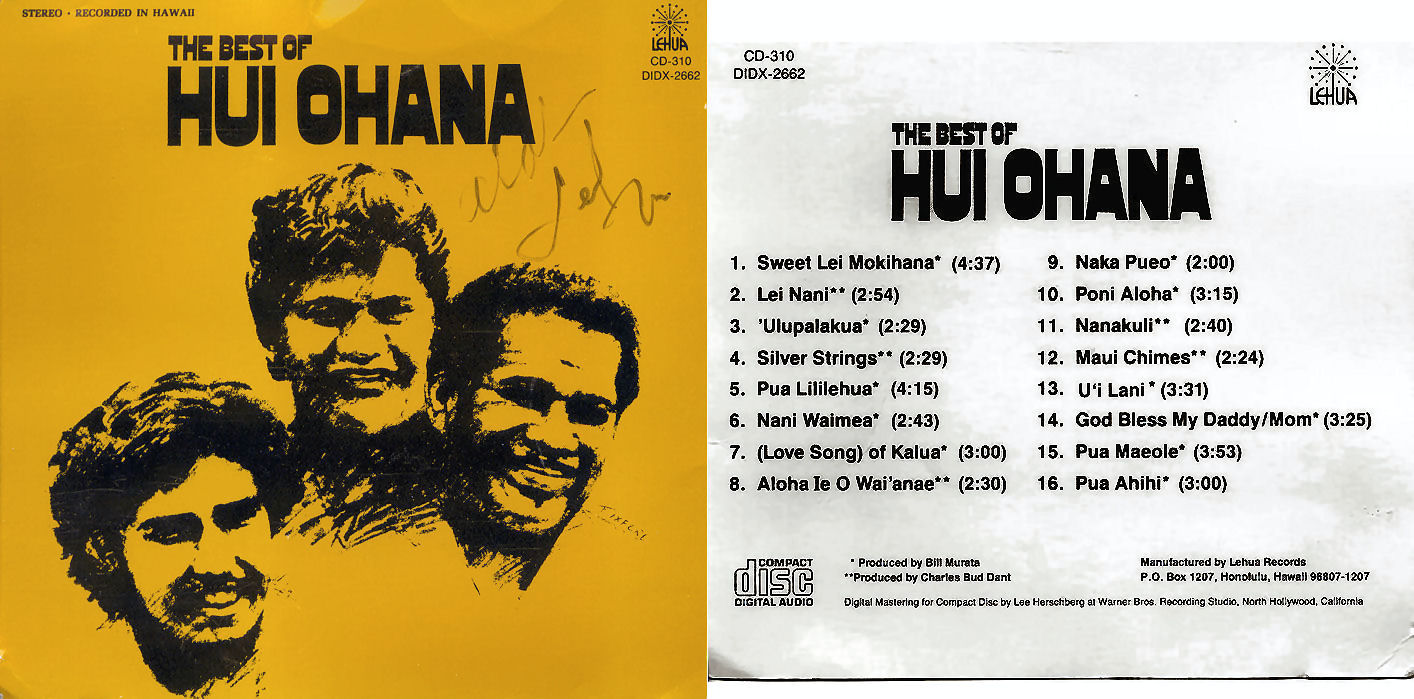
Even more eclectic was the Kalakaua Avenue International Market Place [closed 12/31/2013 and replaced in 2016]. Interspersed in the tourist traps, the convenience stores, the beachwear boutiques, etc. was an open air Tower Records. There I found a wealth of traditional and contemporary Hawaiian music CDs, most notably from Hui Ohana and Iz.
 |
 |
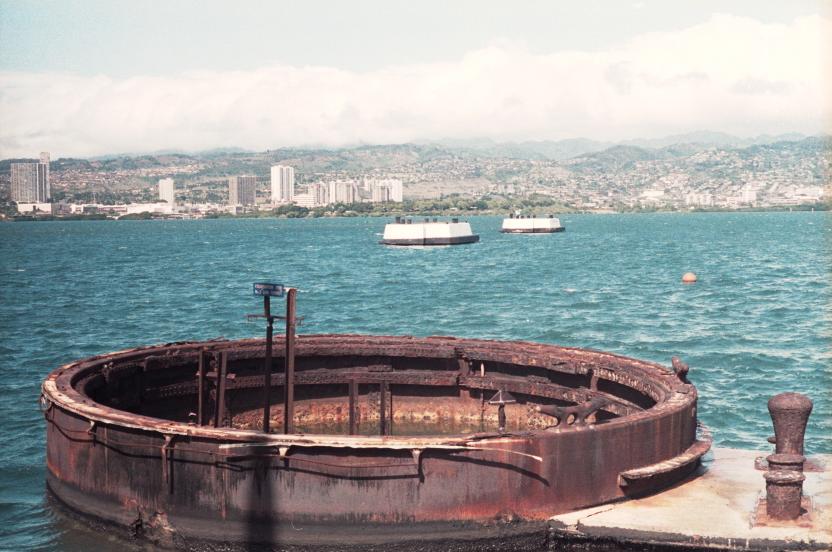
We drove all around Oahu, up the windward coast to the North Shore, and down the middle of the Island. We paid our respects at Pearl Harbor and the Arizona Memorial.
 |
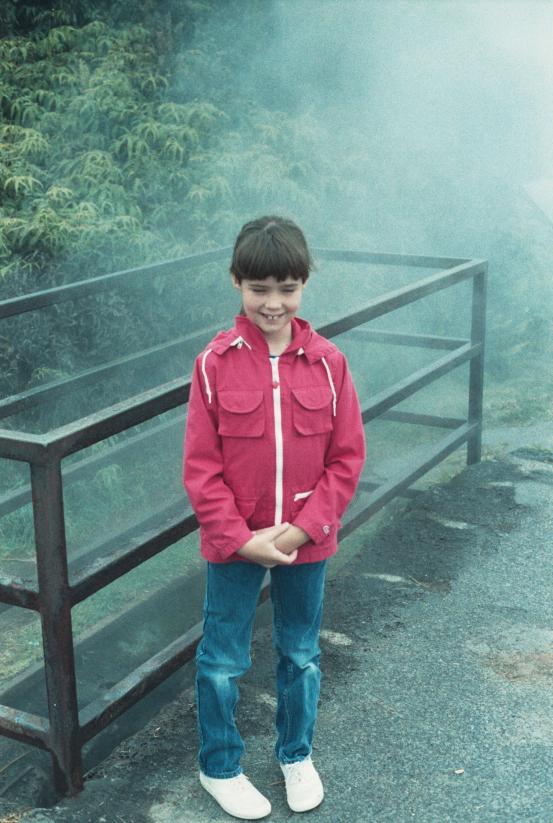
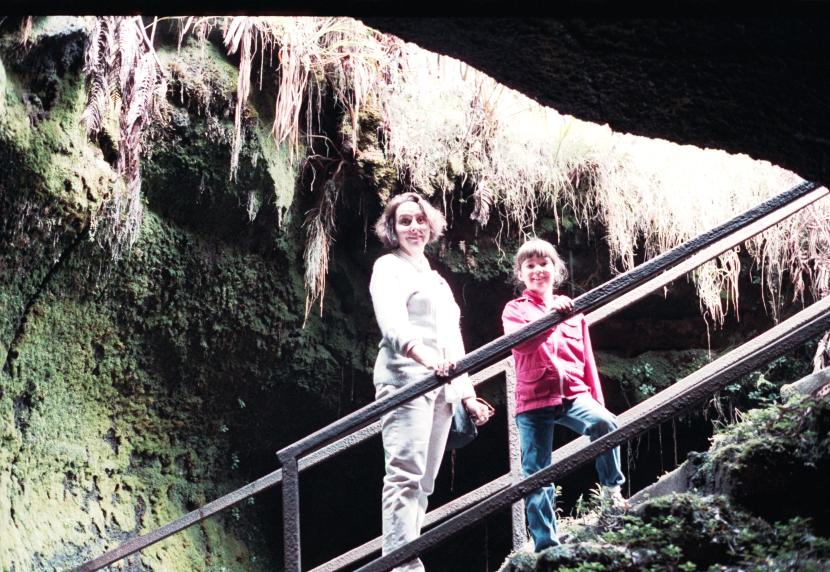
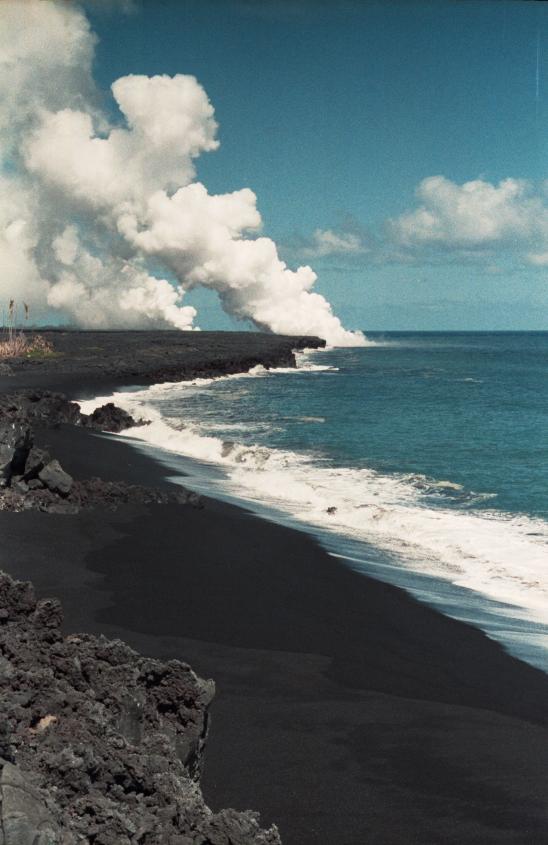
Leaving Oahu, we went on to Hilo, on the windward side of the Big Island. We explored Kilauea, the lava tubes, the black sand beach, and more.
 |
 |
 |
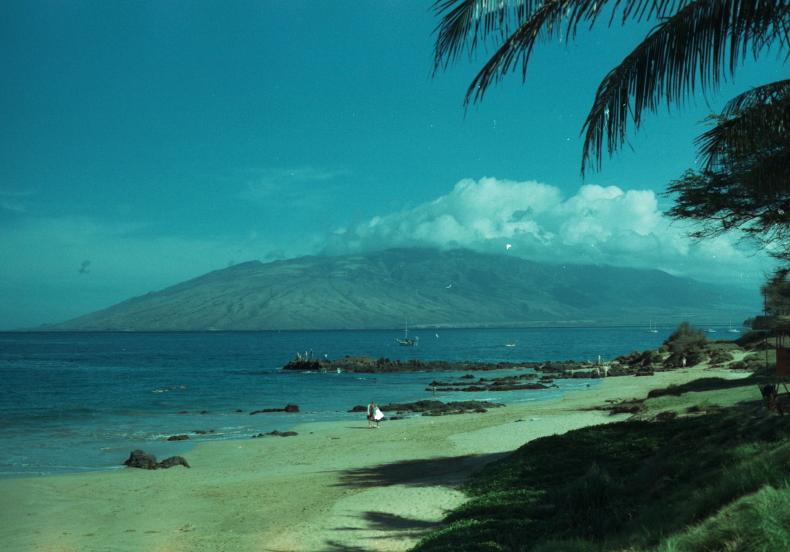
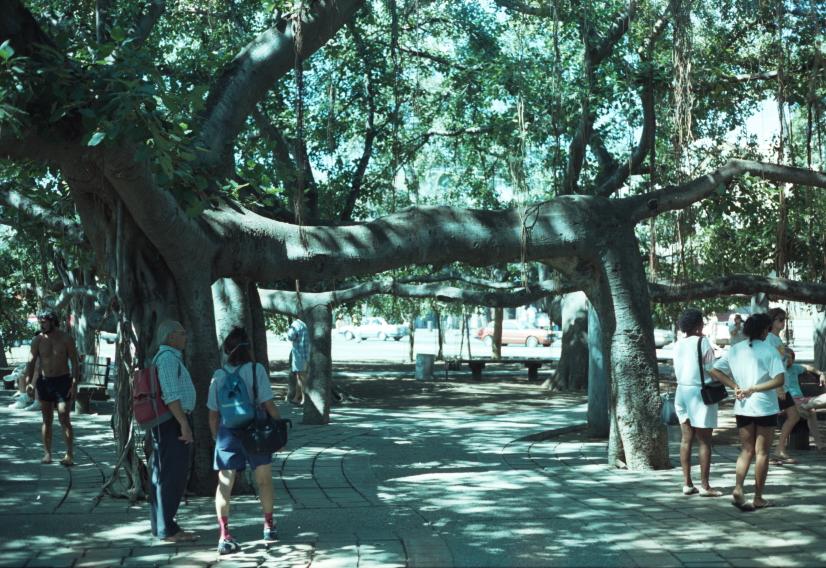
From Hilo we went on to Kihei in Maui. Caroline had booked us at a wonderful condo complex, the Kamaole Sands. Across the road I discovered my all-time favorite beach, Kamaole III. As a child I had loved a story I'd read about a beach on a Pacific island. Kamaole III perfectly fit my images from that story. After days there, exploring ‘Īao Valley, the Bailey House Museum, and Lahaina, we went back to The Pink Hotel for another day or so and then back to Austin.
 |
 |
Larry and others persuaded OSF that the iniitial OSF/1 environment would be based on AIX 3. When OSF was announced May 17, IBM CEO John Akers and Digital's legendary CEO Ken Olsen were amongst those on stage in Manhattan. The Wall Street Journal for May 18 noted that no one present at the launch of OSF could recall ever seeing Ken Olsen sharing a stage with an IBM chief executive. Ken Thompson was in Australia at the time. When Ritchie told him what had transpired, he said: "Just think, IBM and DEC in one room and we did it!"
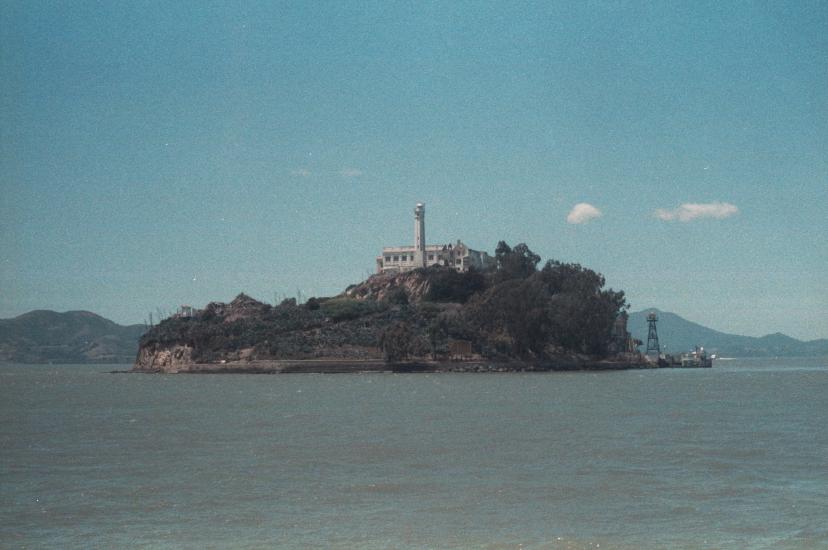
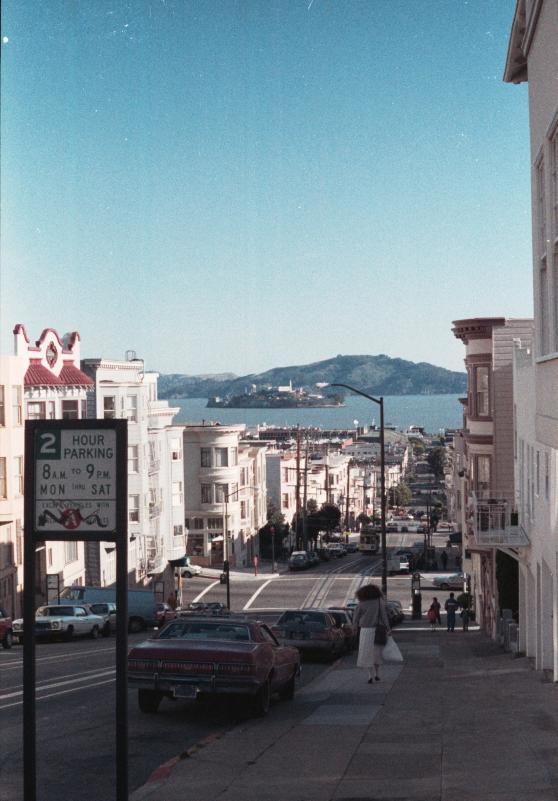
Larry and I (and Pat Loucks and Caroline) were invited to attend the May 16-19 annual Corporate Technical Recognition Event at the Fairmont in San Francisco. As part of Glenn's status as an IBM Fellow, he and Peggy were also there. The evening of the 17th, Andy met with Glenn, Larry and me to tell us the three of us would be getting a large coroporate award for AIX, with Larry getting the largest amount. John Akers had flown across the country that day to present awards at the banquet. When he handed me my check, he told me that was one of the proudest days of his life, because of the OSF announcement.
 |
 |
Regardless of our opinions about the deficiencies of NFS, it was evident that providing NFS in AIX (and the ACIS BSD offerings) was a competitive requirement. I worked with Sun people and IBM contracts people to negotiate a corporate license so that IBM could offer NFS, not just in Unix products, but also in OS/2 and even mainframe products. As part of the OSF discussions, people from the member companies anticipated a need for a "distributed computing environment" more comprehensive than the offerings/plans from any of the companies and superior to the NFS and associated development anticipated from Sun and AT&T. I started working closely with several people outside of IBM, particularly Paul Leach of Apollo and Mike Kazar of Andrew. I got IBM to license the Apollo Network Computing System (NCS) and commit to including those remote procedure call and location broker services in AIX 3. We began defining our "MOSAIC" of components: NCS, Kerberos from MIT, a distributed file system based on the Andrew work plus the IBM Distributed Services plans, etc. Eventually MOSAIC evolved into the DEcorum proposal that was submitted to OSF and adopted by OSF. Working with the Sun, Apollo, and Andrew people gave me a visceral understanding of how insular the IBM environment was. I knew already that IBM was different from other companies in dealing with collaborators and competitors, but I began to get a much better understanding of the differences.
Modestly faster models of the RT were announced in July.
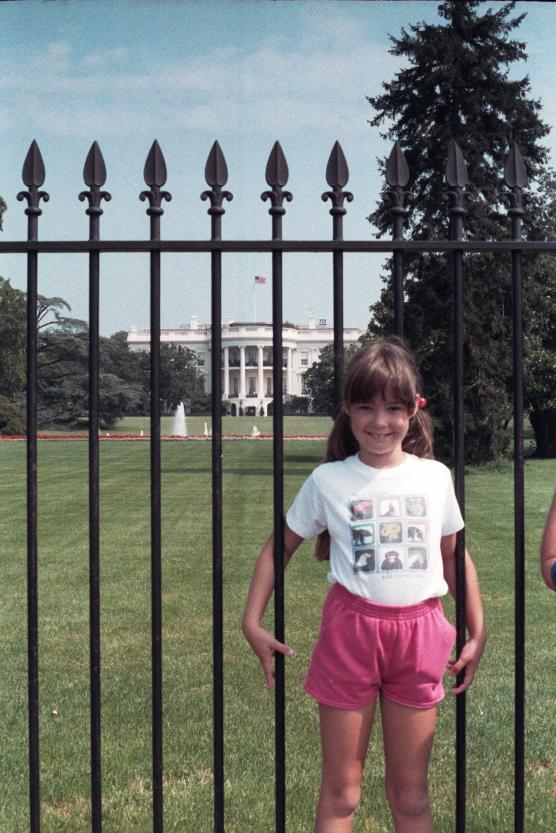
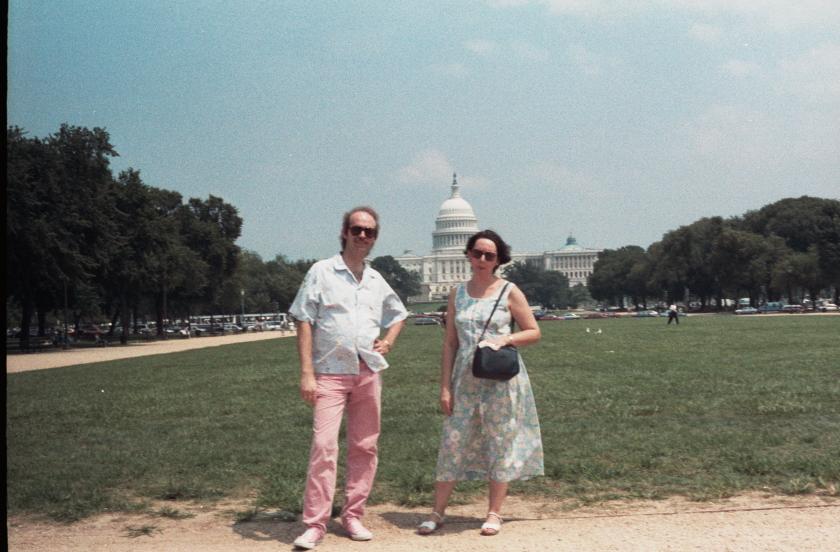
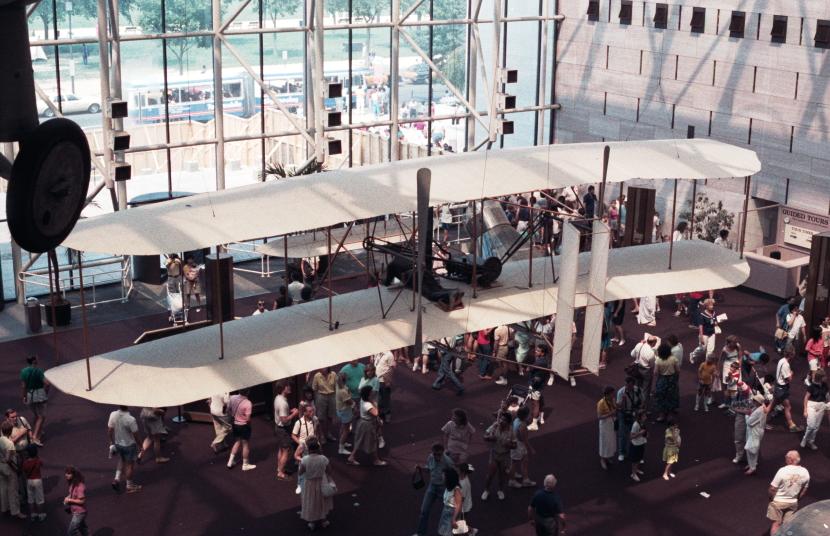
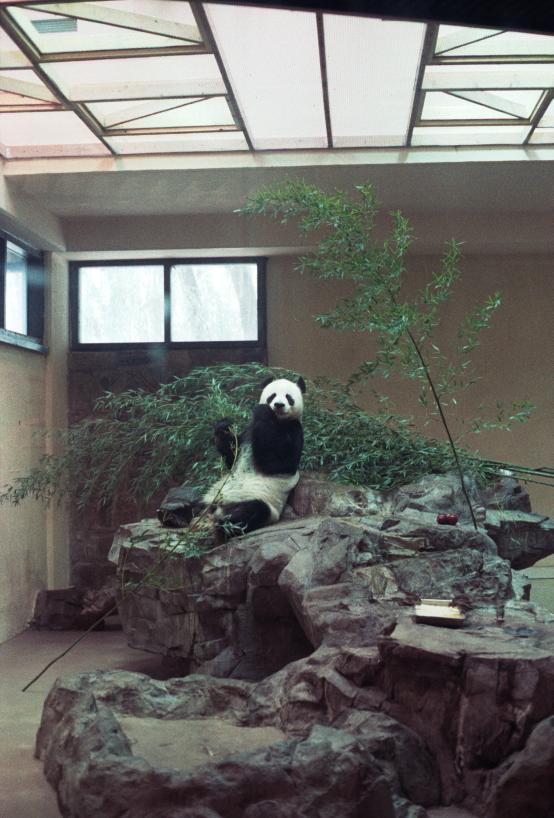
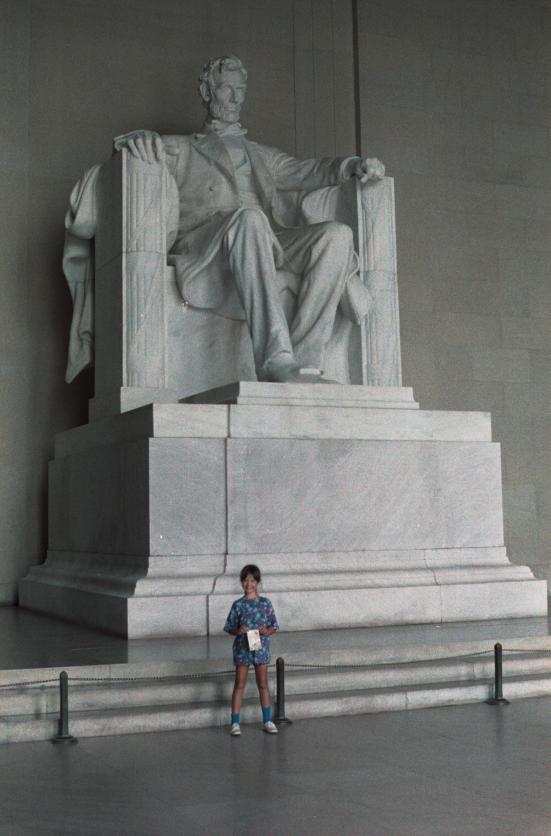
Before the new school year, Caroline, Liz and I took a vacation to D.C., to see the Federal buildings and monuments, the Smithsonian, the pandas as the National Zoo, the parsonage in Alexandria, where the Abbitts had lived when Big Dad was stationed at the Pentagon, and Kennedy Street.
 |
 |
 |
 |
 |
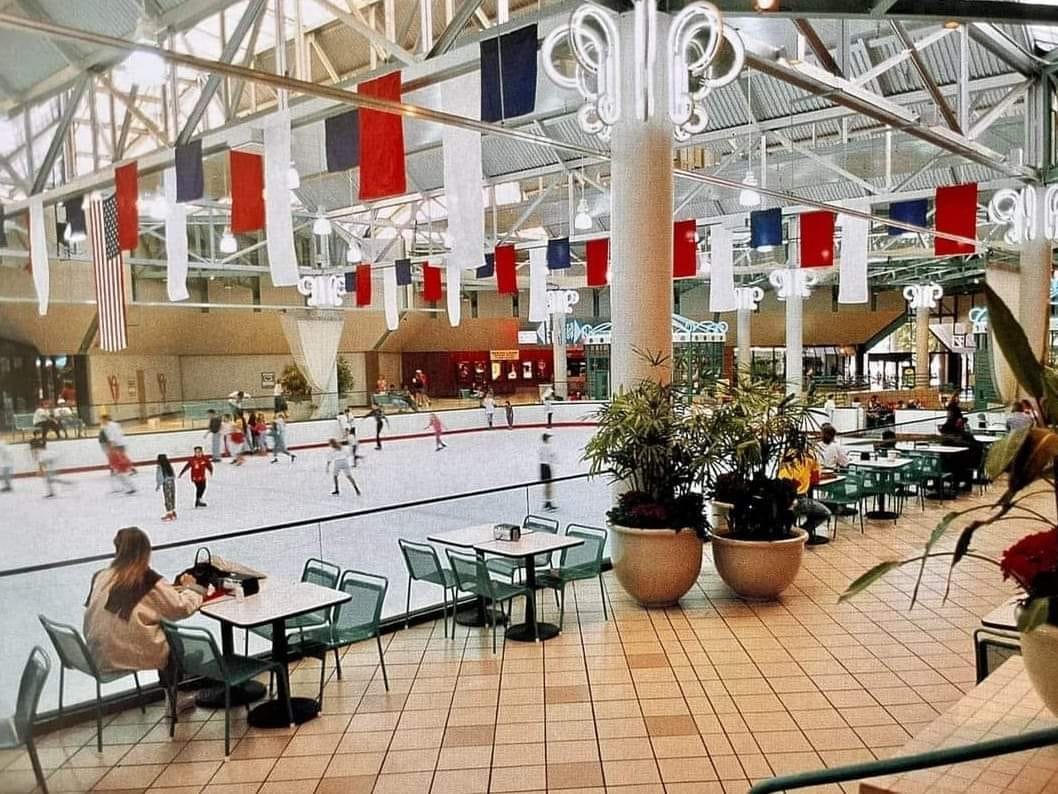 |
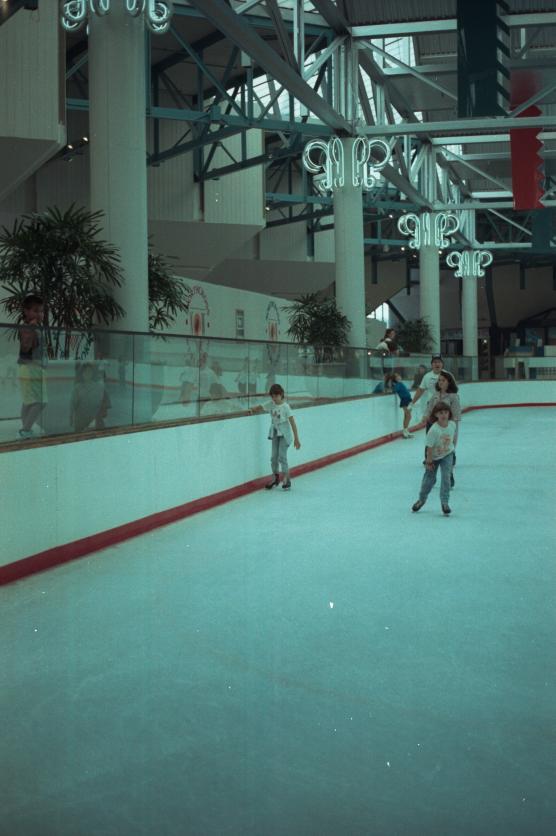 |
 |
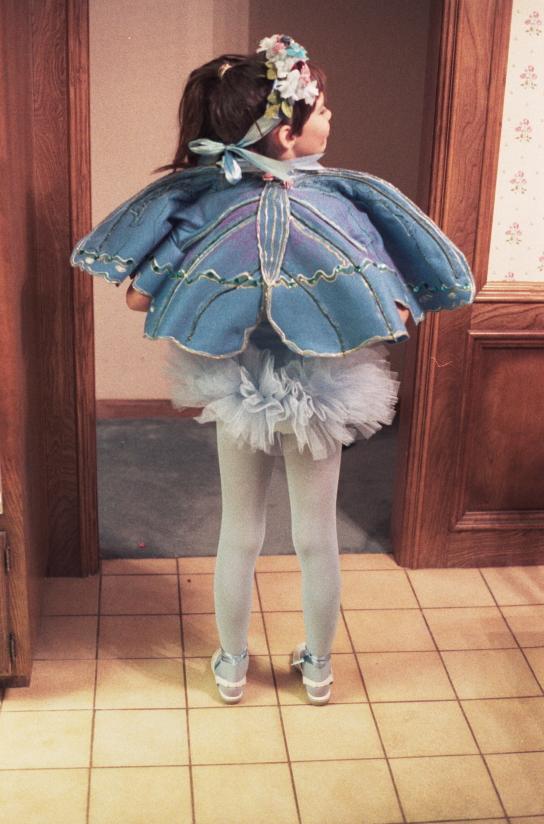 |
Most mornings I would take a bicycle ride from Crowncrest to the end of Valburn Drive and enjoy the views. At the time, there were only a few homes west of Greystone. One morning there were at least a dozen "for sale" signs on lots on Valburn. I persuaded Caroline that the lot at 7123 had the best view and that we should purchase it as an investment, and possible future home site.
At some point, Nick Donofrio, the corporate vice-president responsible for our products, set an appointment to see me. At the time, IBM stock options were reserved for much higher level people than me, but Nick granted me options based on 3 times my salary — the multiplier intended to be reinforcing of my importance.
Glenn's group had shifted from exploring multimedia to trying to create an "L86" processor with Intel 386 instruction set but based on the architecture and including the instruction set of the "POWER" processors being developed for the RS/6000. In spite of his nominal independence to pursue this as a Fellow project, the L86 work was challenged at the corporate level. See Background of Centaur Technology Part 1: 1979–1993 for Glenn's telling. At some point in the fall, Glenn resigned to join Dell as vice-president of development.
In early November I was invited to a "Berkeley Unix" workshop in Berkeley to present our convergence work for AIX 3. I felt very honored to be included in this group of many of the people who had created BSD and were continuing to make it so important. I had met Rick Rashid before but didn't really know him. He chose to sit with me throughout the workshop and we became well-acquainted. November 2, the workshop participants became aware of the "Morris Worm" that was dramatically disrupting the Internet. Since that worm was primarily spreading by exploiting bugs in Berkeley Unix, much of the evening was spent focusing on resolving the problems. I was able to sit with Keith Bostic and others as they thwarted the exploit.
At Thanksgiving, Caroline, Liz, and I took yet another vacation to Disney World.
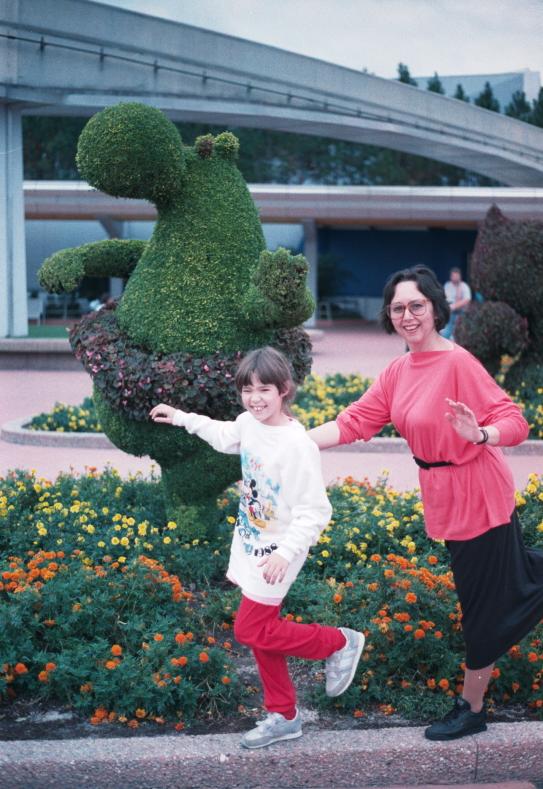 |
 |
A succession of events in the first months led to my ultimate decision to resign from IBM April 28. I may not remember the order correctly.
Larry was coerced into leaving our group to help the floundering OS/2 efforts. He might not agree with "coerced," if he were still alive to correct me, but my understanding at the time was that he was told that if he wanted to be named an IBM Fellow he needed to save OS/2. Larry was named an IBM Fellow in May of 1989.
Andy Heller resigned from IBM to join the Kleiner Perkins venture capital firm. There was a gathering in his honor afterward at a south Austin restaurant. John Cocke was more vocal that night than I had ever seen John, praising his mentee Andy and cursing Andy's detractors. Though I have encountered Andy a few times in subsequent years, I never have had a clear understanding of why he left IBM.

At the end of February, I went to Uniforum in San Francisco to present our AIX/BSD convergence work. I don't remember the presentation, but it must have been perfunctory and uneventful compared to presnting at the home of Berkeley Unix on the day of the Morris Worm. What was memorable was my surpise that Dell had a booth at a Unix trade show. Tom Lang and others that had worked on AIX had followed Glenn to Dell. They, along with some sharp Dell "old-timers," had assembled a very credible product based on ISC's SVR3 plus components from Locus, OSF, and others[31]. That initial Dell Unix product already had important capabilities, NFS and Motif, not yet available in AIX.
After all those experiences, I was still trying to make things work at IBM. I was dismayed to realize how late AIX and the new hardware would be relative to the nominal announcement and availabilty planned for before the end of the year. It seemed like déjà vu relative to the RT schedule — late hardware not competitive with other products in the market. Outsiders kept telling me that Intel 386 products would be much more capable than I expected. It turned out that I was very right about the schedules, that the RS/6000 would not be available until the middle of 1990, but wrong about performance. As late as it was, the new hardware would turn out to still be superior in performance.
I was still focusing on the MOSAIC proposal for OSF, working with Paul and Mike and others, traveling a lot to see them. I don't know if I first heard from Paul or from the press, but I was stunned April 11 when HP announced it was acquiring Apollo. Though HP was an OSF member, HP did not seem engaged in OSF the way Apollo and IBM were. In any case, HP had not been participating in the distributed systems proposals. It seemed inevitable that (a) there would have to be a reset to engage HP people, and (b) I would need to spend even more time on airplanes. Those changes, especially the travel expectations, were the proverbial "last straw" — I started planning to leave IBM.
The two most likely possibilities were to ask Glenn to hire me at Dell or ask Doug about a position at Tandem. I pursued both. I had interviews with Glenn and Michael — both seemed to go well. I interviewed with Doug's management at Tandem. Since Glenn and I had worked so well together before, that made sense, but my fit with the planned products was not obvious. The fit with the planned products at Tandem seemed much more straightforward, but the personal relationships more complicated. The presumption in the interviews seemed that I would report to a director of development and Doug would report to me, but that seemed very awkward, given our friendship and Doug's leadership role. Both companies made attractive offers and I chose Dell.
At the time, I was reporting to Gary Snyder, who then reported to Clay. Carl Caricari had taken Andy's position, so Clay reported to Carl and Carl reported to Nick Donofrio. I turned in my resignation to Gary the morning of April 28, expecting to separate immediately, as was the IBM custom for resigning employees. I don't remember what Clay and I said, but Clay has recently said that Glenn has been his all-time favorite manager, so Clay must have understood the attraction of going to work for Glenn. As I was packing up my office on Saturday, Carl sat with me, doing his best to persuade me to reconsider. Nick wanted to fly down to talk to me on Monday, so I delayed my planned Dell start date to Tuesday May 2 so that I could meet with Nick. I remember Phil Hester sitting with me that Monday morning as I waited to meet with Nick, Phil understanding my decision and wishing me well. Nick seemed to realize my decison was made, but encouraged me to reconsider and return if I changed my mind in the near future.
Larry was very displeased and mocked my new title, "director of product planning." Caroline and I went to a party at Larry's a few weeks later to celebrate his fellowship. That was probably the last time Larry and I spoke. Ed MacNair also was likely displeased. We've never seen each other since, though we have had electronic communication as recently as 2020. IBM made it clear that my name should be removed from publications in so far as possible. The AIX article I had written for the April issue of Unix Technology Advisor had just come out, so it was too late to do anything about that[26]. The article Jack O'Quin and I had submitted to an IEEE workshop had already been accepted[27], but Jack was asked to be the only presenter. I had co-authored several articles for the forthcoming IBM RISC System/6000 Technology, but my name, and probably an article, were stricken from that book[28]. I do not remember paying much attention when AIX 3 and the RS/6000 finally became availble the next year[29].
[June 8, 2026: Vivian Voss posted an over-arching discussion "Where Unix Runs Today," with emphasis on ubiquity and the POSIX standardization of Unix. There Vivian writes:
"One footnote worth keeping. Apple is certified on UNIX 03, dating from 2002. Only one product on the planet is certified at the next level — UNIX V7 (Single UNIX Specification version 4, POSIX.1-2008): IBM’s AIX 7.
...
"The world’s commercial Unix systems are not all in retirement homes.
"IBM AIX is actively developed. New versions track new IBM POWER processors; the public roadmap is clear. AIX 7 is the only operating system in the world certified at UNIX V7 (SUSv4) level. Banks, insurance, large enterprise back-office: AIX still carries this work, and IBM still treats it as core strategy."
June 15, 2026: Definition of Unix
June 22, 2026: Origins of Unix
Following up on Vivian's articles, Clem Cole emphasized to me that "The U.S. government told us what UNIX is in BSDi/UC Berkeley vs. AT&T." The court agreed with AT&T and said the intellectual property (UNIX) they created and defined was theirs, but AT&T could not claim it was a trade secret. That property had been disclosed too much to sustain the trade secret claim. In other words, all implementations of that intellectual property, including pervasive Linux in our automobiles, telephones, televisions, ..., are instances of Unix because of the court decision. The UNIX intellectual property (IP) refers to the ideas, techniques, and processes used to build a computing environment. The source code implements the IP and reduces it to practice, and is an example of it. Any system that uses those ideas is using that IP. Even implemenations of the IP that don't use code from the AT&T implementations are not separated from those techniques and mechanisms that were originally described in the CACM paper. AT&T continued to refine and publish the IP for many years. Clem discusses this at length in his 2017 paper[30].]
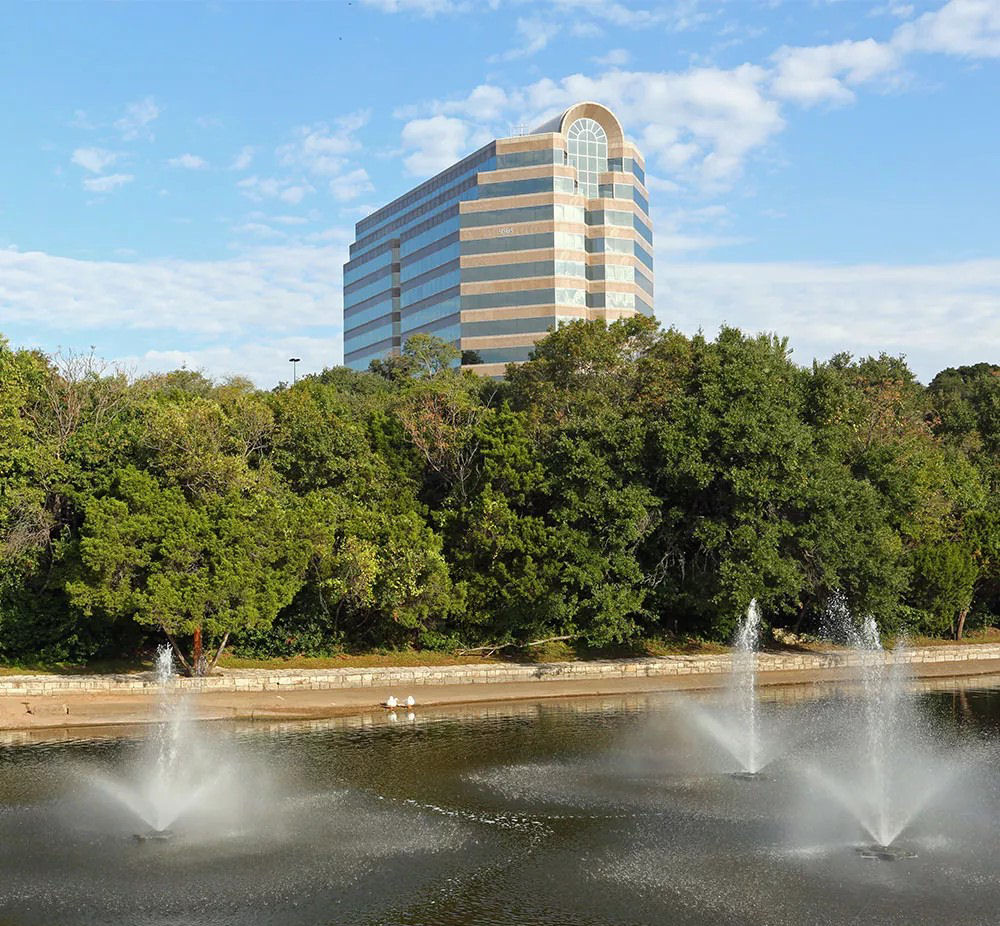
Initially, my role was defined as product planning for the Dell “Olympic Project,” which intended to span “desktop, workstation and server markets, with single and dual processors and many different operating systems,” in Michael’s words. Those years at Dell, starting in an office at Arboretum Point, overlooking the swans and pond, were some of the best of my technology career. It gave me the chance to work for Glenn again, to focus on hardware projects, and to learn so much from Glenn, Michael, and many others.
Not long before I joined, there had been a reorganization such that Glenn assumed responsibility for all of "Product Group," including manufacturing. Mobile phones were still exotic, but Dell supplied one for Glenn's car to use as he drove the several miles from the Arboretum to the manufacturing building. There were 6 or 8 of us reporting to Glenn, including Mike O'Dell, who joined from IBM about the time I did and assumed responsibility for the main hardware PC products. Dell did not have any portable products yet, but there was a separate team preparing to launch the first Dell laptops. Others were responsible for software, peripherals, test and support, finance, etc.
Initially, I had no staff. Terry Parks had been trying to both manage the VLSI group creating chips for Olympic and be the principle designer of the main chip, "Shiva." Soon after I arrived, Terry suggested to me that I manage the VLSI group so that he could focus on Shiva.
Glenn and I both intended that I not be responsible for the Unix group, but I quickly became an adjunct leader of that group. The people I knew from IBM wanted to show me what they were doing. Dell people not directly involved with Unix wanted my assessment of the Dell product. I started with Dell 20MHz 386 machines at the office and at home running Dell Unix.
Though only modem based, there was a much more reasonable Internet connection already at Dell vs. the kludgey UUCP stuff I had established at IBM Austin. My email address was now sauer@dell.com vs. ut-sally!ut-emx!ibmaus!sauer. Though most internal email used cc:Mail software and conventions, there was reasonable gatewaying to the Internet. One day at a restaurant at the Arboretum, Michael asked me what his Internet address was. I was able to tell him it was michael@dell.com and that it would work fine from cc:Mail.
Some Unix people outside of Dell and IBM could not grasp my change. I remember specifically getting email from Clem Cole asking if I had really left IBM for Dell -- he said he had assumed I would be an IBM "lifer." Another outside friend expressed concern that Dell would not have a place for a "technologist" like me — I had never thought of myself as a "technologist" before.
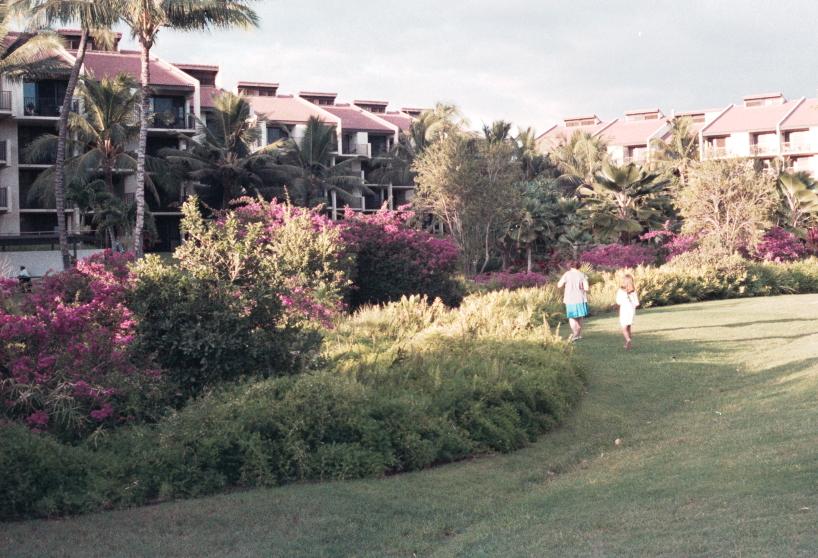
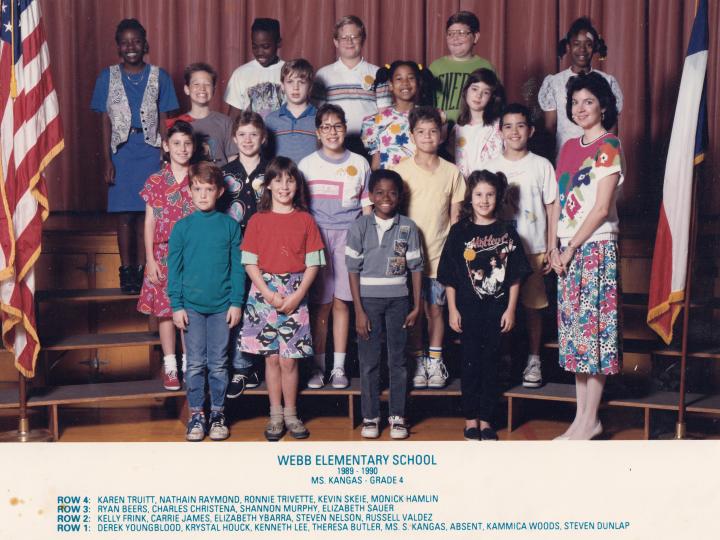
Caroline, Liz and I took another vacation to Hawaii, just to stay at the Kamaole Sands in Kihei. The Austin school district decided to remove temporary buildings at Hill Elementary to enlarge the main building. As a result, Liz was assigned to Webb Elementary. Webb was almost 5 miles away, so not practical for walking to school, but much more ethnically diverse.
Caroline, Tony and I started playing gigs as a trio at a venue off South Lamar that seemed receptive. Jerry was busy pursuing an E.E. degree at U.T. and didn't want to schlep his drums around. Those were probably the last regular gigs that we played.
 |
 |
 |
 |
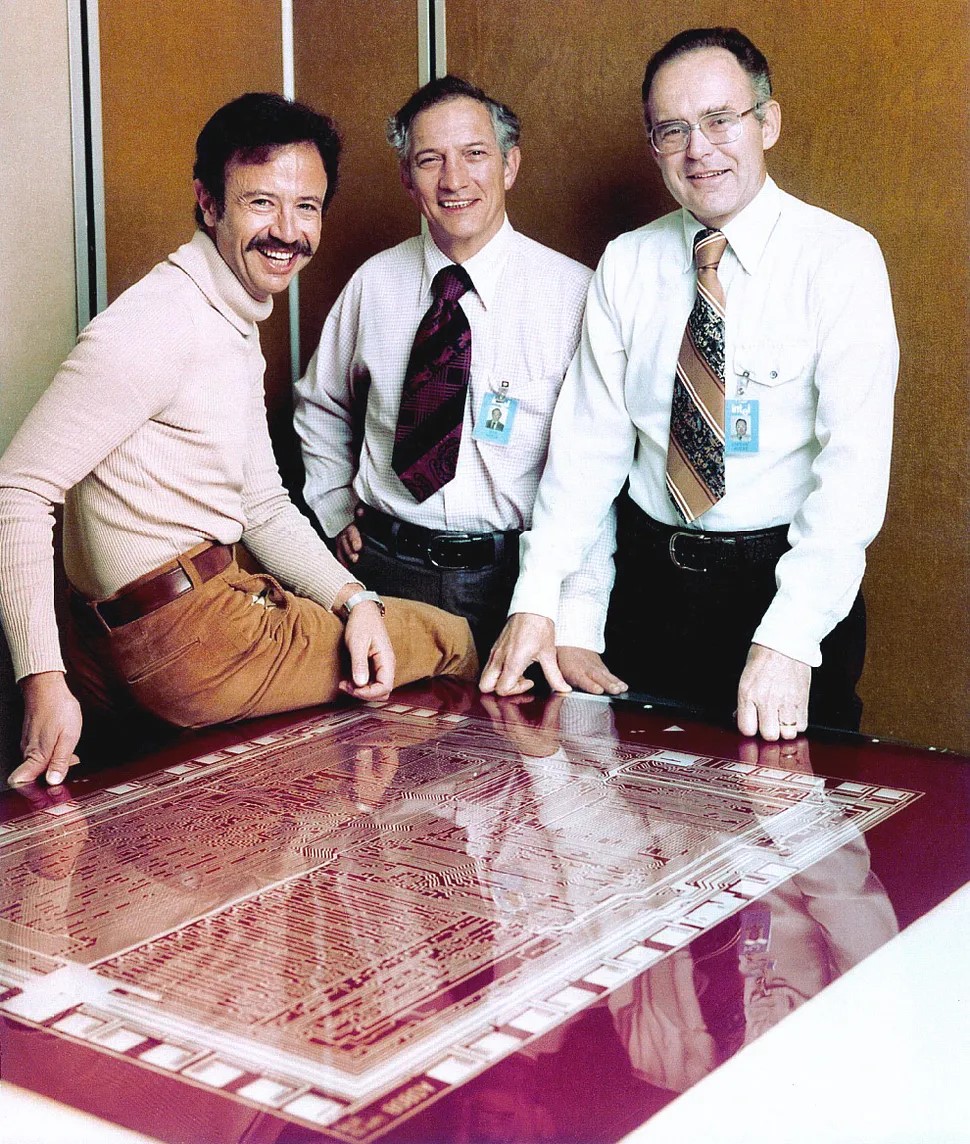
Andy Grove, then Intel CEO, and Pat Gelsinger, then leader of x86 processor development, came to visit. I barely knew who they were and had no idea how important they would become to me in the coming years. Glenn had me and one or two others help him show Andy and Pat what we were doing with Olympic and answer their questions.
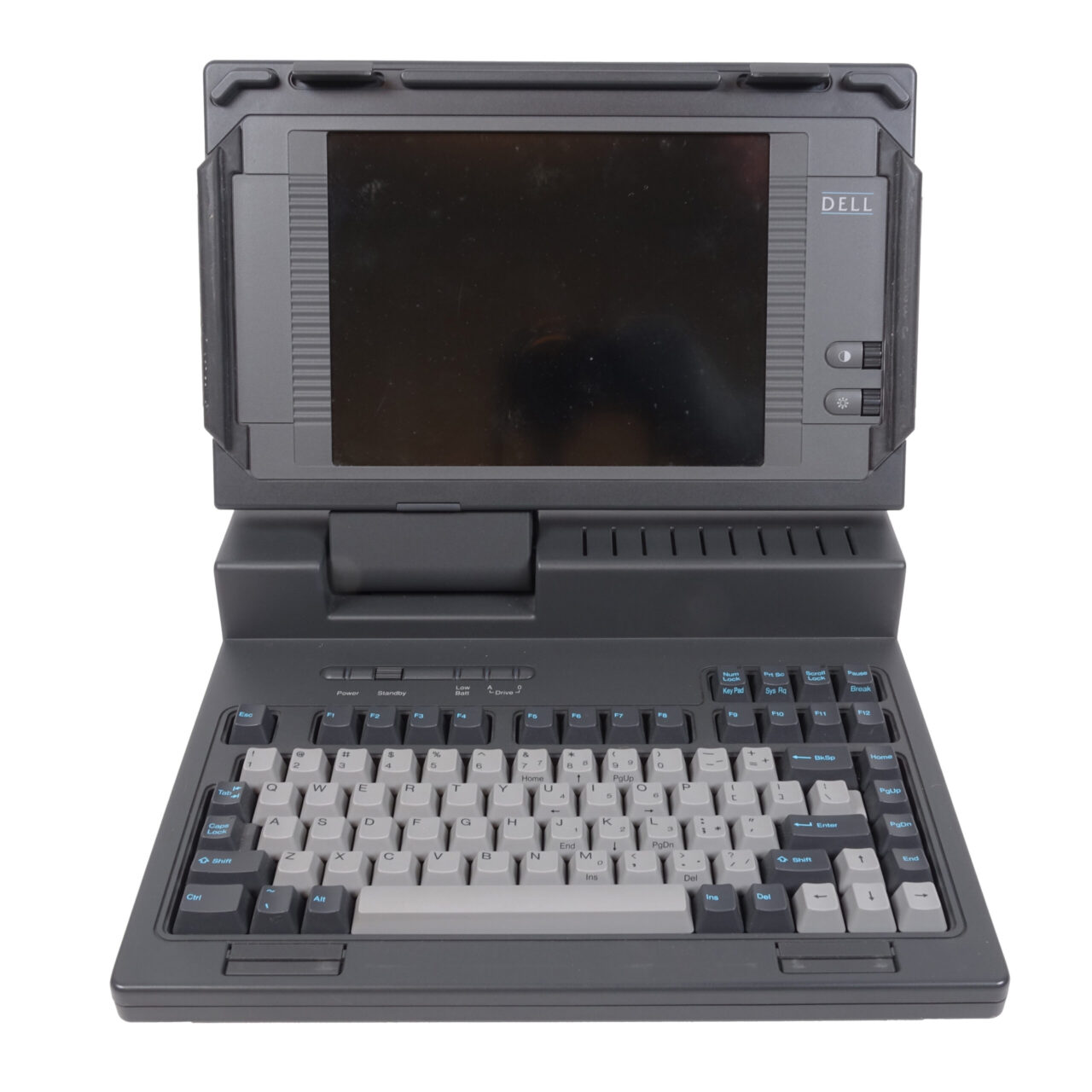
Fall COMDEX in Las Vegas was by far the most important trade show for personal computers, so I went there (COMDEX and Las Vegas) for the first time. Probably the most interesting product displayed by Dell was the 316LT laptop, the first Dell portable, which would be released in early 1990.
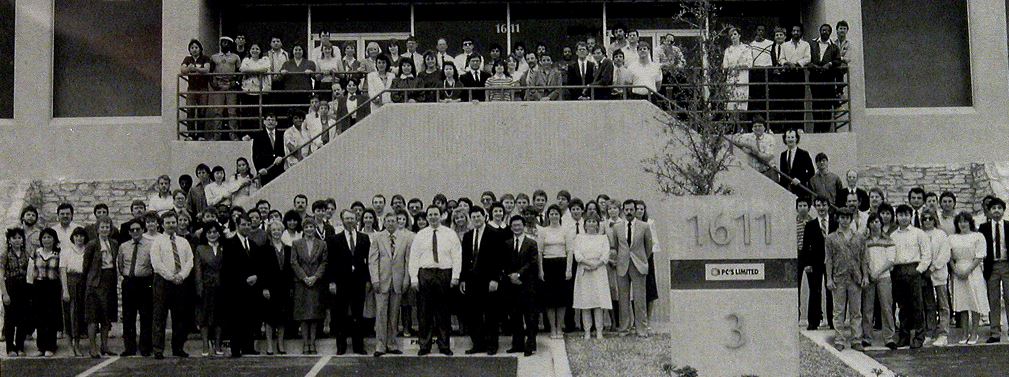
Olympic was intended to be the next generation of Dell products and the first Dell 486 product, but Olympic products were not ready. Rather than sustaining the Dell reputation of being first and fastest, we were lagging behind competitive products. The stock price dropped to less than ten cents a share. My father had purchased Dell stock when the price was much higher, so I felt bad about his purchase, but knew he and Mom would be ok with their other resources. The internal mood was dire, harking back to some prior dire PC's Limited times at Headway Circle. But we kept on keeping on, having faith in Michael and Glenn.
Back to Top
Copyright © 1995-2026 Charles H. Sauer. All rights reserved.