Stuart moved to New England and Ike Ritter replaced Stan. The lineup was Jerry, Jimmie, Ike, Ed and me until John Reed joined us in the spring. We probably played VGC more than any other band in 1970. We would practice on stage at VGC and work on demo recordings, augmenting the regular equipment with a couple of special condenser mics of Sandy's. There was a dry cistern in back of the stage area. That was our hideaway for breaks but also our makeshift echo chamber. Song for All People exemplifies our efforts with the mics and cistern echo. As supportive as VGC was for our band, the Vulcan continued to struggle financially. In co-founder Don Hyde's words, “The place lost money every week.” Johnny Winter agreed to play a benefit in March 1970, but the proceeds were insufficient to revive the club.
At the time, Steve Shields' "Ignite" was the only commercial recording studio in Austin. Jerry knew Steve from the Shiva's 45s recorded there and persuaded Steve to let us use the Studio for free for what Steve expected would be a demo tape. We recorded "The Chicken Song" plus Al Strehli's "I Can't Know Tomorrow," and released them as a donor funded 45. Subsequently, I created MP3s and an on-demand CD of those tracks, and some of our other recordings.
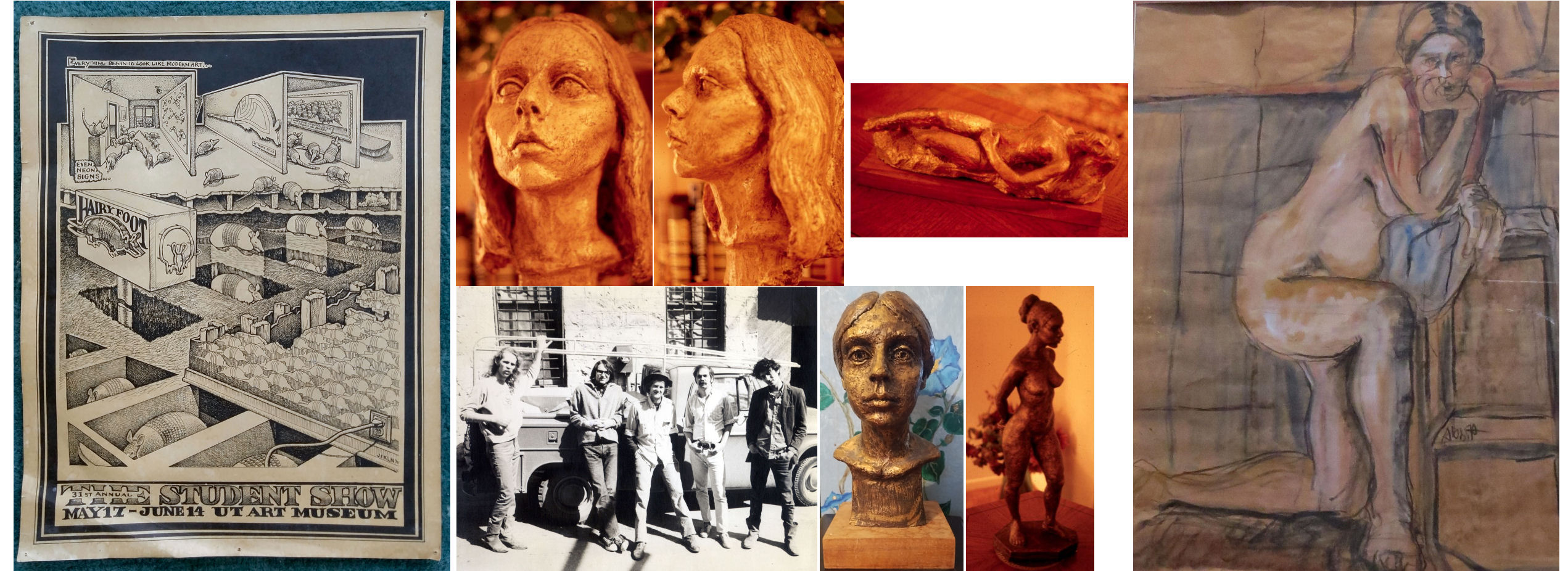
Though Jim Franklin had previously included armadillos in his drawings, perhaps the 1970 U.T. student art show poster was the first of his works dominated by armadillos. Caroline Abbitt had her senior works on display: paintings, and sculptures done under the supervision of Charles Umlauf, including busts of herself, and of her friend and roommate, Kathy Anderson. The Hub City Movers played the opening night, May 17, 1970. Kathy and Jerry did not know each other, but they would meet a few years later and wed in 1977. Caroline and I did not know each other, but we would eventually meet, become musical partners in 1973, and marry in 1977.
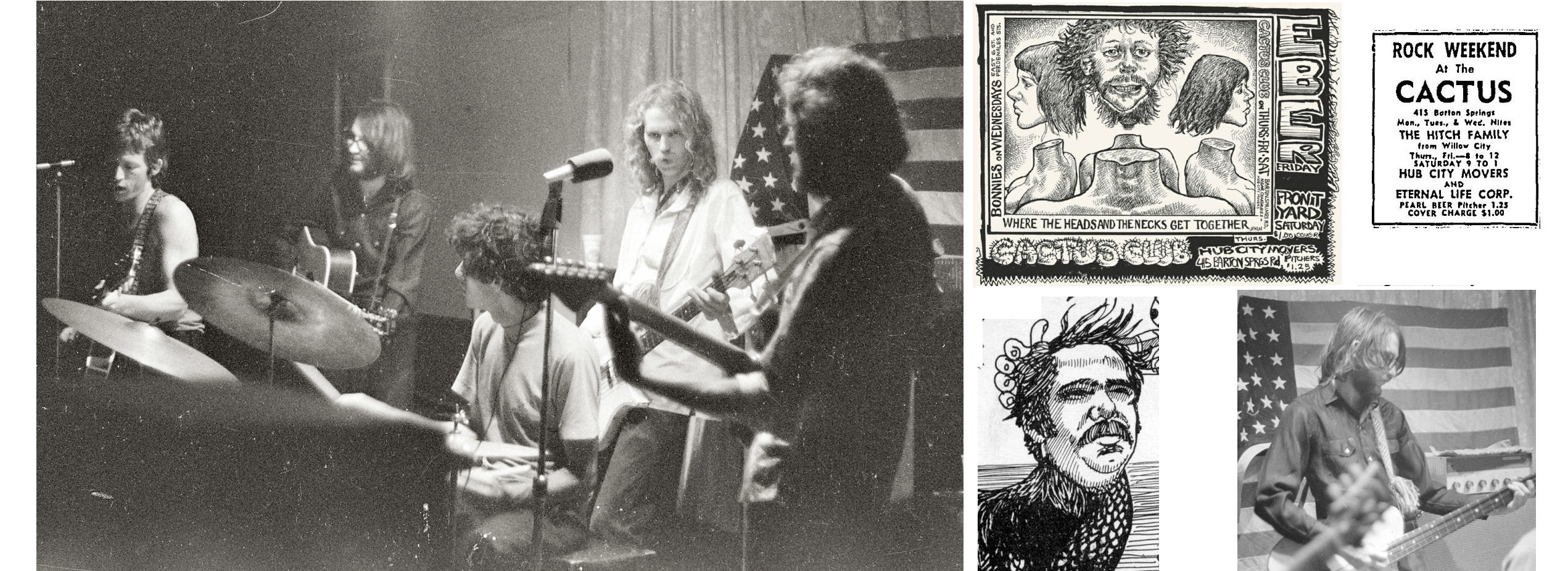
June 1970 brought dramatic changes for the Hub City Movers. The Vulcan, effectively our home base, had gone out of business. John X Reed joined us, adding another lead guitar and vocalist. The Cactus Club became our new home base, with much more of a dancing/drinking audience than the Vulcan. As a result, our repertoire had to be adjusted -- fewer of the listening oriented original/obscure songs and more well known tunes. For some, Jimmie would play bass so that I could switch to harp or second tenor sax.
June 13, 1970, we were playing the Cactus. When Eddie Wilson, Jimmie, and John were outside during a break, Eddie first laid eyes on an abandoned Army Reserve Armory next door that was about the same size as The Fillmore. That building would become the Armadillo World Headquarters.
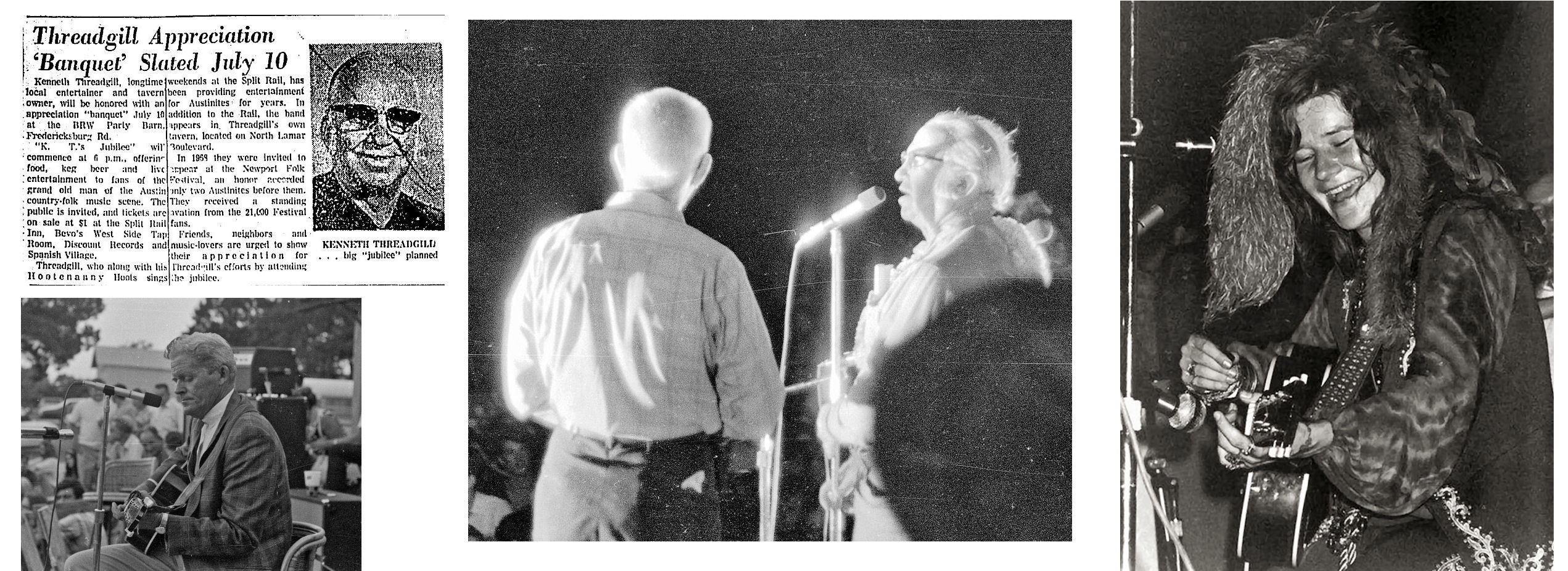
From Michael Corcoran, 12/27/21 — T for Threadgill, Father of the Austin Music Scene: "Threadgill always celebrated his Sept. 12, 1909 birth at the Split Rail, so the “KT Jubilee” in July 1970 was a “thanks for everything” tribute not tied to the calendar. A crowd of about 500 was expected at the BRW Party Barn in Oak Hill, with an advertised lineup of Mance Lipscomb, Shiva’s Head Band and Threadgill’s Hootenanny Hoots. But 5,000 showed up after Joplin checked into the Holiday Inn on Town Lake the night before, flying in from Hawaii with leis. Janis didn’t do incognito."
This was long before Corky moved to Austin, and though he usually got his facts right, I don't think there was an advertised lineup. I ran the sound system, mostly based on remains of equipment from the Vulcan Gas Company, augmented by new Sony electret microphones that Bill Dorman provided. I recorded from the console using Jimmie's Roberts two track recorder. The output of the electret mics was too strong, especially when Janis sang, but there were no pads on the console to do anything about the hot mics. Shiva’s was not there, as far as I know. From my notes on my tape reel boxes, the lineup order was Wayne Oaks, Cody Hubach, Whistler, Rusty Weir, Bill Neely and Bert McGuire, Allen Damron, Mance Lipscomb, Kenneth, Janis, Whistler, and Stan Alexander.
Again, from Corky's article: "Joplin sang two songs at the Jubilee by her good friend Kris Kristofferson, “who’s gonna be famous, I give him a year,” she said in introducing “Me and Bobby McGee.” She also sang “Sunday Morning Coming Down” for her mentor, backed by Julie Paul and Chuck Joyce, the married couple who steered her Waller Creek Boys (with Lanny Wiggins and Powell St. John) to 6416 N. Lamar in ‘62. [Bert McGuire also played that night with Janis, Chuck, and Julie.] Janis recorded “Bobby McGee” just a few days before she died of a heroin overdose in October 1970. It became her first and only #1 single in 1971." [I remember being stunned in one of my last undergraduate math classes when a fellow student reported that Janis had joined the 27 Club, so soon after Hendrix.]
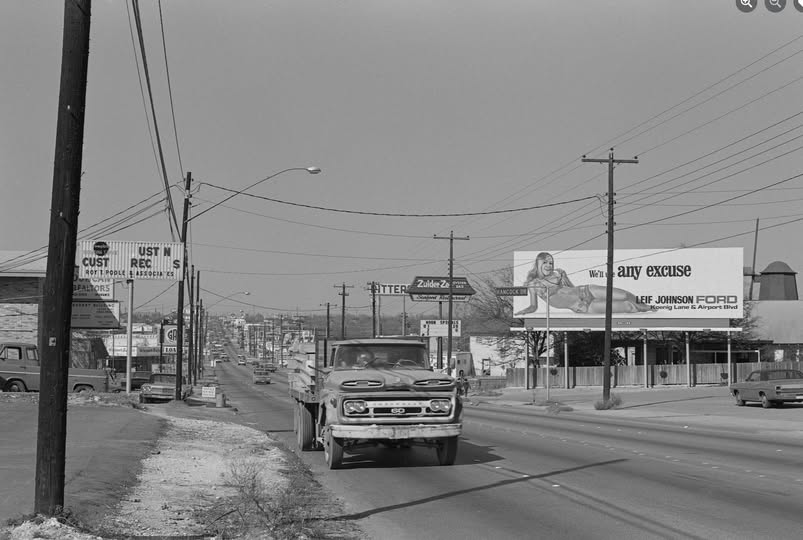
Soon after, Chuck, Julie and I met at Austin Custom Records (now Mr. Cassette) to make copies of the tapes for Kenneth. MP3s of my tapes of Kenneth, Mance, Stan, Bill, and Janis that night are at Collected recordings from the 1960s and 1970s.


Perhaps even more exciting than Janis' appearance was anticipating the opening of the Armadillo. It could be argued that the anticipation outstripped the actual event. Hub City Movers played the opening nights — my main memory is that the building was only half-full. We played AWHQ again September 25, and a benefit, but then had no scheduled gigs. The Cactus Club had been destroyed by fire. Jerry and I were frustrated trying to get gigs and disappointed that we seemed to have strayed from our original concepts and become not much more than a cover band. Driving away from the benefit, I suggested we disband and Jerry concurred.
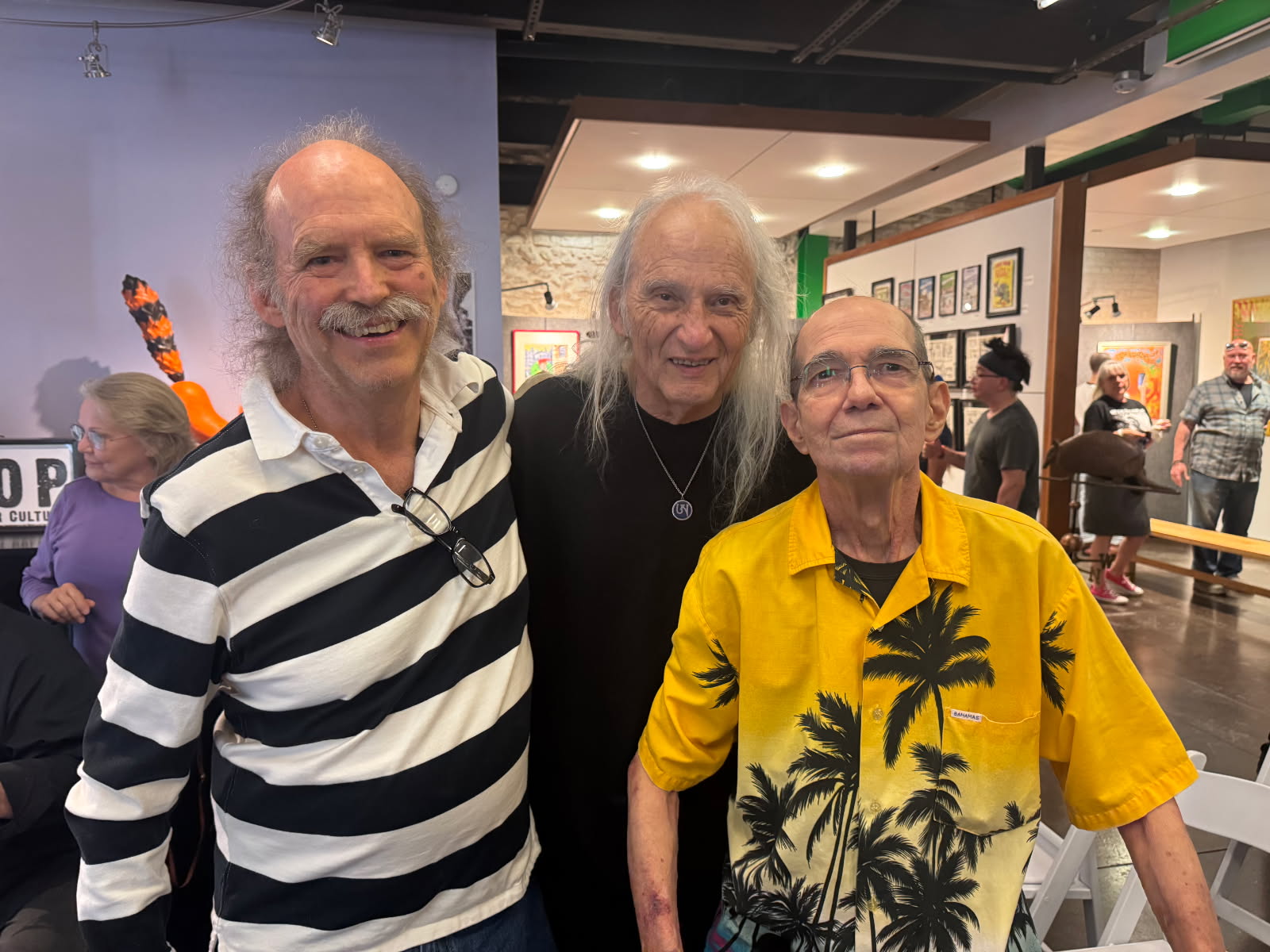
[June 7, 2026, Gavin Shelton and the Austin Museum of Popular Culture opened an exhibit of Gilbert Shelton's work "Poddy Rules The World." Jimmie, Ed and I attended the opening and participated in a panel discussion of the Hub City Movers. June 16, Ed and I were interviewed by Gavin for his "Poddy Rules The World Radio" show based in Charleston, S.C.]
 |
 |
 |
I started casting about for new band options. One option proved to be a "diamond in the rough" that I didn't appreciate and passed up. Another option seemed promising, but then chose to seek a better singer as their bass player.
I'd much admired John Carrick's "Texas Rangers" when they played VGC in 1969 and helped him try to get something started. We played some gigs at the I.L. Club. It turned out that John had tremendous connections from his mother's Sand Mountain club in Houston — he got Billy Gibbons to sit in with us one night. However, there were complications that I mishandled and clumsily disengaged.
I was still stumbling along academically, withdrawing from all my classes in fall 1969 and not even registering for spring 1970. I accepted it was time to try to finish my B.A. in math, which I barely did in December 1970. Without a better plan, and adequate test scores, I applied for graduate school in math but was rejected — I was obviously not a good candidate based on my history.
As Caroline later put to song, I concluded “playing in bars, night after night just don't seem to make it.” In retrospective moments these days I tell people "If Jimmie Vaughan was having trouble making money playing music, how could I think I could?" I don't know that I consciously did think that, but I did consciously decide to give computers a chance again, try to get a programming job in a bank, and play music for fun.

I registered for three classes in spring 1971: Philosophy 359 - Symbolic Logic (appropriate to programming), Music 269L - an electronic music composition lab course, and CS 404G - Introduction to Computer Sciences taught by Prof. Angus Pearson. Angus (and later his wife Erna) would inspire, mentor, and befriend me, as I started on a new path.
CS404G, as Angus taught it, was primarily lectures and homework based on Knuth's Volume I - Fundamental Algorithms plus a T.A. taught laboratory section on Fortran. So I quickly made peace with Fortran. Angus wanted to help accelerate my learning so suggested I audit CS310, an assembly language course, since I had missed the registration deadline for that class. Angus involved me in an eclectic collection of science exhibits in the Union Ballroom to tend to and demonstrate a PDP-8. That machine had minimal software and peripherals, so I had to figure out how to program in Basic, punch the programs onto paper tape and feed them into the machine.
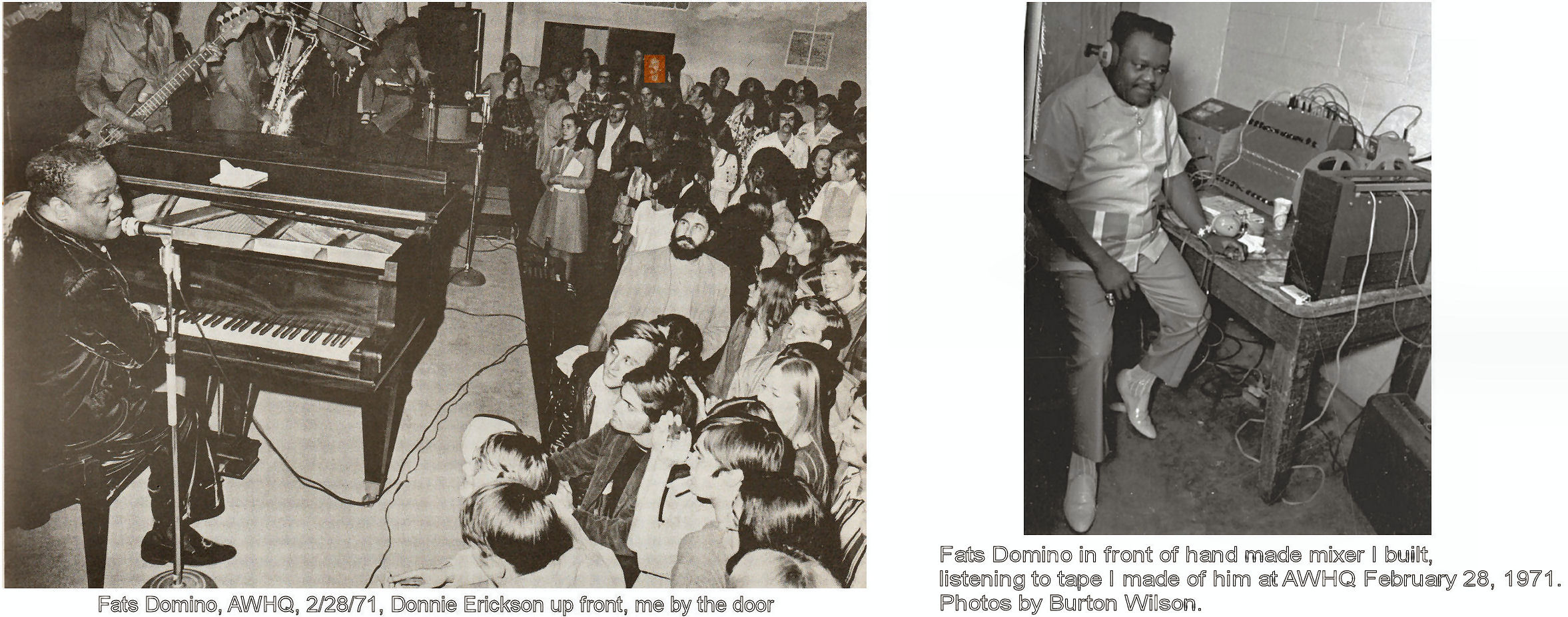
AWHQ had continued on, not thriving but not folding. I stayed loosely involved, mostly trying to help with the sound systems. I cobbled together a 16 channel mixer based on a collection of discrete circuit pre-amp cards that had originally been intended for a new mixer at the Vulcan and then were passed on to me by Sandy. Some exciting artists started performing at AWHQ, and I started recording them: Fats Domino, Mance Lipscomb, Ravi Shankar, Storm, ... One of those Storm recordings was released as part of the Jimmie Vaughan Story. I've made some of the others available at Collected recordings from the 1960s and 1970s[1,2].
What I was learning inspired me. I applied to graduate school in computer sciences, but was rejected — the faculty and I knew I was serious, but that wasn't yet sufficient. I took the junior level data structures and programming languages courses in the summer session. Finally, I was admitted to graduate school.
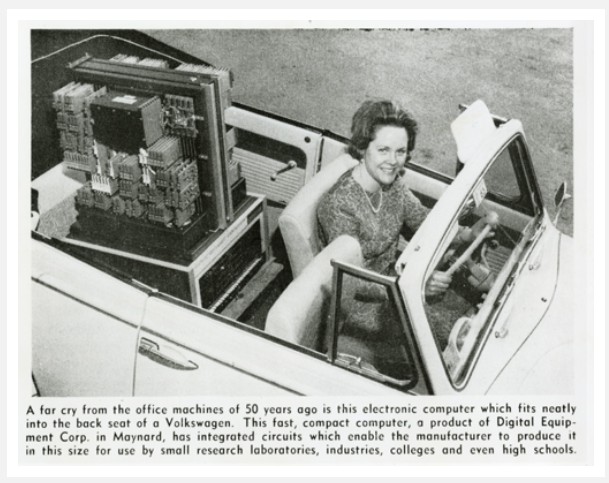
In the fall I took the senior level operating systems and compiler construction courses, taught by John Howard and Erna Pearson, respectively, along with other beginning graduate students. I learned much from both of them, but my most vivid memory of those classes is the day John stood in front of us predicting there would soon be computers that would fit in the palm of his hand. At that point, the smallest computer I'd seen was the PDP-8 in a 19" rack, taller than me.
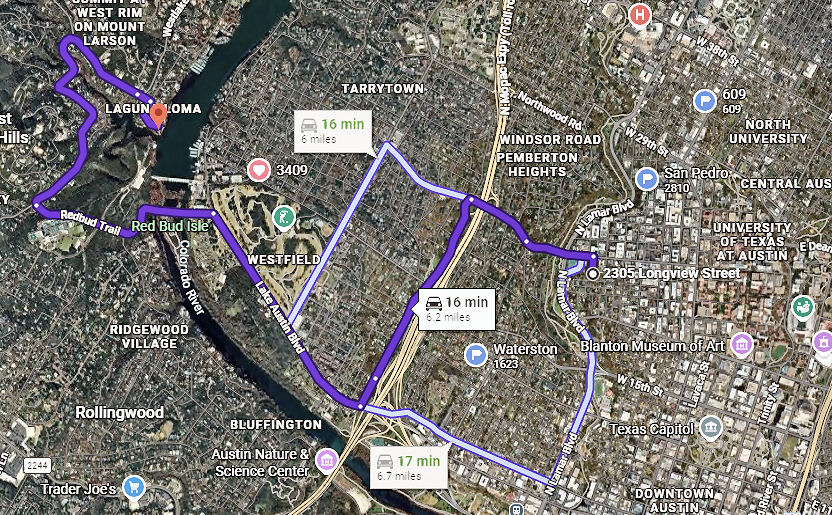
I thought my days as a professional musician were over. But then Chuck Joyce rang me up and asked me to play with “Mullet,” telling me that Denny Freeman was joining — how could I say "no?" So every Friday and Saturday I’d cram my bass, amp, and cabinets into the back seat of my '64 Beetle and wander through West Lake Hills to play with Denny, Chuck and Julie at Lake Austin Inn. The music made it worth it, as did some of the guests that sat in, including Kenneth Threadgill and Jimmie Vaughan. We got to play for Jane Fonda at a private party and on air on local television. I think I made more money, more consistently, than any other time before or since playing music[3].
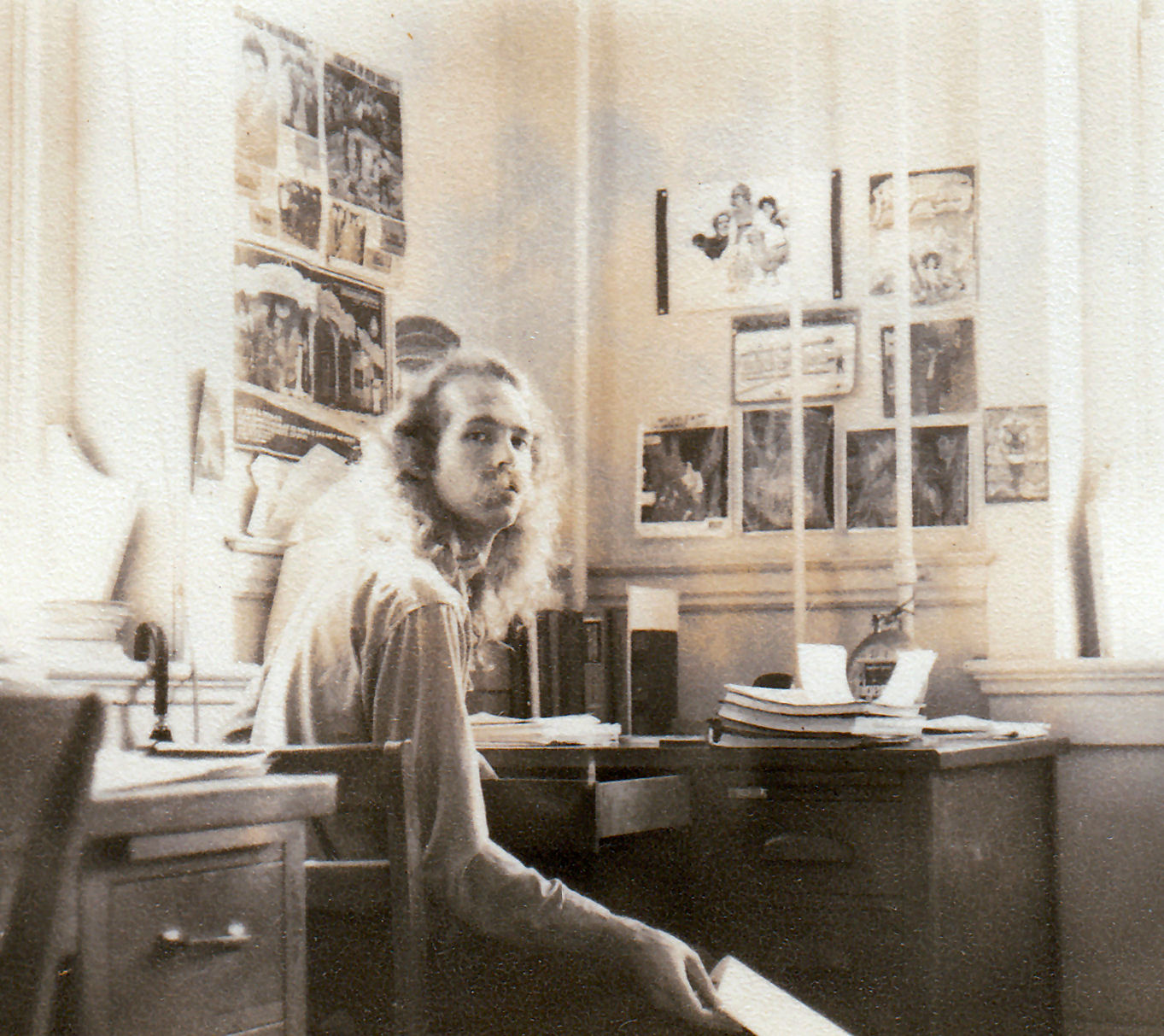
Computers were even more engaging to me then, and when Angus offered me a teaching assistant position starting January 1972, it was time to leave Mullet. I questioned whether I was really ready to be a T.A., but Angus assured me I was.
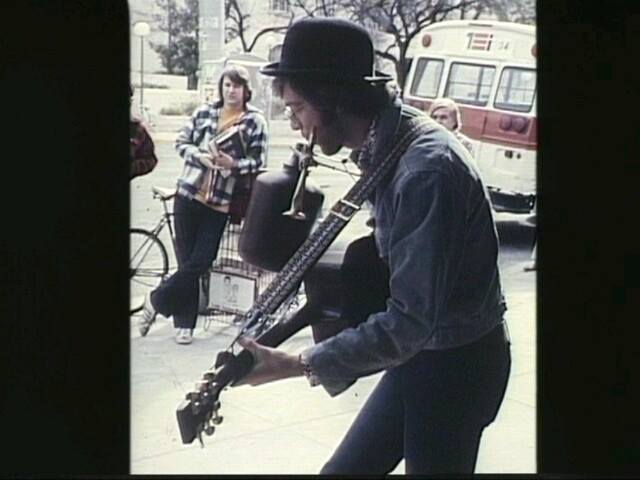
Jay Bell was many things — he performed as a one man jug band, in the style of Jesse Fuller. Jay and Robert Burns were critical to the early PC's Limited (Dell) products[4]. Before that I met them, and they first met each other, in 1972 in the Fortran lab section I handled as a teaching assistant. Two decades later we reengaged at Dell. Jay went on to be a Dell Fellow.
I started taking "real" graduate level courses. In particular, "Advanced Operating Systems" taught by J.C. Browne. Rather than textbooks, Jim had us learn from seminal published papers — I still have a stack of papers from that course. Jim was then of the belief that the important issue in operating systems research was analyzing and modeling system performance. He convinced us that we needed to learn from Mani Chandy, then new on the faculty, and take his "Systems Modeling" course when offered in the fall. I continued to take the other recommended courses that spring and summer, but the real anticipation was starting to learn from Mani.
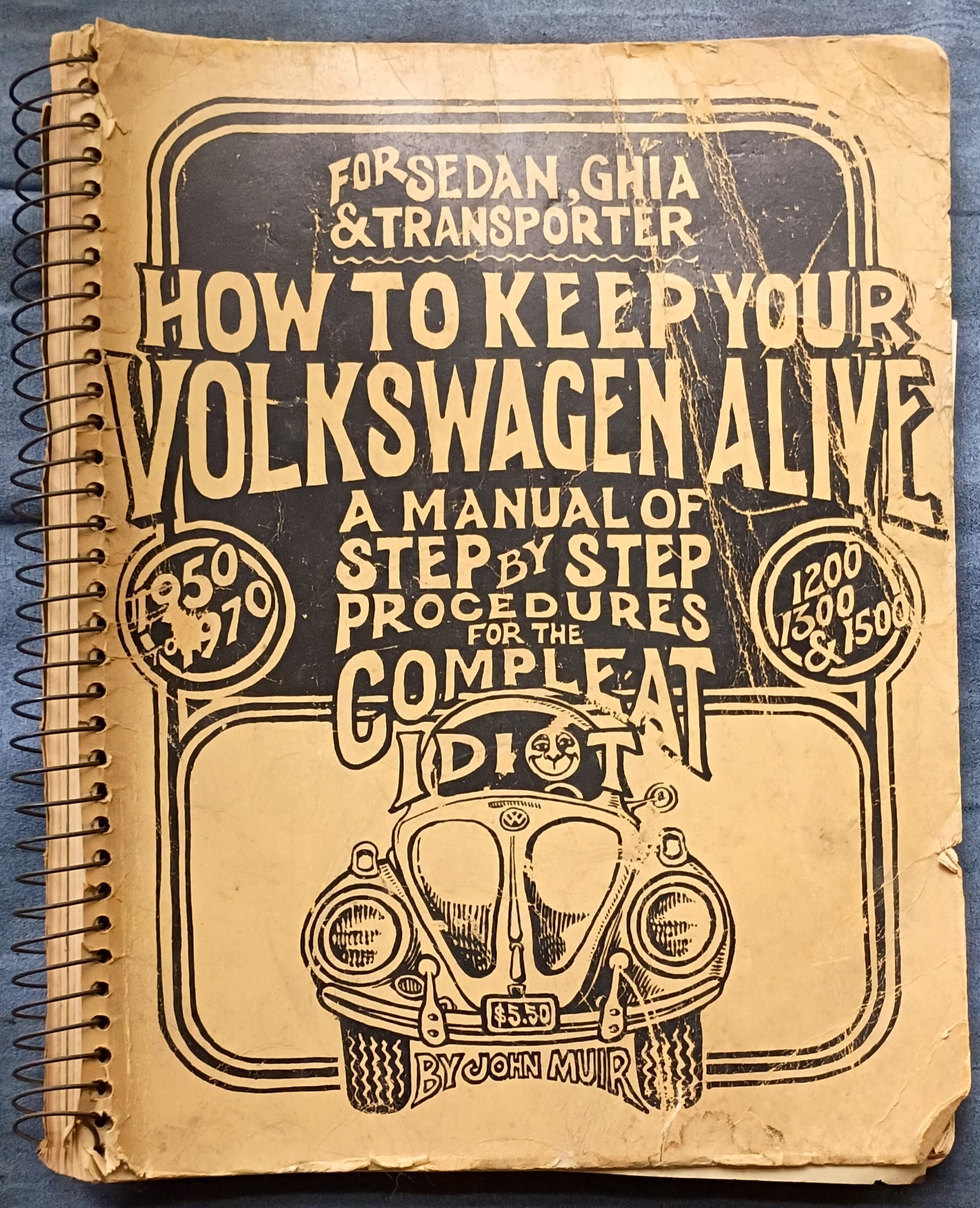
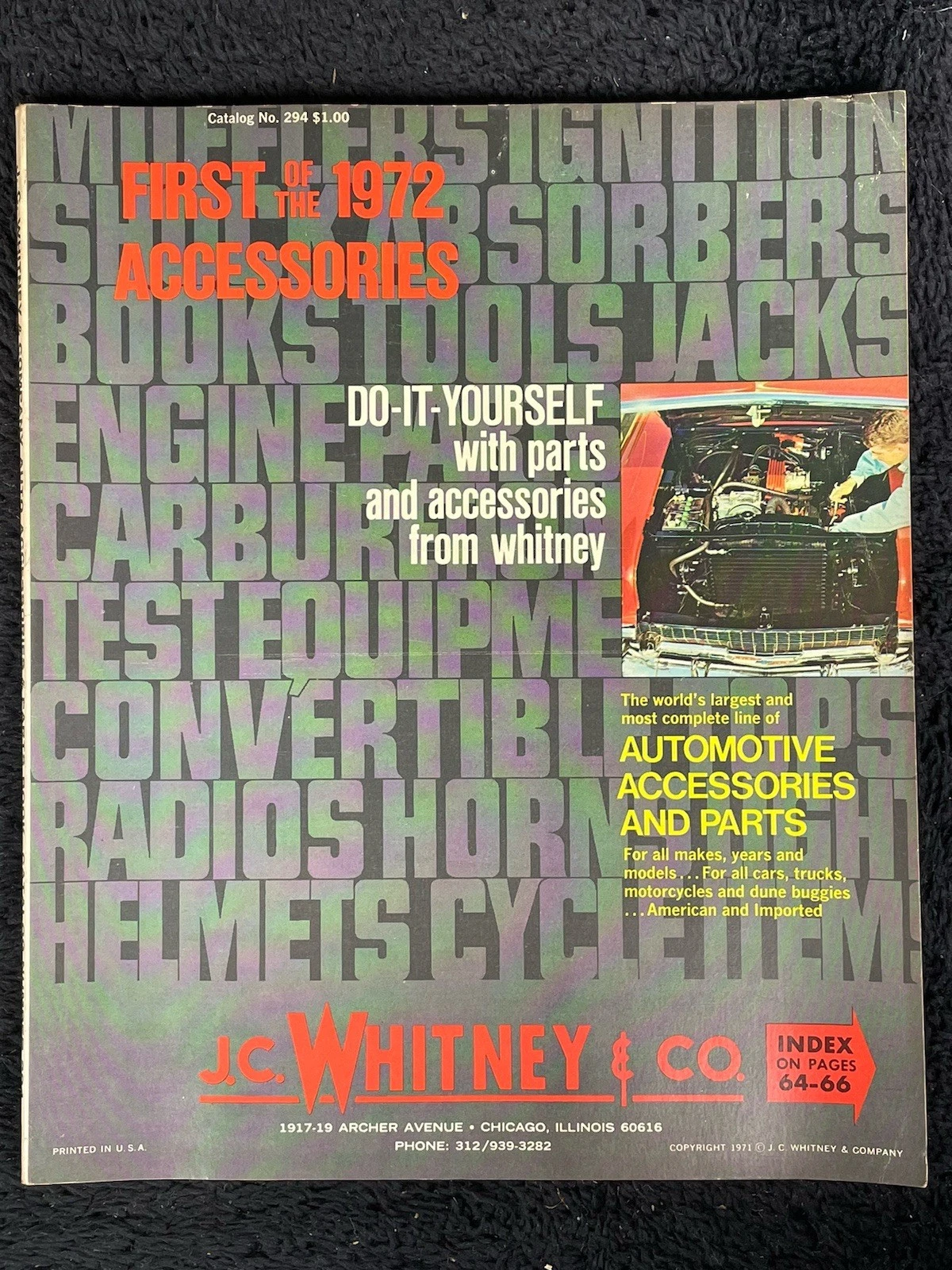
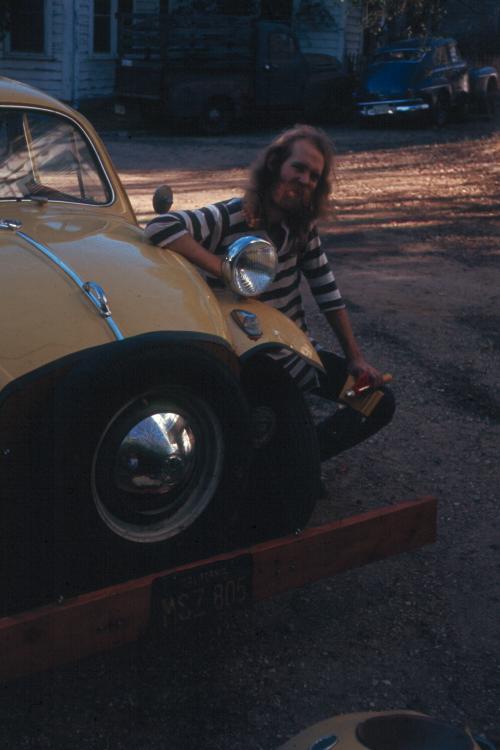
I had been dissatisfied with the VW repair shops I used in both San Francisco and Austin, both because of cost and of problems with their work. I discovered Muir's How to Keep Your Volkswagen Alive and used that book as my reference. When feasible, I ordered parts from the JC Whitney catalog. An uninsured driver smashed the (rear) engine hood while I was stopped at an intersection. Rather than get him into trouble, I accepted his offer to pay for a junk yard replacement hood and a $39.95 Earl Scheib paint job. The fading red paint was covered by a coat of bright yellow. Subsequently, I damaged the front bumper/lights/hood enough to make them not easily repairable. Inspired by others "customizations" of their VW's, I chopped off the front, and added non-standard headlights and a wooden bumper.
I continued to take the recommended and requisite courses toward a Ph.D. in operating systems. I didn't have a clear career path, but I thought I might want to be a professor in a small college town — getting a master's degree would just delay that.

Mani based his first system modeling course on Drake's Fundamentals of Applied Probability Theory. With politicians now trying to reverse our country's history of welcoming immigrants, Drake's; dedication page reminds me of our proper path forward: "To this Great Nation, which has allowed millions of refugees, including my parents, to enter a land of freedom and opportunity."
Drake emphasizes Bayes' Theorem, Bernouilli Processes, Poisson Processes, and Discrete-state Markov Processes, all of which were fundamental to my learning from Mani and my work for the next decade. One of my clearest early memories of Mani is of him telling us that we must ingrain Bayes' Theorem in our thoughts the way a Christian should ingrain Christ's Great Commandments.
The other big change that fall was Erna Pearson hiring me as her Teaching Assistant for her compiler construction course. Though my primary role was grading student assignments, it was still an honor.
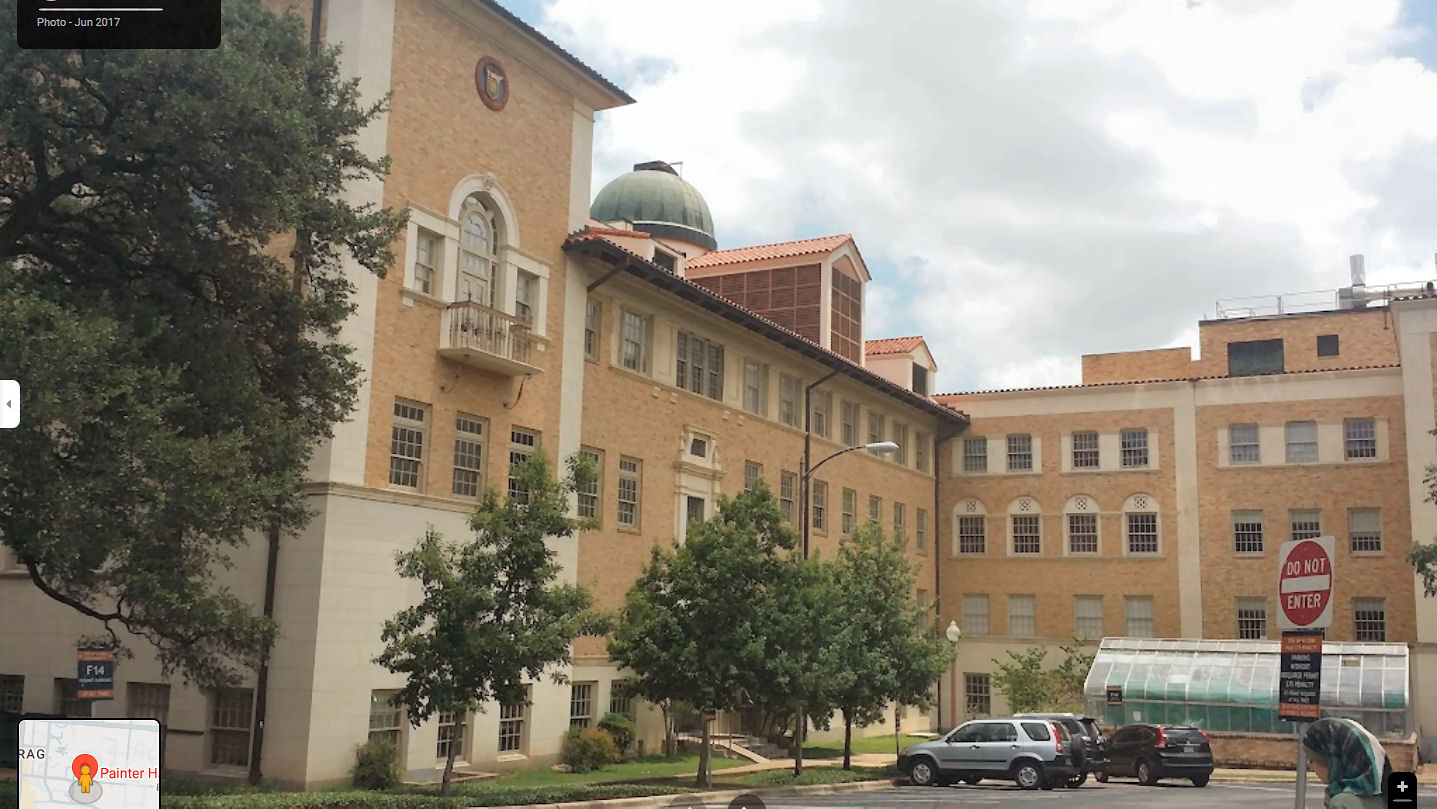
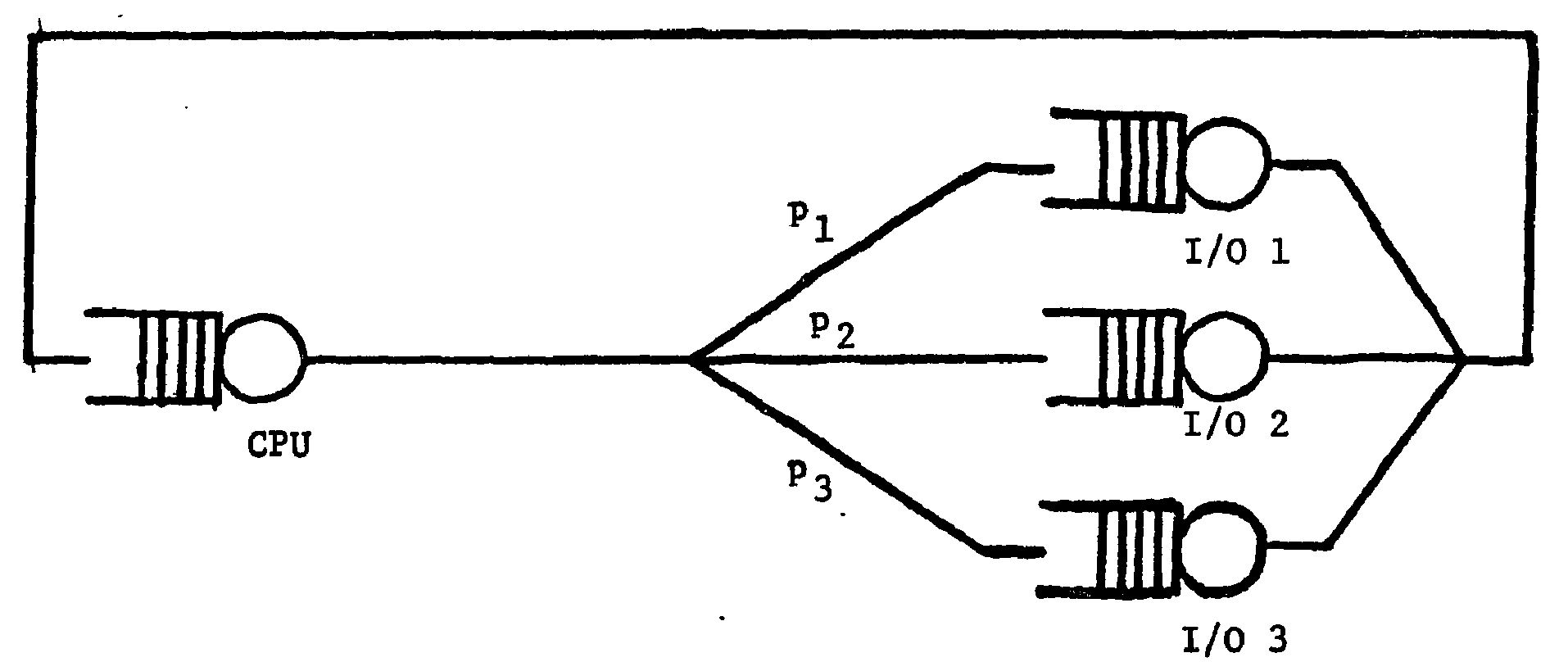
I asked Mani to be my supervisor for dissertation research. He hired me as a research assistant. I moved offices from the main floor of Painter Hall with the T.A.'s to one on the top floor near Mani's. I began to share an office with Joe Duran — Joe and I would become close friends, colleagues, and co-authors of Mainstream Videoconferencing. Mani taught the second and third installments of his system modeling courses. Daryl Foster, Clint Waggoner and I agreed we were going to need a simulation system to validate our anticipated system models based on queueing networks. The most exiting models of computer system performance at the time seem to be those based on networks of queues representing tasks waiting for availability of the main processor and the essential peripheral devices such as disk drives, particularly the so-called "Central Server Model." We devised a specification for a "Queueing Analysis Language," (QAL). Pat McGehearty created an implementation of that language for his master's thesis — the four of us co-authored our first academic publication[5].
In February Jerry Wexler commissioned demo tapes of Southern Feeling. Angela asked me to be the engineer. Steve Shields didn't really need any help in that regard, but he thought someone needed to act as producer and asked me to fill that role. I wasn't prepared to assert myself that way, so the recordings basically captured the material as if it were being played in a club, with no extra parts.
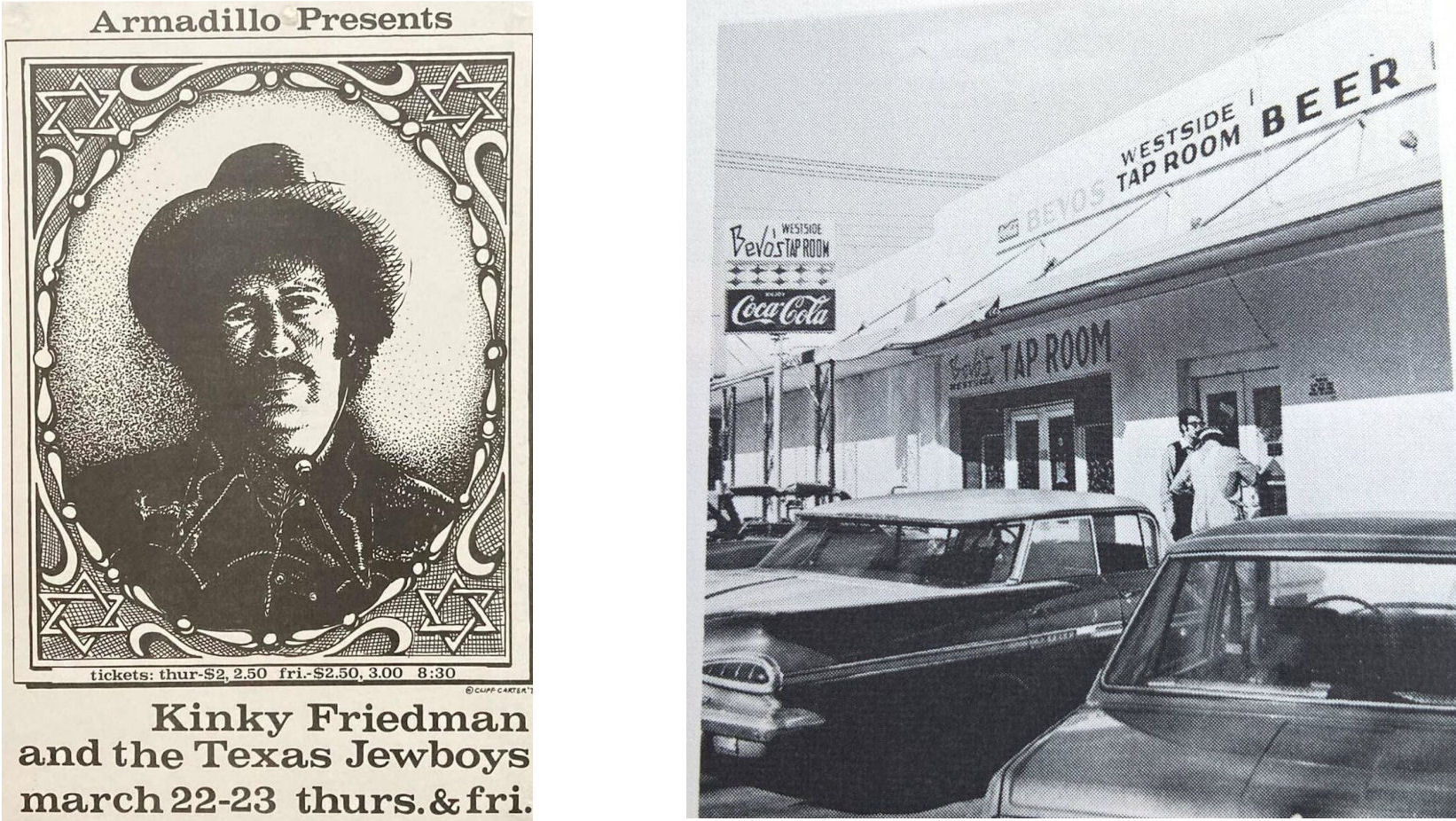
I still wanted to play music part time. I started playing bass with a bluegrass band, Texas Instruments (Leon Grizzard, Lisa Rogers, Johnny Thompson, me). We were second billed at AWHQ March 22, 1973. That was the last time I played at AWHQ. (Lisa noticed on stage that I had tuned my bass down two steps, because the neck was cracking. She asked that I keep that secret so that Johnny wouldn't be even more nervous.) Texas Instruments Saturday night residency was at Bevo's.
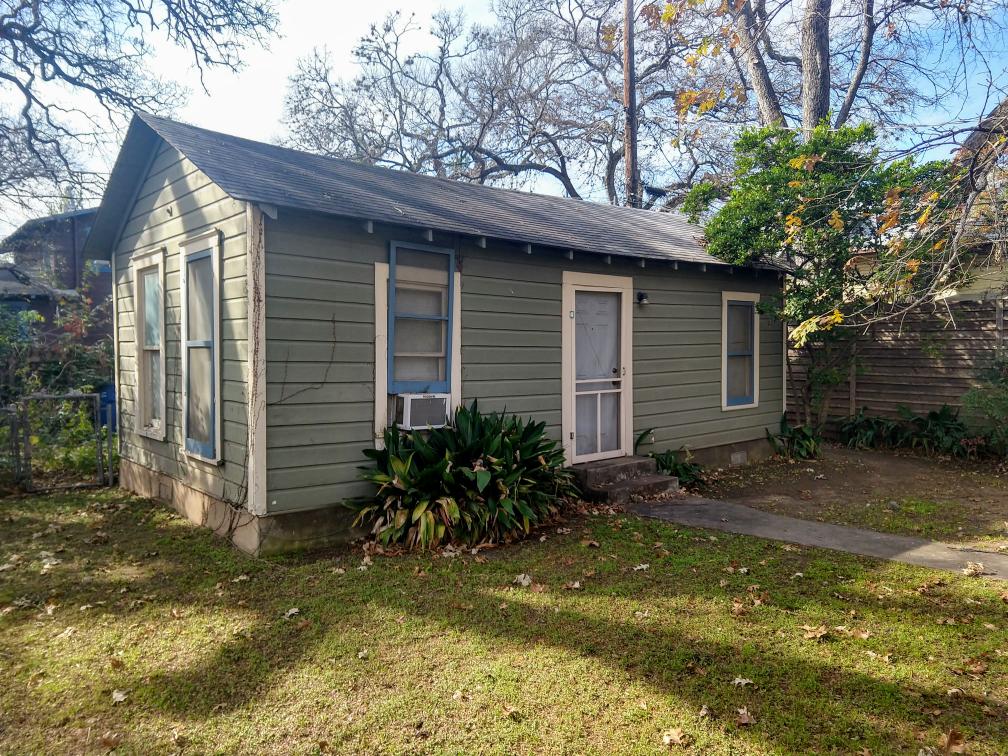

I hardly knew Caroline. I knew she had supported herself as a seamstress, and knew that I liked her cats. I mainly remembered her dramatic entrance at a casual party in a stunning antique Christian Dior suit. I didn’t know that she also was a ballerina – painter – sculptor – singer – songwriter. A mutual friend said, “Why don’t you play with Caroline?” Our friend told me of Caroline being invited to Luckenbach by Jerry Jeff Walker, meeting Ramblin' Jack Elliott there, and singing harmony with Elliott. She knew all of his songs and told him of singing along with his records while washing dishes. Elliott was duly impressed and told her she should do more musically[6]. Caroline came to my place, played finger-style guitar as well as anyone I knew, enchanted with her own songs, and belted out classics, while I played harmonica. She exclaimed that I sounded like Paul Butterfield (I might have aspired to sound like Tony Glover or Brian Jones). Caroline married John White at the courthouse. She, her father and I would first play together at the subsequent reception. The three of us would play together many times in the next decades.
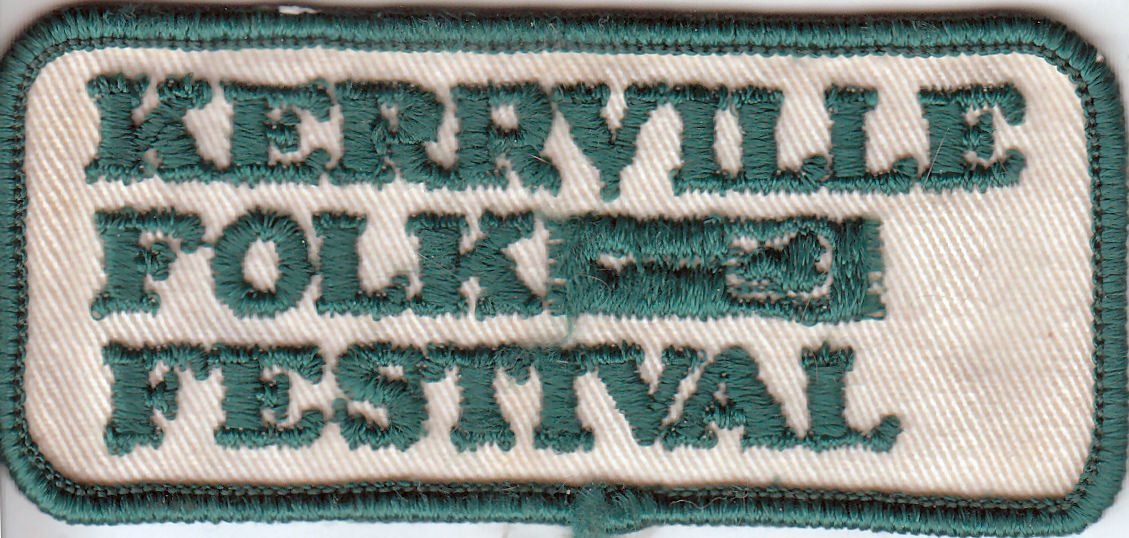
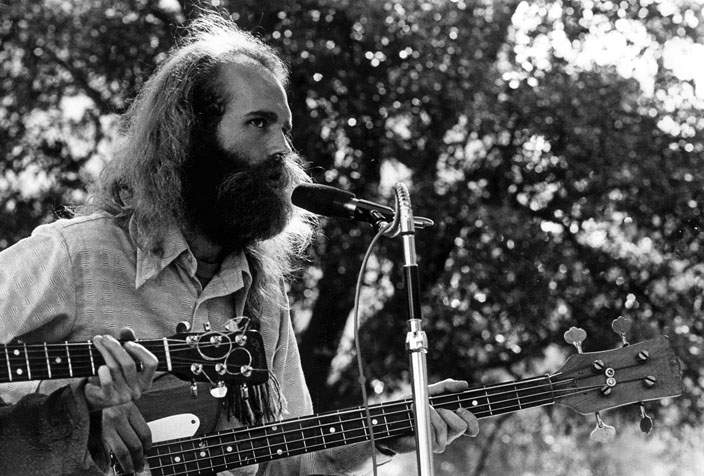
Jerry Jeff got us to play second-billed at one of his regular gigs at the original Saxon Pub. We made a demo tape of Sweet Baby Blues for submission to the fledgling Kerrville Folk Festival. We played that song and Dirty Phone Calls at the May 26, 1973 New Folk session — the first time she wanted me to play bass on a song. We started playing together regularly. Whenever she had a new song, I would record it.
At a point when I was particlarly discouraged, and told Caroline of my frustrations, she could have encouraged my thoughts of abandoning my doctorate ambitions and urged me to focus on our musical partnership. Instead, she wrote My Good Friend to encourage me to keep on keeping on.
Angus and Erna were opera fans. They tried to overcome my aversion to opera by taking me to a touring company performance of Verdi's Aida at Municipal Auditorium. I remember that as a pleasant evening, but that remains the only opera I have seen in person.
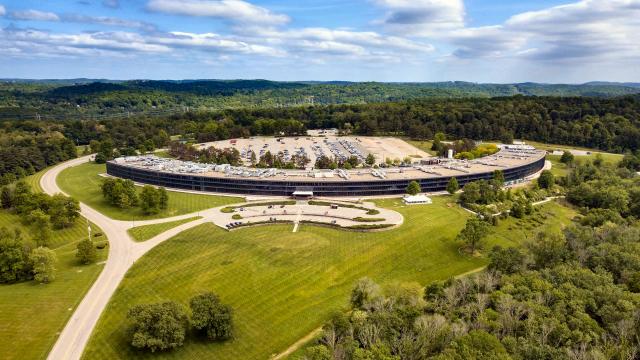
Mani started spending summers working at the IBM Thomas J. Watson Research Center in Yorktown Heights, New York. He arranged for a contingent of senior people from Yorktown, including Phil Dauber, then director of computer science at Yorktown, to come to U.T. to speak about the work at Yorktown. That center was clearly one of the premier groups of computer systems researchers, and especially, performance modeling researchers.
Mani, working with Ulrich Herzog and Lin Woo at Yorktown, had developed some promising new approaches to overcome computational obstacles to getting results such as average waiting times for queueing network models, including central server models. My initial dissertation research focused on bulding on what they had done to get results for even more complex models. The results of that research were the basis of chapters IV "Efficient Numerical Solution of Queueing Networks" and V "Approximate Analysis of Central Server Models," and subsequent publications.
After delay from mysterious abdoinal illnesses, I finally was ready to take the "qualifying examination" required for formal candidacy for a Ph.D. As I recall, that consisted primarily of two all day sessions of written exams across the spectrum of Computer Sciences graduate level courses at the time. I was expected to excel in the systems portions, but there were also difficult sections on theory, artificial intelligence, languages and other topics. I far exceeded my expectations. Reportedly, I also exceeded the expectations of the faculty as a whole, with performance above the level of any past candidates.

Wally Stopher [more recently, "Henry"] was best known as "Oat Willie" for his infamous candidacy for Texas Governor in 1968, and for the campaign slogan "Onward, through the fog," coined by his late partner, Linda Miller. Wally would regularly stop by my place at 1623 Waterston, and I would record him when he brought his guitar and amp. I was immersed in working on my dissertation when Wally came to my door and announced "this is Roky Erickson" — my jaw dropped. They came by a couple of times. Roky let me copy a cassette he was carrying and let me tape him playing my upright piano.
Mani and I thought the most important discoveries in my research were the approximation techniques, but there needed to be some way to validate those results, presumably with simulations. Mani thought the prior QAL work too inefficient for my purposes and not rigorous enough. So I was challenged to come up with something better. That led to the work for Chapter VI "Simulation of Generalized Queueing Networks." Newly published results from Crane and Iglehart on confidence intervals for simulation results would be the basis for the rigor I needed. I produced a revised language for describing the networks to be simulated, overcoming what I perceived as the deficiencies of the prior QAL. My simulator handled a difficult situation with confidence and assurance, so I named it "APLOMB"[7].
Besides finishing the research, writing it up, and getting professional drawings and typing, the obvious question was "where should I try to work after completing my degree." I still had leanings towards trying to pursue an academic career, knowing I would have to leave Austin. I interviewed at the University of Arkansas and the University of Maryland. Neither of them seemed like a comfortable destination. In fall of 1974 I went to interview at Yorktown in spite of trepidation about New York in general and IBM in particular. The trip went amazingly well. I discovered that Yorktown was not urban at all in spite of being just 30 miles from Manhattan. I visited Washington Square and was entranced by the musicians there. But most importantly, I felt immediately comfortable with the professional environment and the people at Yorktown. The application form had a place to specify what salary I required. I put down $20K/year, a high figure at that time. I told myself that if IBM offered me that, I would accept. They offered. I accepted.
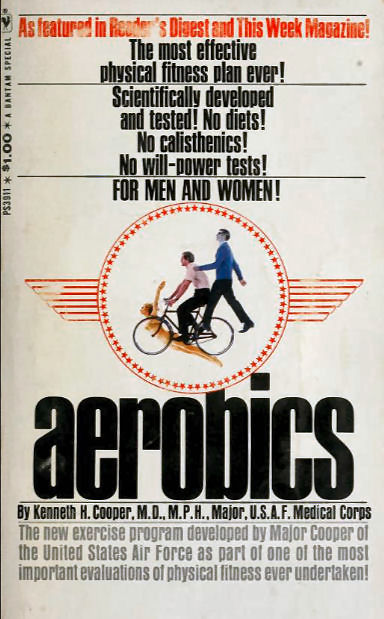
For several years I had been inspired by Cooper's aerobics — that was part of my inspiration for cycling as primary transportation. Lucy's friend Stanley Lombardo encouraged me to run more. One morning, Stanley, an accomplished sprinter, tried to pace me to run a 6 minute mile, but it took me 6 minutes 25 seconds. On weekends, Lucy, Stanley, Don Towsley (another of Mani's Ph.D. students) plus an eclectic mixed gender group of friends would gather in Pease Park for jogging and informal soccer matches.
In February 1975, knowing that my departure was imminent, Caroline, other friends and I gathered to make multitrack recordings of her songs and what was intended to be the soundtrack for a sand-painting animation that Jack Moore wanted to create. I first became a New Lost City Ramblers fan when the Elektra "The Folk Box" compilation came out in 1964. The NLCR version of "No Depression in Heaven" was included — my first awareness of that Carter Family classic. In 1969 I found their "Remembrance of Things to Come" LP in a cut-out bin at that summer's "Texas International Pop Festival" in Lewisville. I have a large collection of LPs -- that LP has probably been played as much as any of them. I loved seeing Mike Seeger of NLCR perform alone for a group of roughly 20 of us in the Batts Hall auditorium at UT-Austin in the early 70s. I learned "Soldier's Joy" and "Black Bottom Strut" from that NLCR LP. My playing doesn't compare to NLCR's, or the 1931 Three Stripped Gears' record, but we included my versions for the soundtrack.
My defense was March 6. Movers had already come to take my possessions to Yorktown and I had sold my Beetle. The defense was mostly celebration of what I had accomplished. John Howard challenged me with an integral calculus problem totally unrelated to my work. He said successful candiates needed to be able to handle problems like that. Though surprised, I gathered myself, went to the chalk board and produced a satisfactory solution. A decade later, when John was one of the leaders of the Andrew Project, we would become competitors but ultimately collaborators. Committee member Terry Welch would go on to co-invent the LZW algorithm that is part of now ubiquitous GIF files. March 9, Angus and Caroline took me and my three cats to Mueller Airport for my flight to JFK. My IBM start date was March 10, 1975.
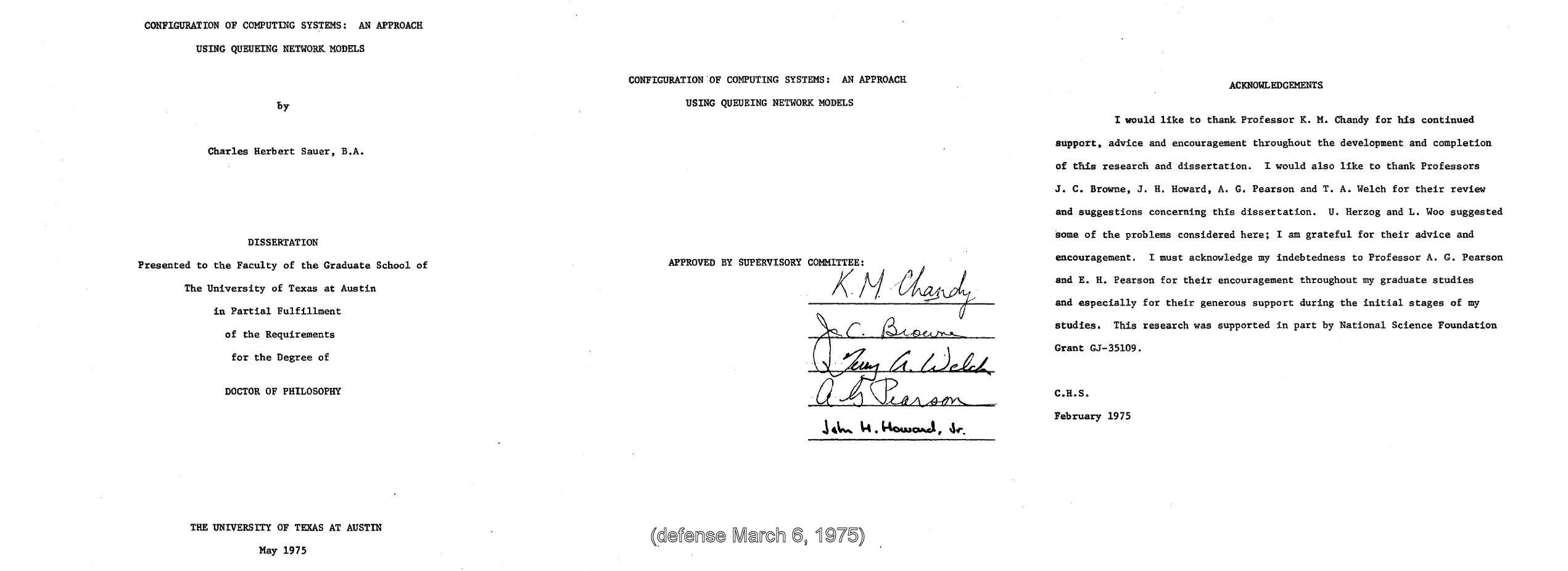
As I started to fit in, I was amazed and in awe. Les Bélády was in the office next to me! I knew of Les' pioneering work in virtual memory from studying his papers in Jim Browne's operating systems course years earlier. Les asked me to handle refereeing a paper that he thought suited me better than him — the first time I had been asked to referee. (After Les came to Austin in 1984 to be an executive at MCC, we would see each other around town and stop to chat, typically at the food court at Barton Creek Square.) Before starting at Yorktown, I wasn't aware of the breadth and importance of John Cocke's work — was mainly aware of his optimizing compiler work. It was gratifying that he would acknowledge me in the hallway, even if we didn't have real conversations. Pat Goldberg seemed to go out of her way to make me feel welcomed, as did many others. I didn't have memorable contact with JPEG pioneer Joan Mitchell, but eventually realized she was our next door neighbor in Ossining.
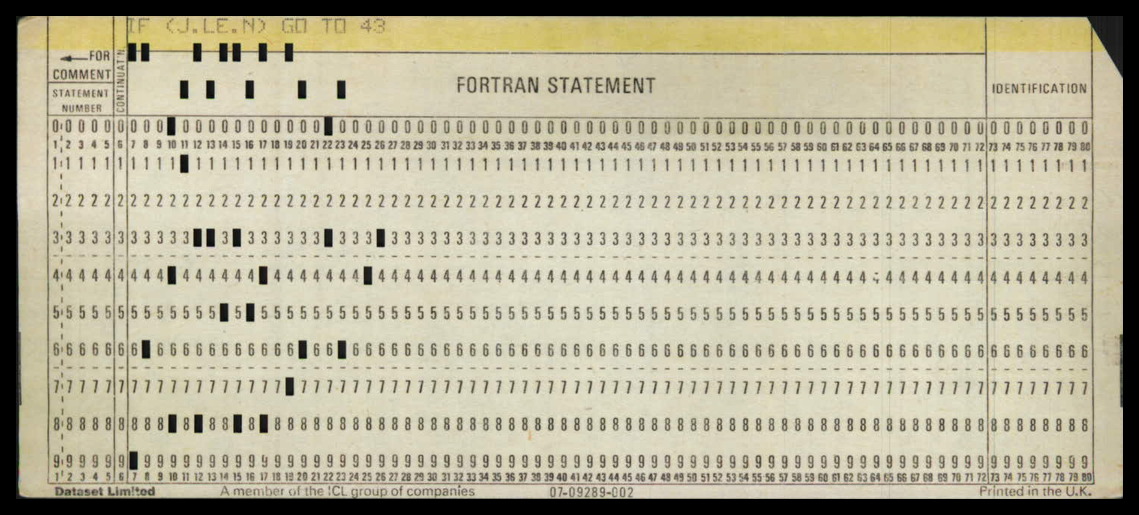
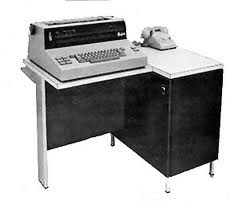
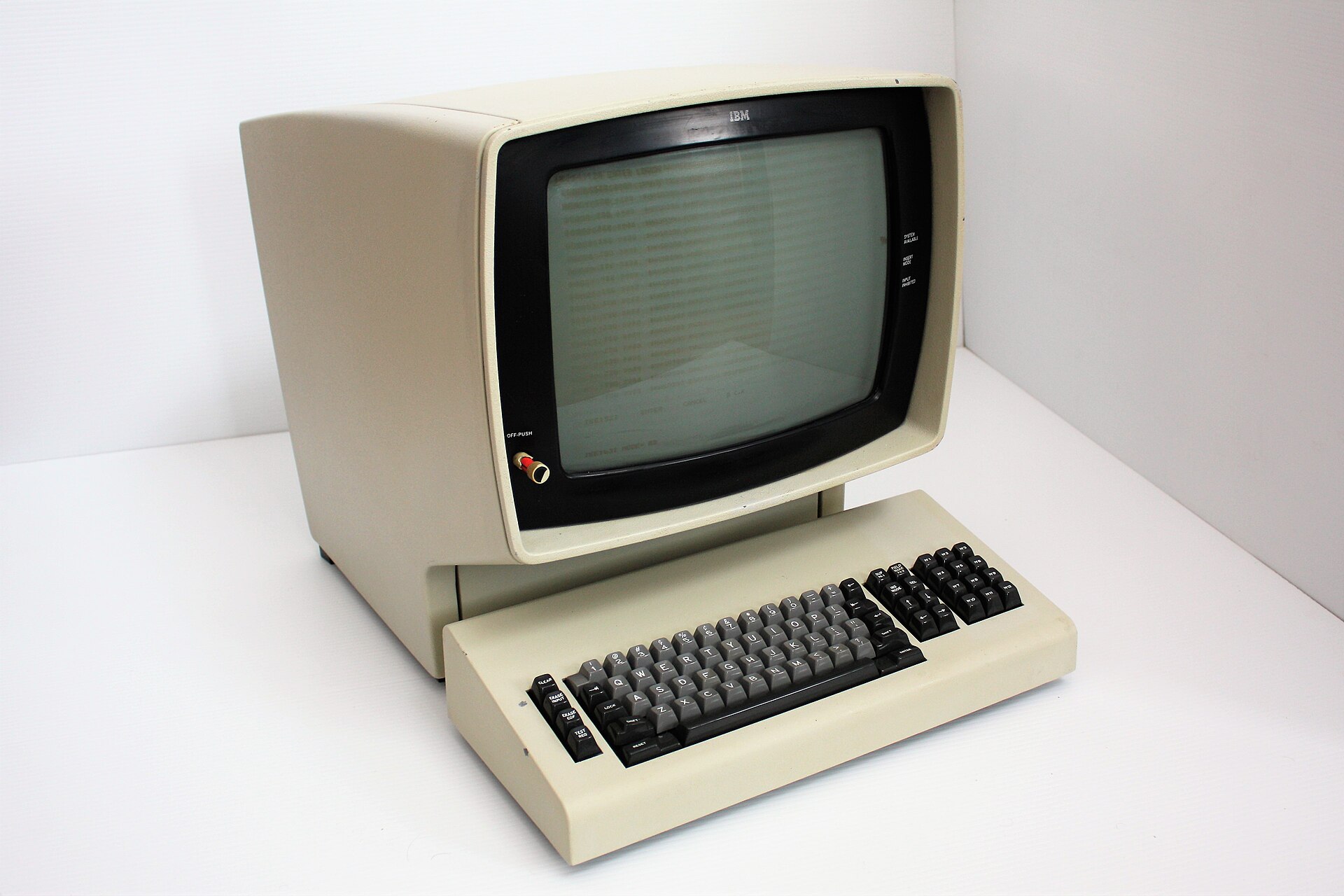
The upgrade in computer facilities from UT to Yorktown was dramatic. Up until the last few months at UT, all my programming was with punch cards submitted as batch jobs to the comp center CDC machines. Computer processor time was charged by the hour. I typed my dissertation on my high-school typewriter (and had it professionally re-typed for submission). Part of what the movers took to New York were a couple of cartons of punched cards containing my dissertation programs, all in Fortran. Each carton was 2,000 cards, so those programs totalled 4KLOC ("thousands of lines of code"). Once those cards were read at Yorktown, my use of punched cards was over. At first I used 3270 CRT terminals in a room a few doors down from my office. Since I was learning to use VM/370, being in that room allowed me to ask questions of my colleagues and get their suggestions. Soon I started using an ancient IBM 1050 terminal that I got installed in my office. (Ken Thompson, co-creator of Unix, recently posted "most of the unix people used an ibm 134.5 baud terminal. i think the designation was 1050. it was a desk of electronics with a selectric typewriter on top." He also revealed that Unix was originally developed using paper tape fed into their PDP-7 and that the name evolved from Multics to unics to unix when the tapes were labeled.) That 1050 was replaced by a 3270 when one became available. I used SCRIPT for document preparation, sending draft copies to Versatec devices and camera ready copy to APS5 phototypesetters. (Later, 6670 printer/copiers became primary, with APS5 reserved for book and similar publications.) Cost of computer time wasn't something I was concerned about. One month I used $50K of computer time. My manager received a letter asking if my work justified that usage. He showed me the letter and told me to keep doing what I was doing.
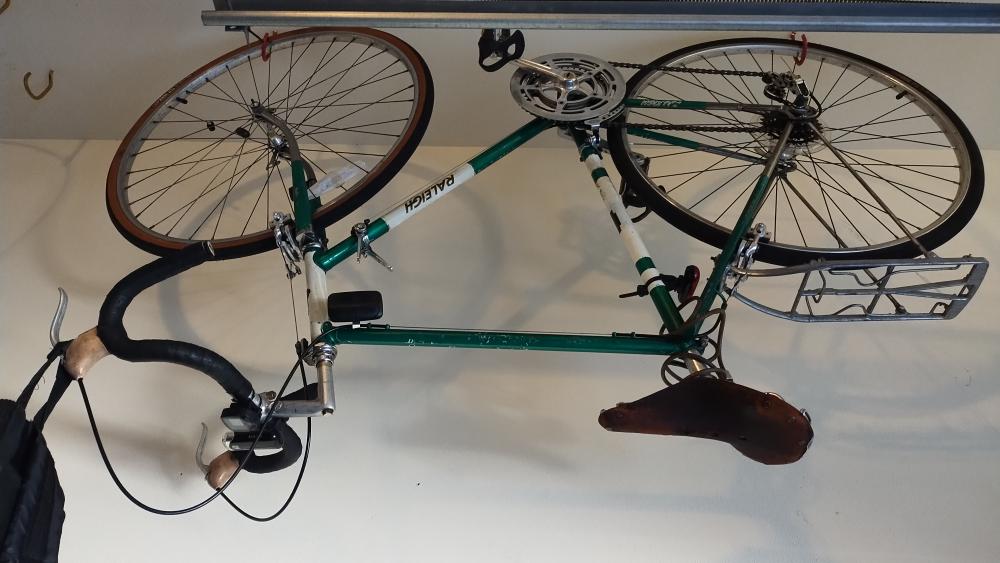
I considered trying to purchase a home, seriously looked at one a few miles from the lab, but decided to try to find something to rent. I saw a newspaper ad for a garage apartment at 40 Hawkes Ave in Ossining and rented that. It was on a dilapidated 8 acre former sheep farm with a spectacular view of the Hudson River. That meant a 5 mile bike ride to the lab, practical even in bad weather, idyllic the rest of the time. Based on a top rating in Consumer Reports, I bought a Raleigh Supercourse MkII at the nearest serious bike shop in Pleasantville — I still have it and ride it, with mostly original parts. I kept my old discount store Trek bike as a spare for snowy weather to keep the snow from damaging the Raleigh. In addition to cycling, I would go jogging at lunch time at work. I soon discovered there were informal soccer matches behind the lab at lunch Tuesdays and Thursdays, weather permitting. Most of the participants were far more skilled than me, but I was able to fit in as a defender. I bought a 1974 VW Dasher demonstrator, knowing that I wouldn't try to maintain it myself.
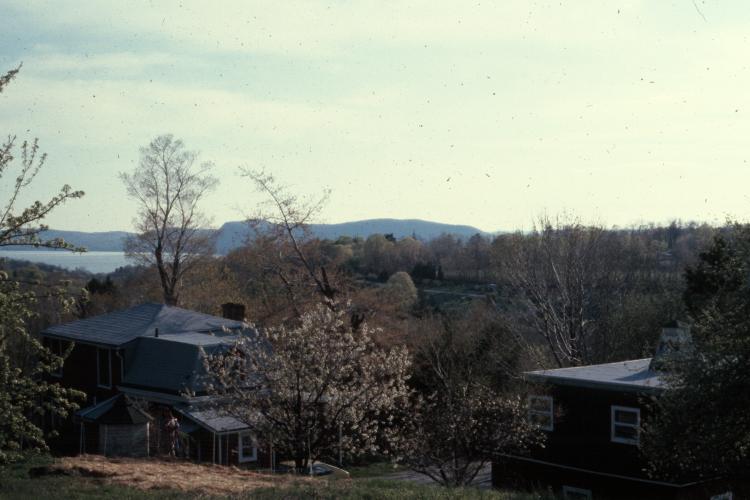 | 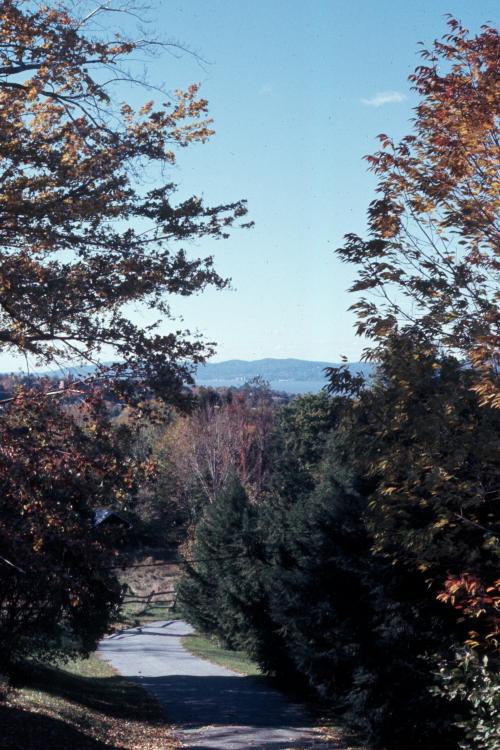 | 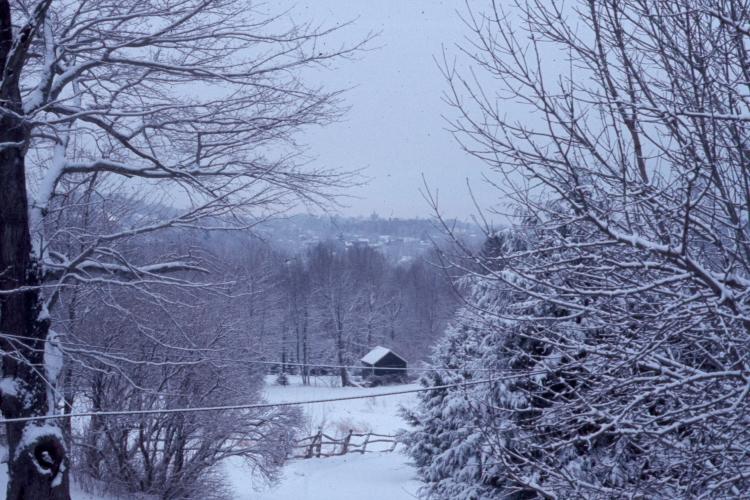 |
There were lots of things I needed to do besides settling in and getting acclimated. I needed to take my disseration chapters and turn them into papers suitable for conferences and journals[8,9,10]. I presented my work to IBM people and external workshops. I think it was a workshop in Bethesda where Ken Sevcik introduced himself. Ken, his students, notably Ed Lazowska and John Zahorjan, and I would become compatriots in queueing network modeling, and friends when I would see them in Toronto. Though the IBM Research Division was independent of the IBM development divisions, and researchers could pursue work without obvious benefit to development projects, it made sense to engage with development people. Lin Woo introduced me to Wei Chang, a primary liaison between Research and Data Processing Division in White Plains. The three of us worked to apply and extend APLOMB and prior work Lin had done with Mani[11].
Though I could have chosen to pursue something entirely new, I was given strong encouragement to build on APLOMB, both directly and by the acceptance of the work with Lin and Wei. I enjoyed working on extending the conceptual framework and writing the code for the extensions, so it was easy to accept the explicit encouragement.
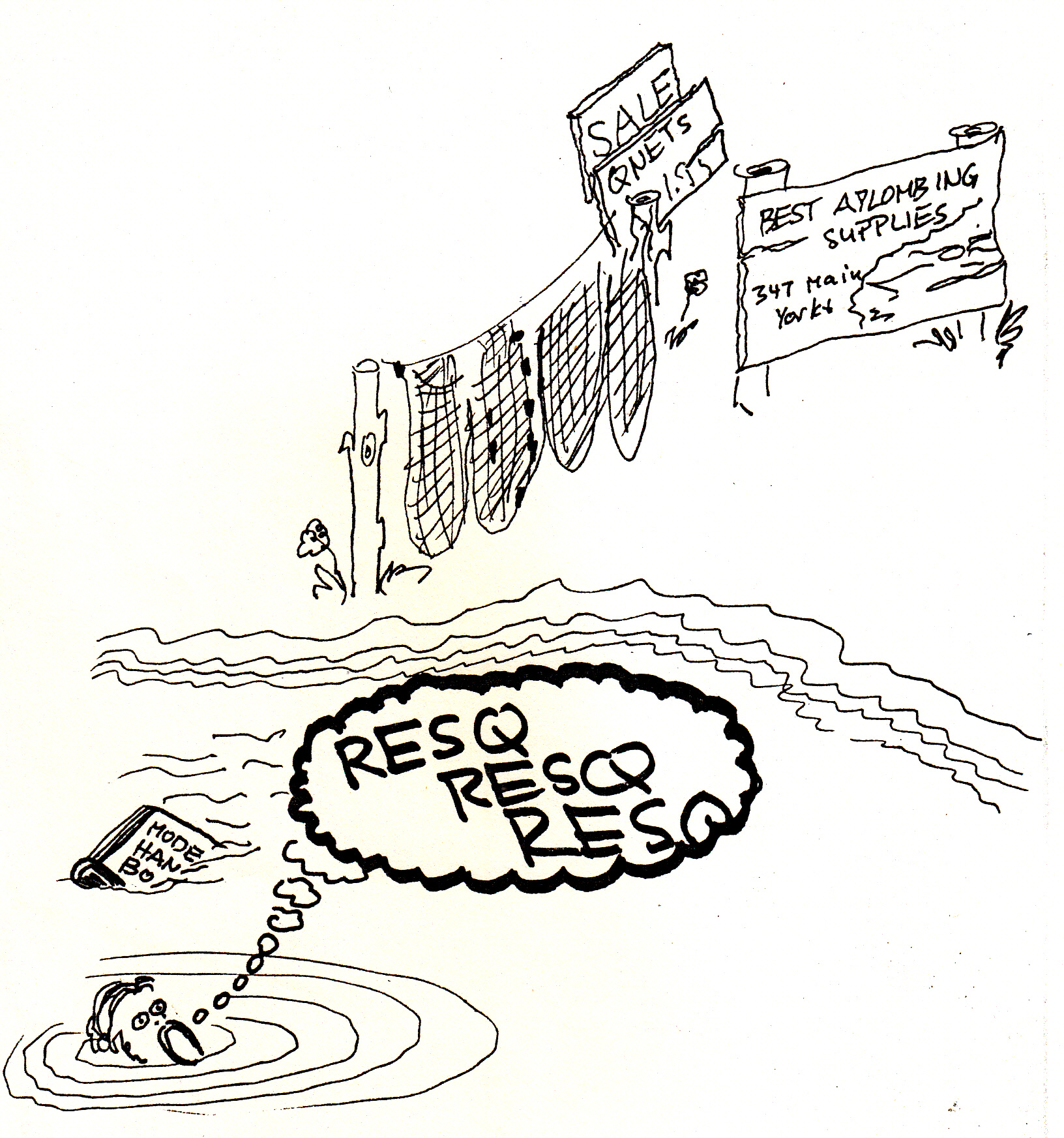
By 1976, APLOMB had exceeded my expectations by far and was attracting significant interest. On the othe hand, APLOMB was essentially an undocumented library of Fortran subroutines. Very few people could use APLOMB as it was — there was clear need for some reasonable user interface.
Martin Reiser had already created QNET4, an interactive environment for creating and numerically solving queueing networks amenable to nuerical solution ("product-form networks")[12]. The existence and success of that environment provided an obvious starting point for an environment that included APLOMB. Martin's original version was implemented in APL(!) but he and Ed MacNair had collaborated to create a version in PL/I. The three of us fitted together a prototype of the RESearch Queueing Package (RESQ) based on the APL interfaces of QNET4, the PL/I solution components of QNET4, and the APLOMB Fortran library of subroutines. "Fitted together" is probably too kind — "cobbled together" might be more accurate. The prototype was surprisingly successful with users at Yorktown, but especially, in IBM development laboratories. Martin and I published details that eventually appeared in a book chapter, including a sketch of the cobbling in Section 4.4.3[13].
As 1976 was winding up, it was clear that RESQ had potential to be important, both to other researchers and to people in IBM development divisions. However, continuing to devlop APLOMB in Fortran was frustrating to me and an even bigger problem from the perspective of my managers. I had become facile with PL/I. To be harsh, PL/I seemed a "kitchen sink" of collecting Algol 60, COBOL, and Fortran features. I had adapted to using what I considered a reasonable subset of PL/I features. Given the Fortran influence on PL/I, and my positive memories of SNOBOL from my 1971 programming languages course, I convinced myself that I could use SNOBOL to expediently translate APLOMB source to PL/I. Within a couple of weeks, I had a PL/I version of APLOMB sufficient to replace the Fortran version. After that, I started to take advantage of ELSE statements and other PL/I features, especially records and pointers, not present in Fortran. In the spring of 1977, a new version of RESQ, RESQl was developed. RESQ1 was implemented entirely in PL/I, though some components were duplicated in APL for users who preferred that environment to CMS or TSO[14].
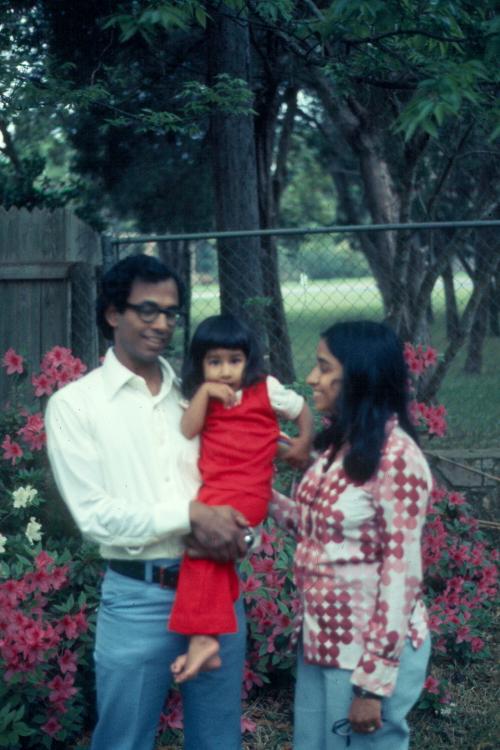
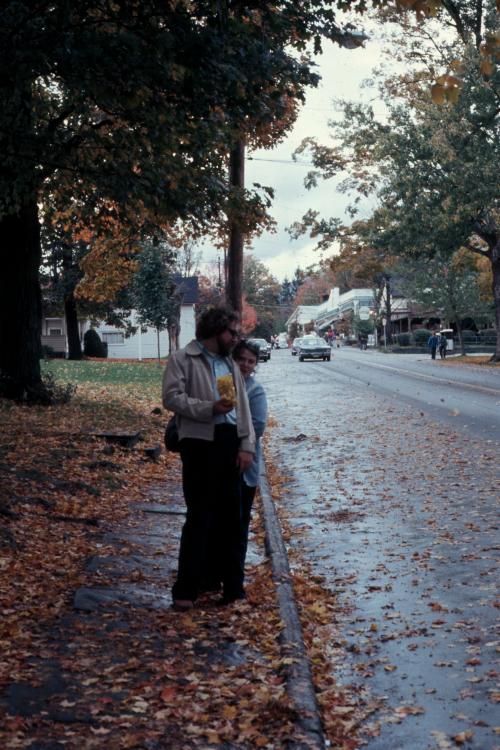
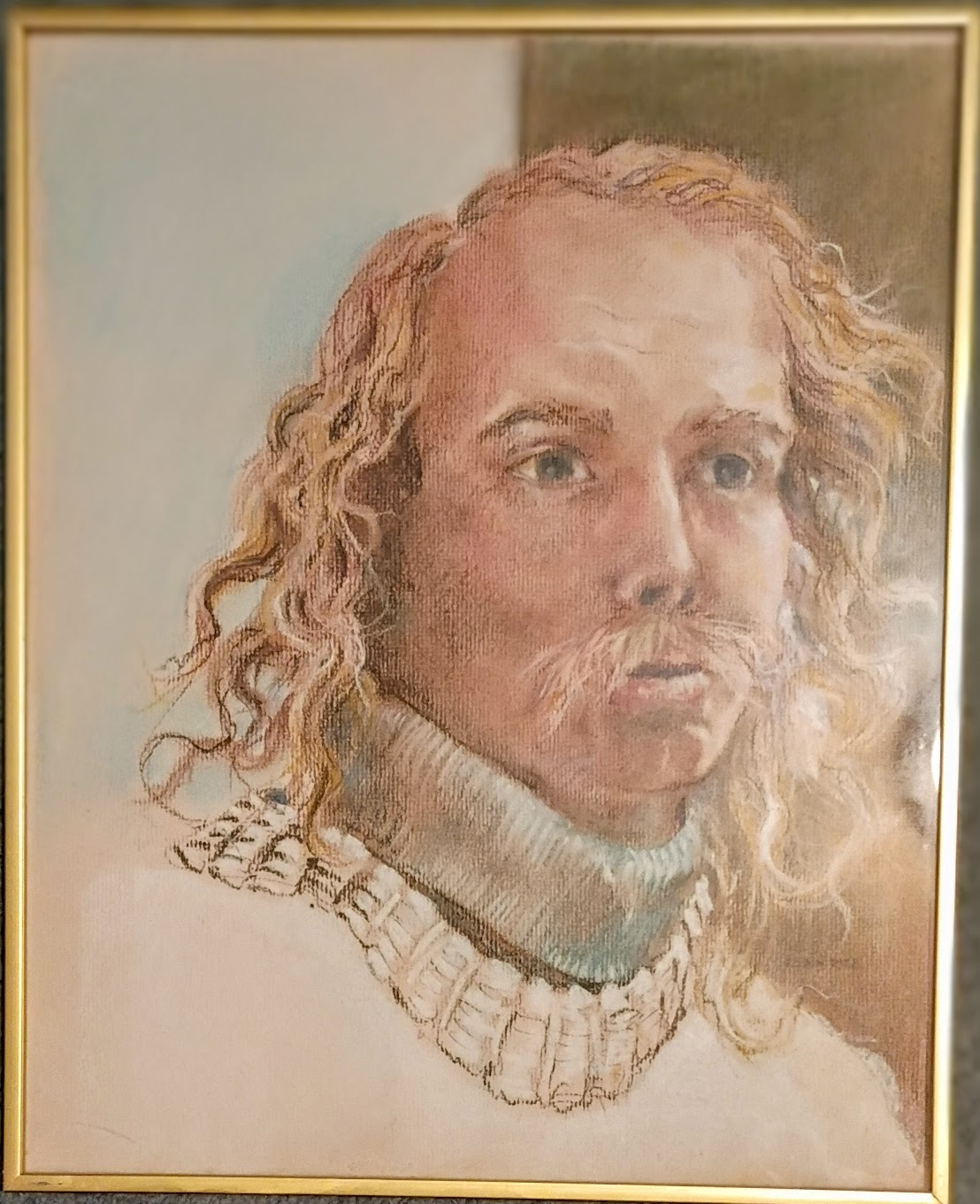
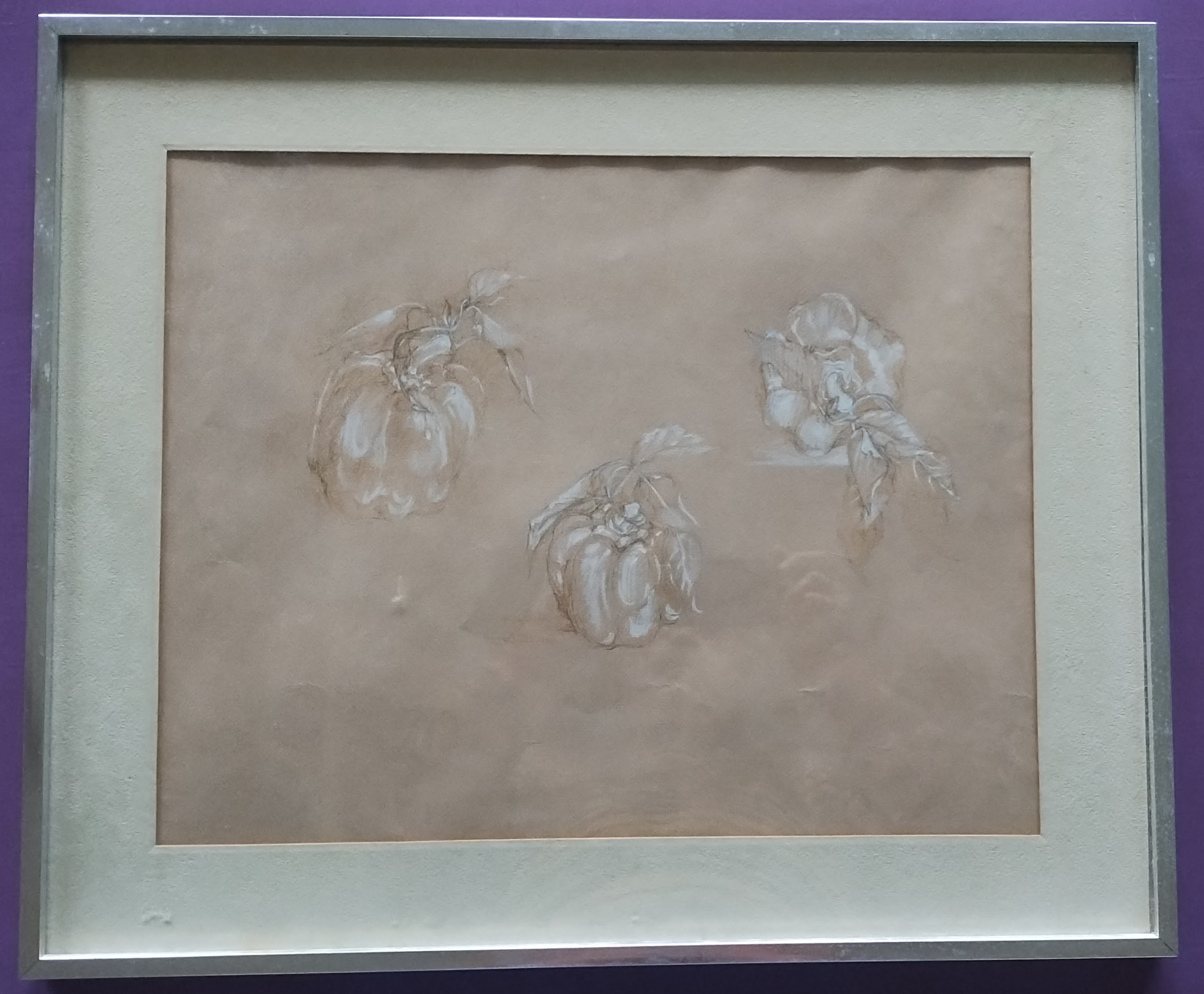
With very few exceptions, I didn't socialize with people from work and had to find new activities and social opportunities outside of work. I found a few friends of friends from Austin in Manhattan and upstate. Stuart Ervin was working for a music instrument warehouse in New Jersey, so I would visit him there. Jamie Howell was working as road manager for Hot Tuna — when they had gigs nearby I'd see Jamie. Cousins and Jerry Barnett came to visit. Don Towsley joined the faculty at University of Massachusetts — we would visit each other and cycle together. Mani and family came to Yorktown for the summer in 1976. David Utz took a position at Columbia — he and Robin moved to Ossining where he had an easy train commute into work. Mom and Robin had become good friends in Columbia before Robin and David moved to Ossining — Mom commissioned Robin to draw a portrait of me. I kept a vegetable garden on the hill above the apartment. Robin particularly liked some of the peppers I grew and made a drawing of them. Another high school friend, Steve Rodgers and his wife Laurel Wright, moved to Irvington, where he could commute to his law firm in The City.
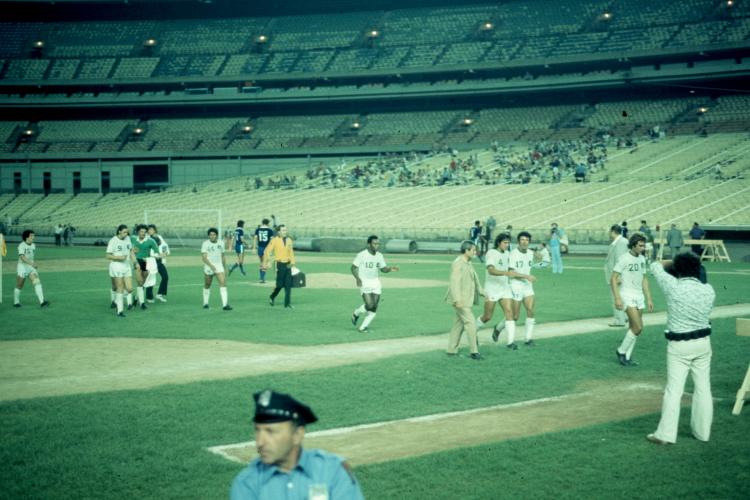
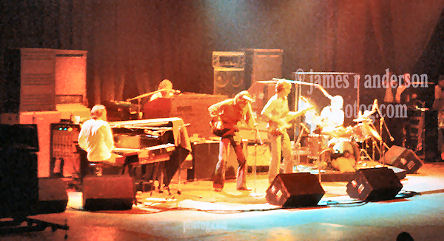
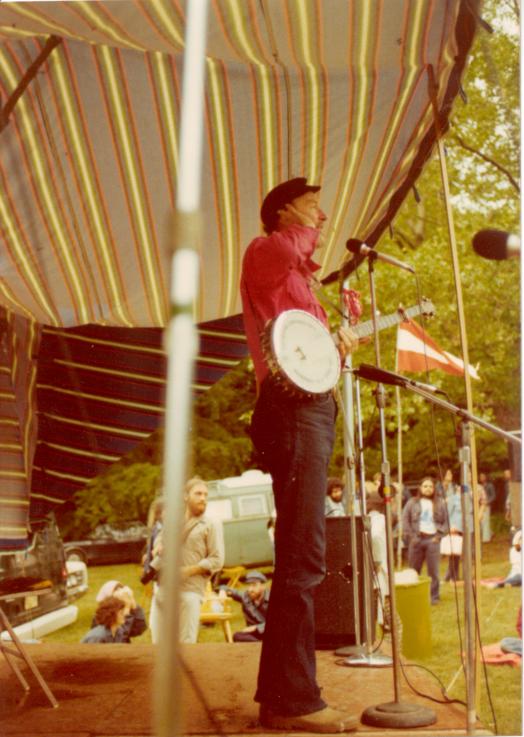
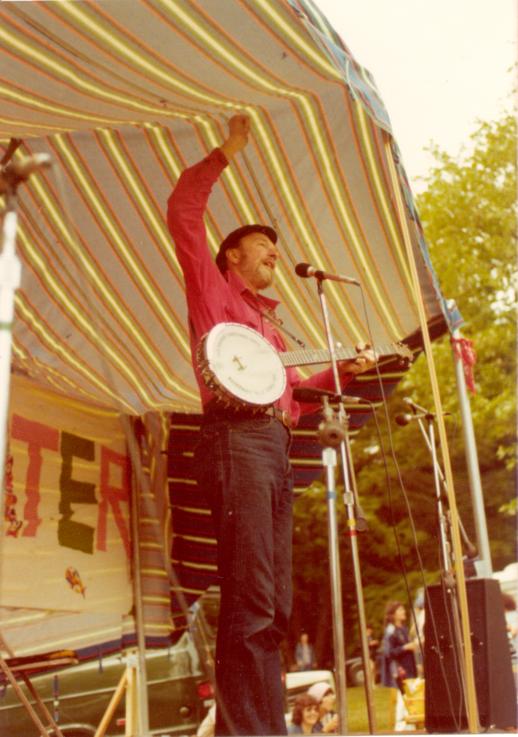
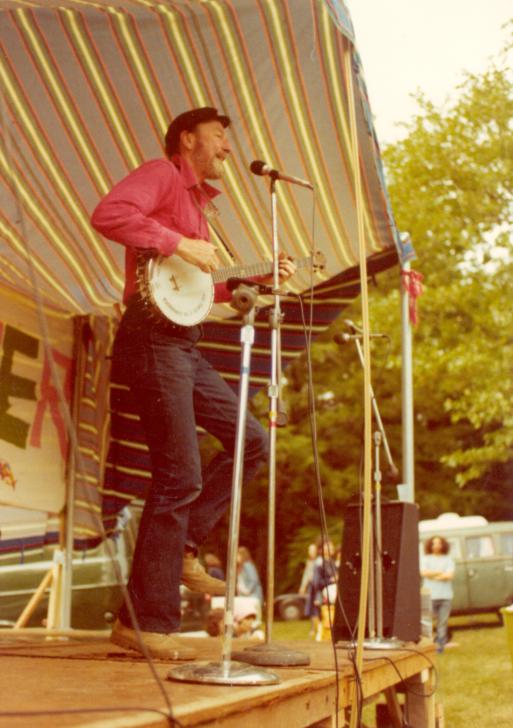
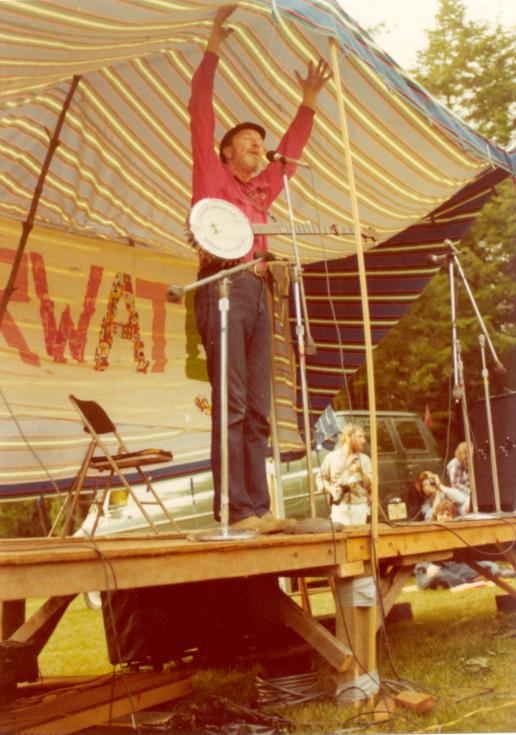
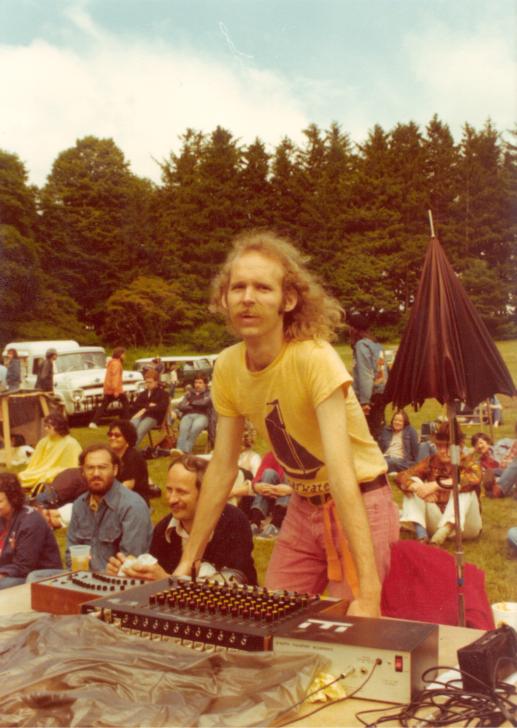
Pelé joined the New York Cosmos. I went to his first match June 15, 1975 and to a few others. I also went to Mets and Yankees games. I heard Bonnie Raitt in Portchester. I'd seen The Band twice before, first accompanying Dylan in Minneapolis and then in Austin at Municipal Auditorium, but they seemed to be at their best at Westchester Premiere Theater in Tarrytown July 13, 1976. There was music in The City at Beacon Theatre, Carnegie Hall, and Town Hall. Though far away, I went to Caffè Lena in Saratoga Springs a few times. I got involved with local activist groups, particularly to try to get Indian Point shut down and stop nuclear plants in general, and with the Clearwater Hudson River Revival. Perhaps the most important musical experience in my life was at a Clearwater Festival in Croton Point Park, sitting in a song circle with Pete Seeger, when Pete called on me to play harmonica. Every time someone mentions Toshi Seeger, I have to recount another time at a Clearwater festival at Croton Point Park. I carelessly lost my wallet due to wearing cutoffs with a hole in the pocket. Toshi appropriately chastised me for being so careless, then spent fifteen to thirty minutes helping me search. We found the wallet, but it was empty. For the June 1976 Clearwater Festival, Stuart got his company to provide the sound equipment and I got to be the engineer.
 |
 |
 |
 |
 |
 |
 |

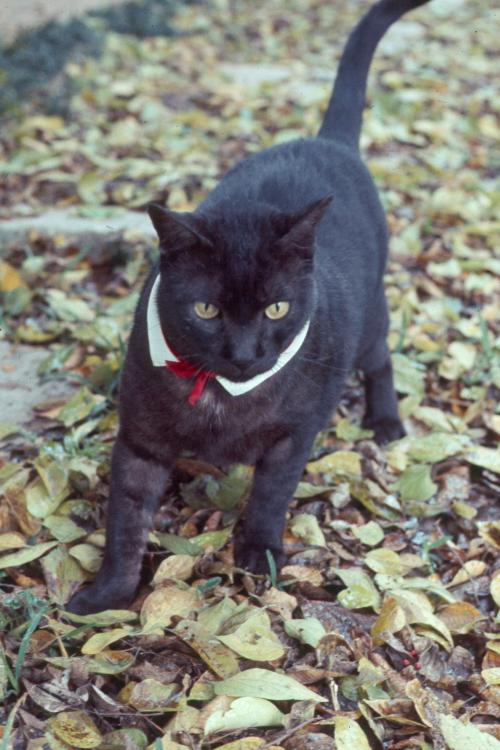
I missed Caroline terribly. Letters and phone calls weren't the same as seeing her in person. I would visit Austin a couple of times a year. Caroline came to visit me in June 1976, but was still married to John and couldn't stay. That fall she divorced John. When I visited for Thanksgiving we started talking about living together, but couldn't imagine staying in Ossining. I interviewed to be a professor at U.T. San Antonio. When Jim Browne became aware, he arranged for U.T. Austin to make me an offer, which I accepted. IBM tried to get me to reconsider. A sabbatical was suggested as a compromise, but that would be an obstacle to tenure. We agreed that I would take a leave of absence. That meant I would continue IBM medical, etc. benefits and not lose the time toward potential pension. Caroline, with her cats Binky and Moyd, arrived at JFK April 20, 1977 so that we could be together until moving to Austin in August.

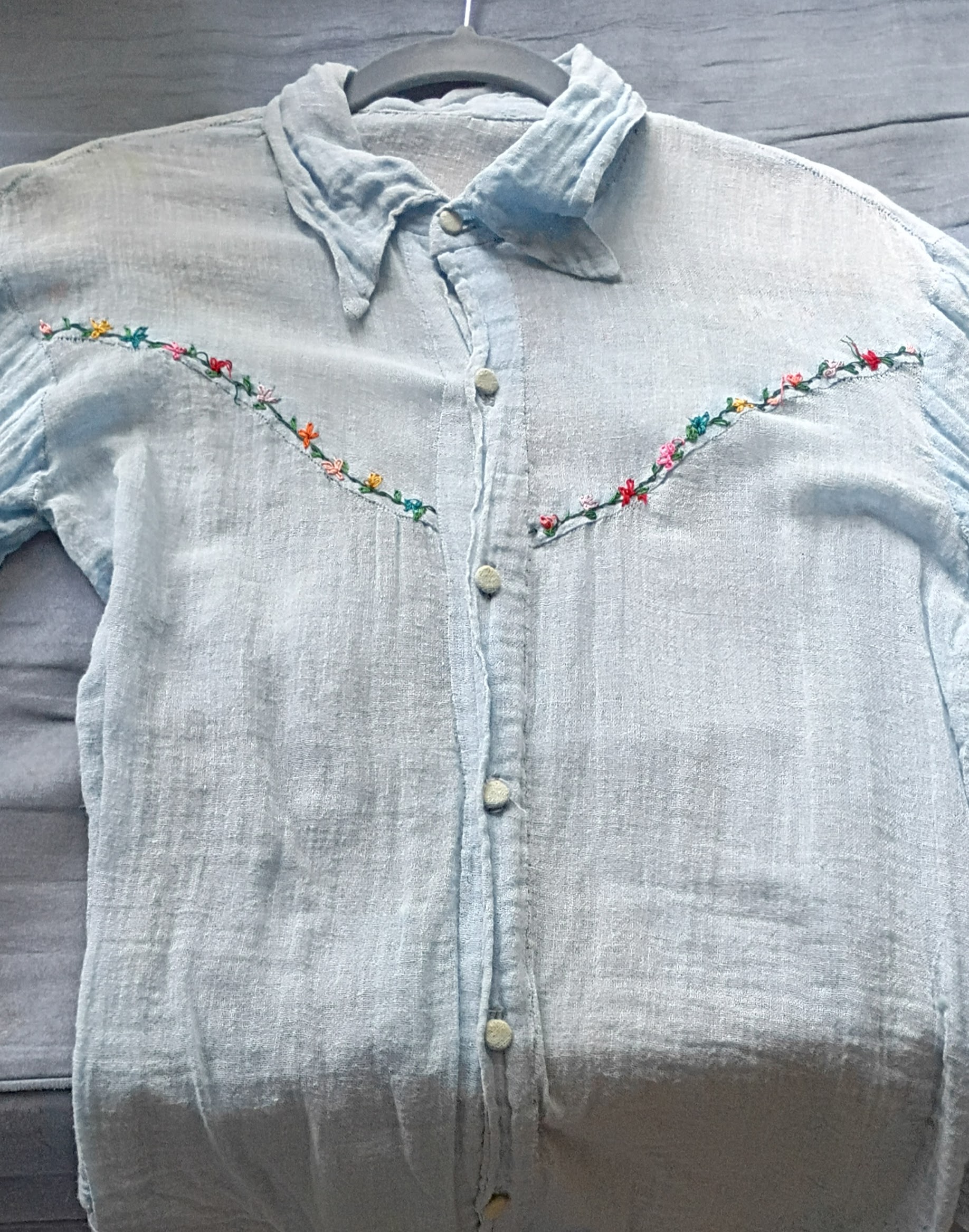
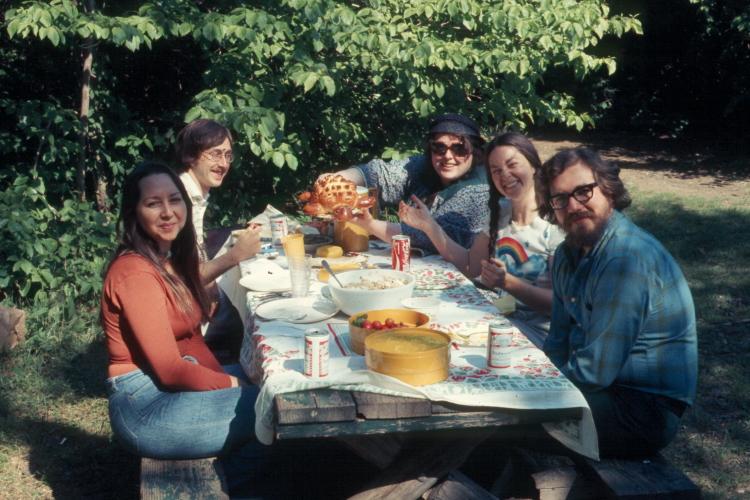
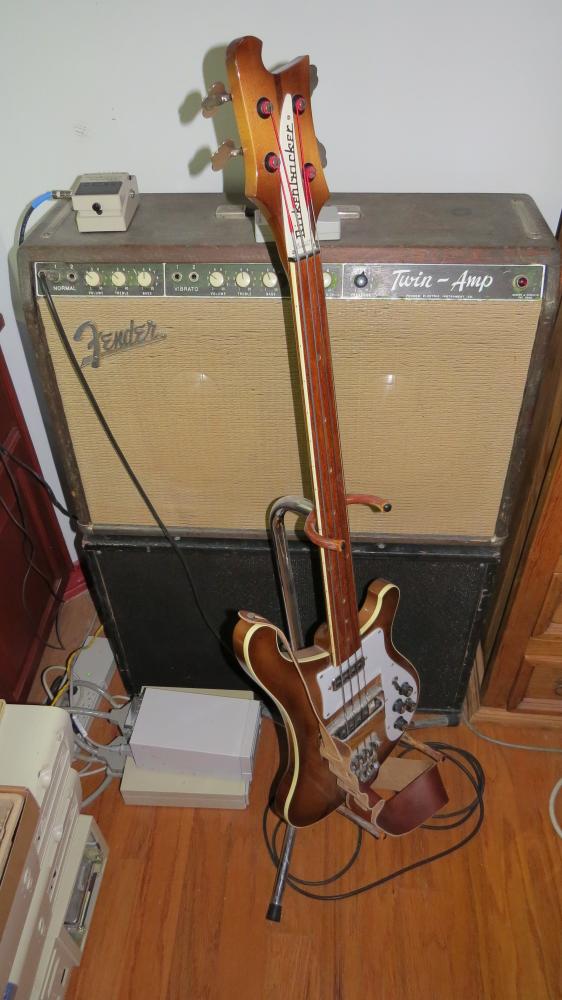
Knowing Caroline's ballet aspirations, I had gone to see Rudolf Nureyev dance at Lincoln Center and Twyla Tharp dance at Brooklyn Academy of Music. Telling her about those was part of my plan to incentivize her. After she arrived, we soon went to see Mikhail Baryshnikov dance at Lincoln Center. Caroline had left her sewing machine in Austin, so she hand-stitched a shirt for me. That was the first of roughly 60 she's made. Caroline and Robin quickly bonded and became lifelong friends. Caroline and I went to Mannys's to buy a Rickenbacker fretless bass to replace the Magnatone.
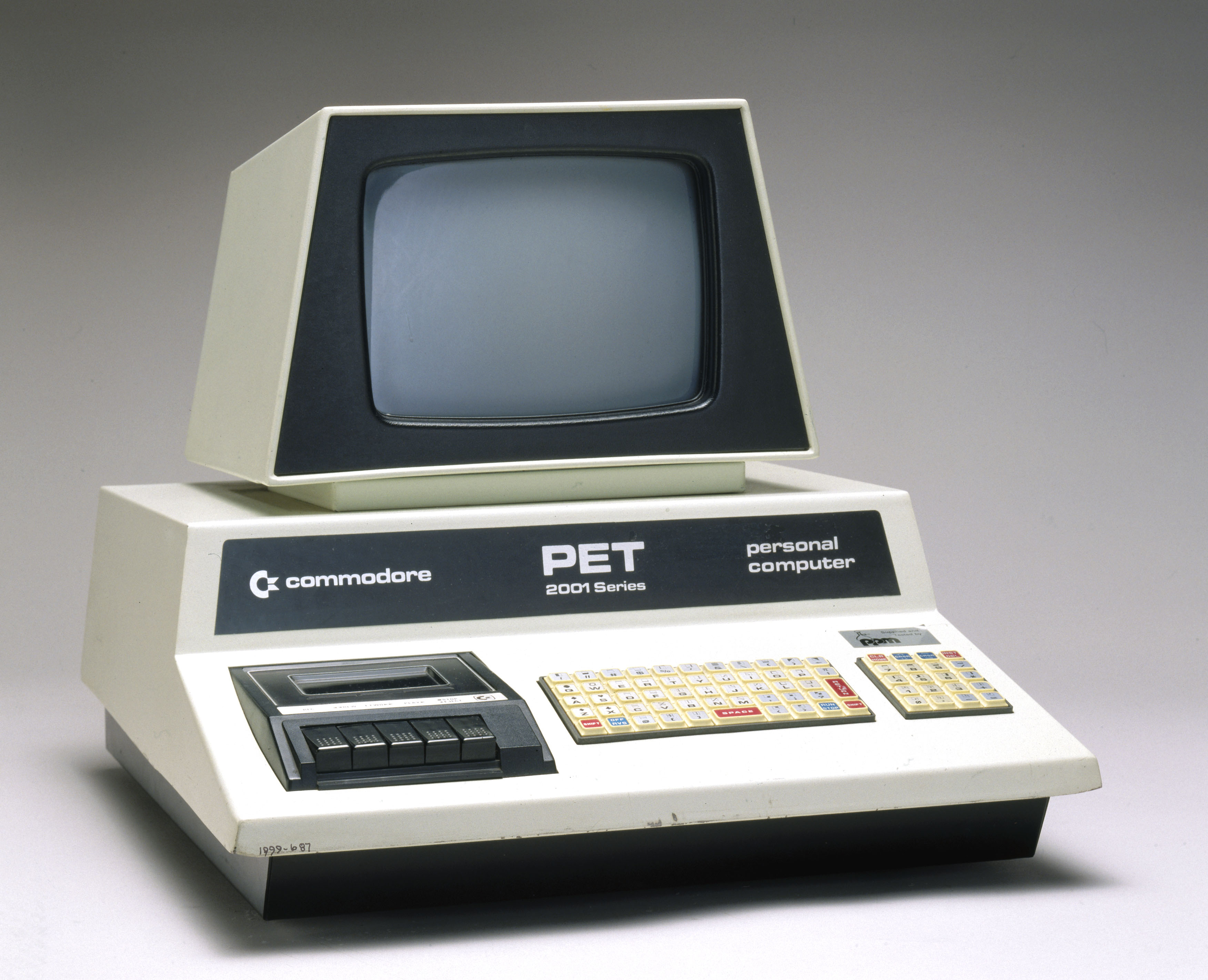
In June I went to Dallas to present our RESQ paper at the National Computer Conference[14]. The Commodore PET at the exhibition was the first personal computer I experienced. It seemed limited, but still an inspiration for the future.
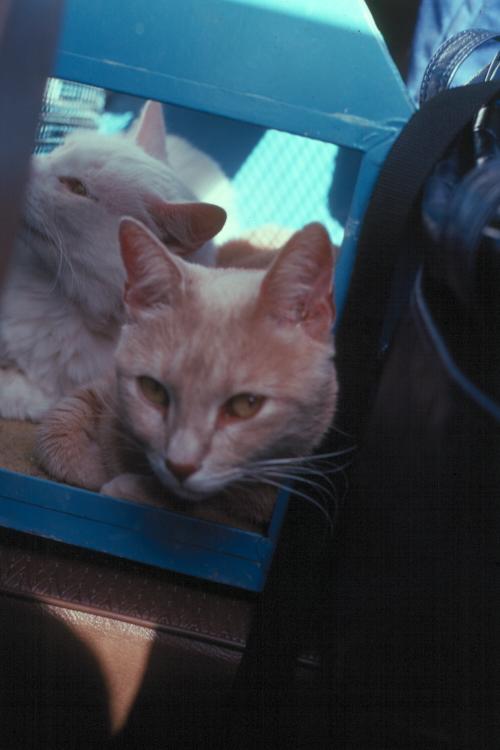
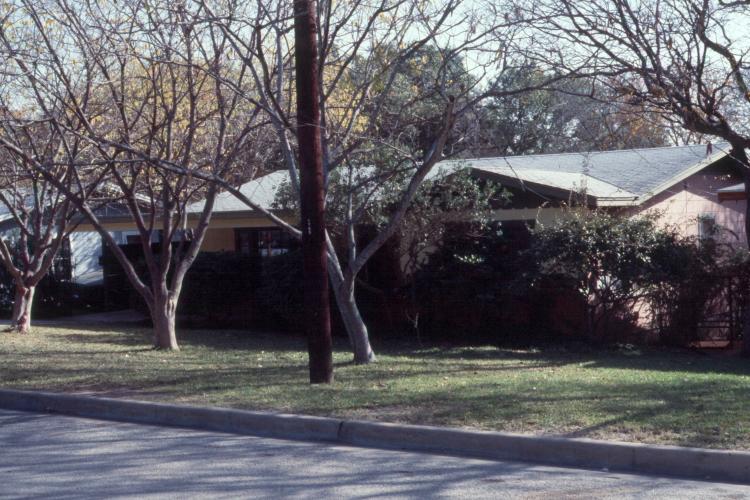
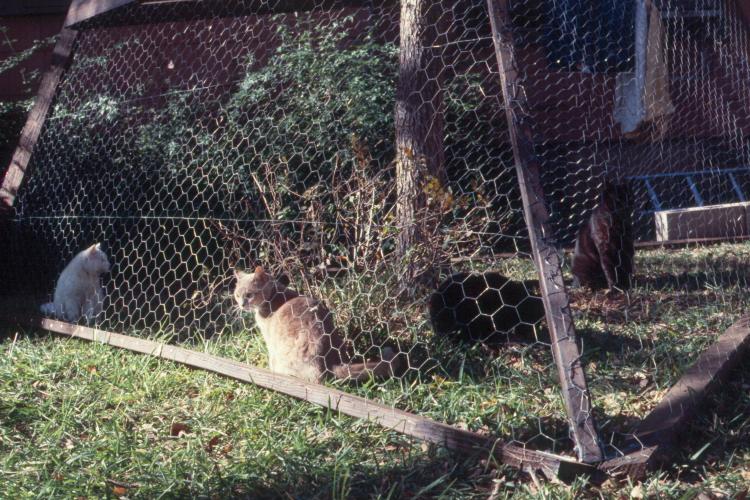
After the moving company took the boxes and furniture, Caroline, Moyd and Binky, Pi and Lee and I got in the Dasher and headed for Austin. We went house hunting and bought the house at 1703 Norris Drive, above Zilker Park. We wanted the cats to be able to go outside safely and enlisted Glenn English to create a three-sided pyramid cage with tunnel to what became my office window. (When asked if a three-sided pyramid had as much karmic benefit as a four-sided pyramid, Glenn immediately responded "exactly the same.")
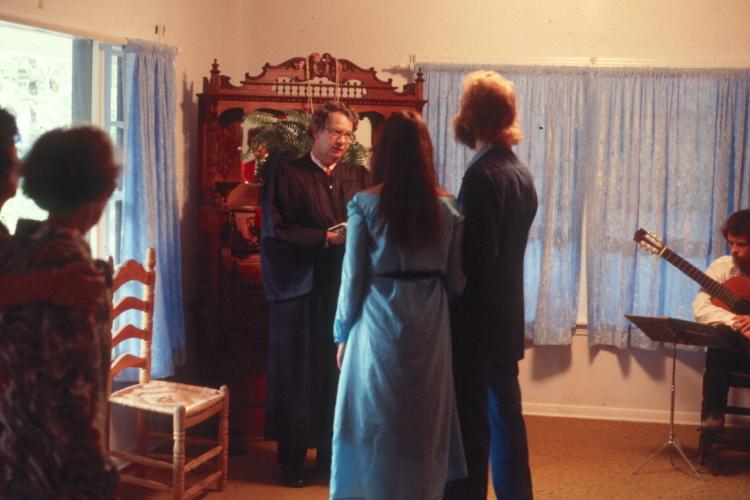
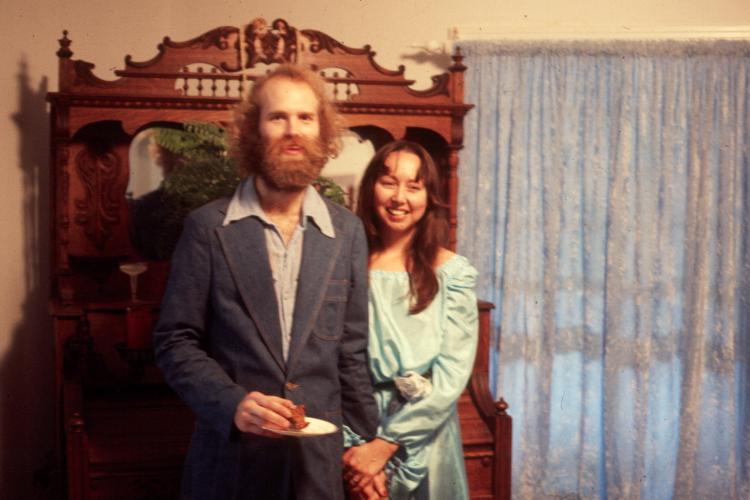
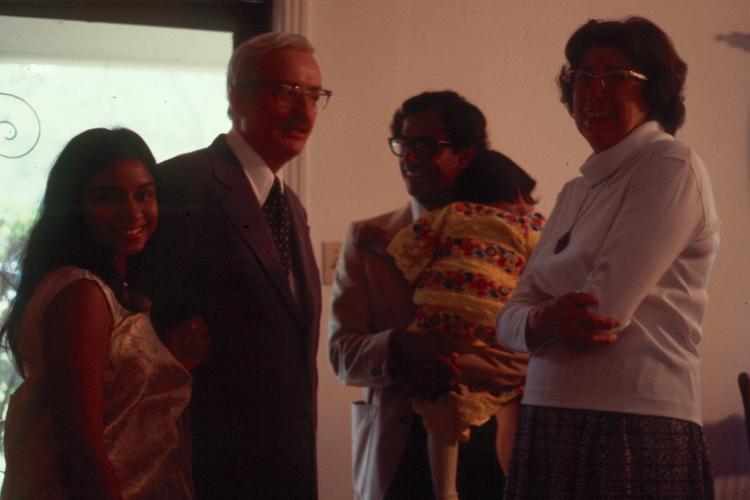
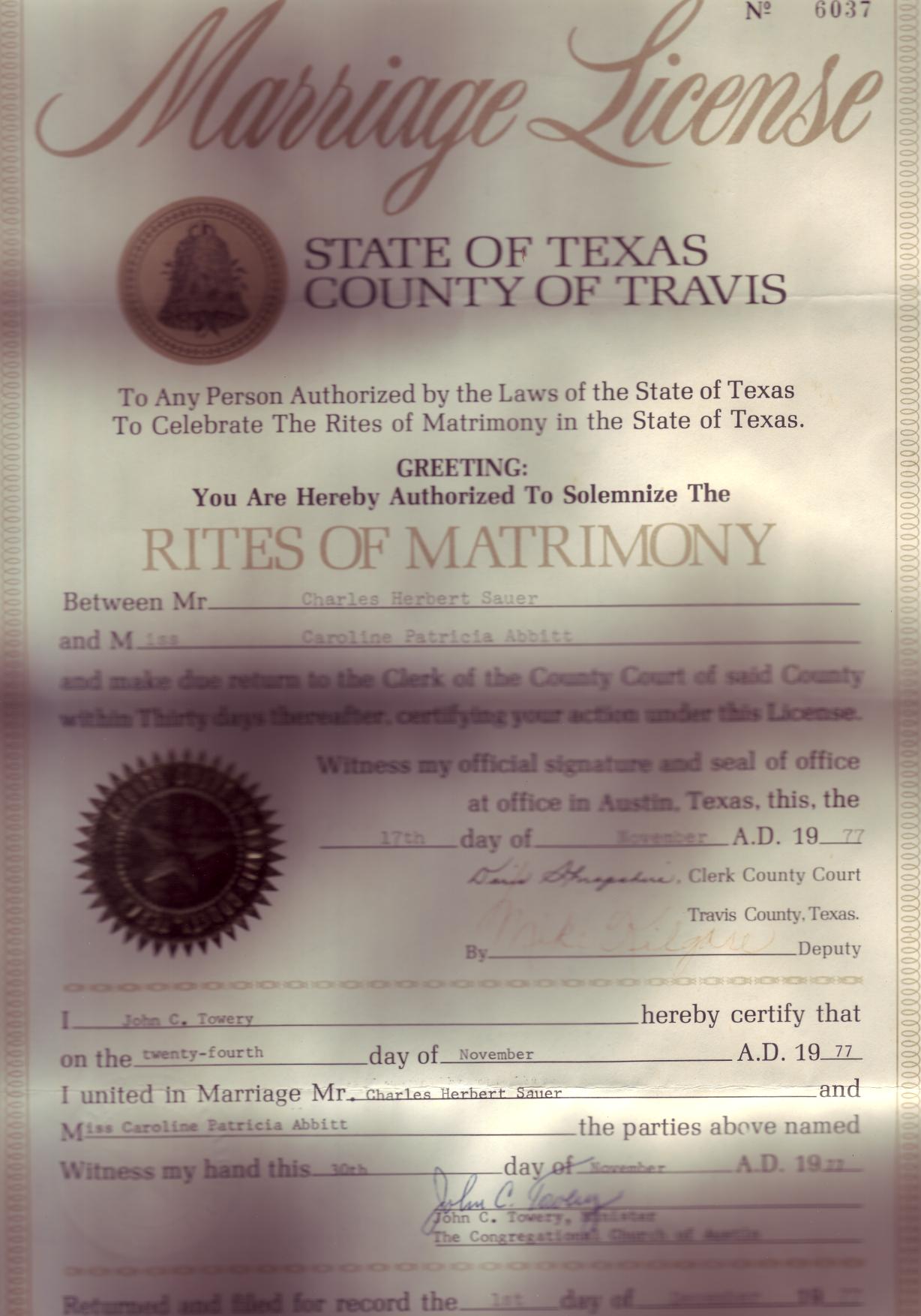
November 24, Thanksgiving Day, we had a small wedding in our living room, with family, friends, and a guitarist. Rev. John Towery presided.
 |
 |
 |
 |
Some things weren't working out as well as we had hoped/planned. By coming to Ossining, Caroline had missed out on becoming a member of the Austin Ballet Theatre corps de ballet (but she continued to take class with ABT). We didn't re-engage with other musicians or play in public. The informal soccer group had been displaced by a male-only more competitive group in Zilker Park — I tried it only once.
Perhaps most significant were the difficulties I had adapting to being on the faculty. The campus computing facilities were still relatively primitive compared to Yorktown and access was difficult. I had expected there would be Unix systems available but they were only available for the Daily Texan staff. I had one successful Master's student and worked with other graduate students, but without grant funding it was difficult to engage them. Mani continued to help me — we collaborated on an invited paper for Computing Surveys[15]. It felt like I was making incremental progress on things I'd already done, not doing anything dramatically new.
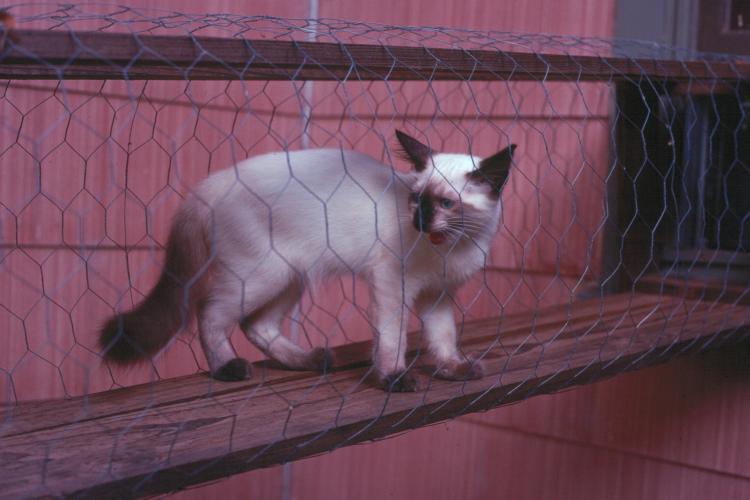
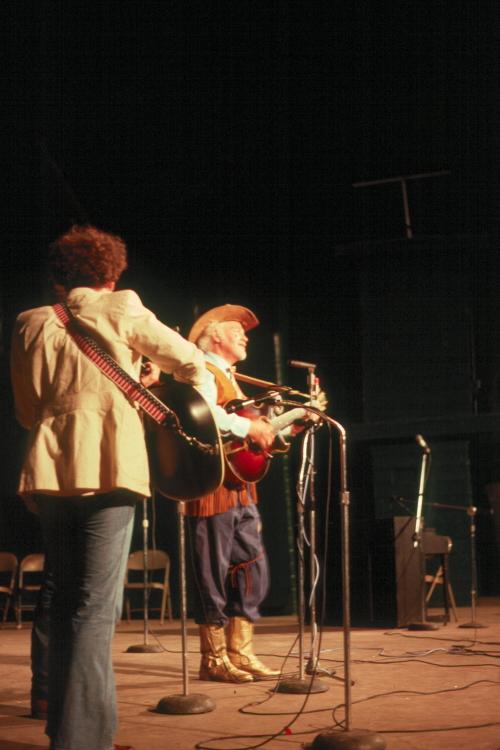
One Saturday morning, an ad in the Austin American caught Caroline's eye — it was offering a Siamese kitten for $15. We drove to an isolated rustic house on RM 2222 (long before construction of MoPac Expressway and Capital of Texas Highway and all the development that followed). Amazingly enough, that rustic house still stands, in spite of all of the surrounding development, a couple of miles from where I sit as I write this. There were fleas crawling all over the kitten. The seller poured Sevin dust all over the kitten's belly. We paid $15, took possession of our first jointly acquired cat, naming him "Nini Doll" and subsequently claiming he was worth fifteen million dollars. Red River Dave McEnery was a legend to me because of his Amelia Earhart's Last Flight, that I had first learned from the Greenbriar Boys in 1966. Red River Dave was scheduled to play at Zilker Hillside that night. I couldn't persuade Caroline to go — she wanted to be sure Nini was safe from harm from the other cats.
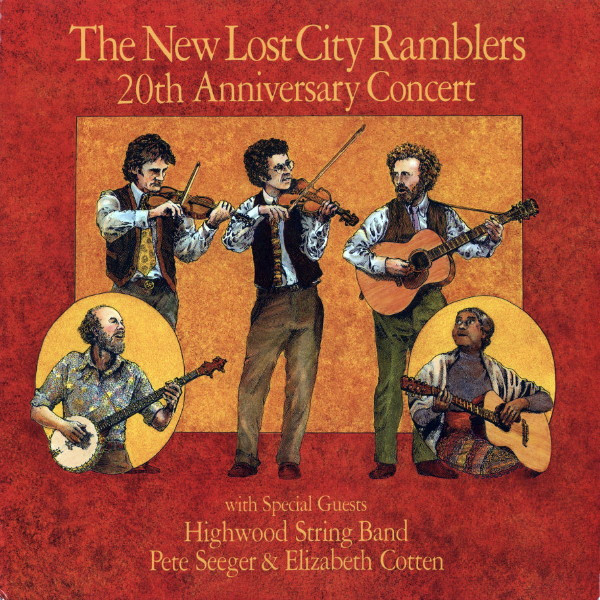
Even though we were living in Austin in 1978, Caroline and I made it to Carnegie Hall for the 20th Anniversary New Lost City Ramblers concert - I particularly remember "Cold Bottom Strut."
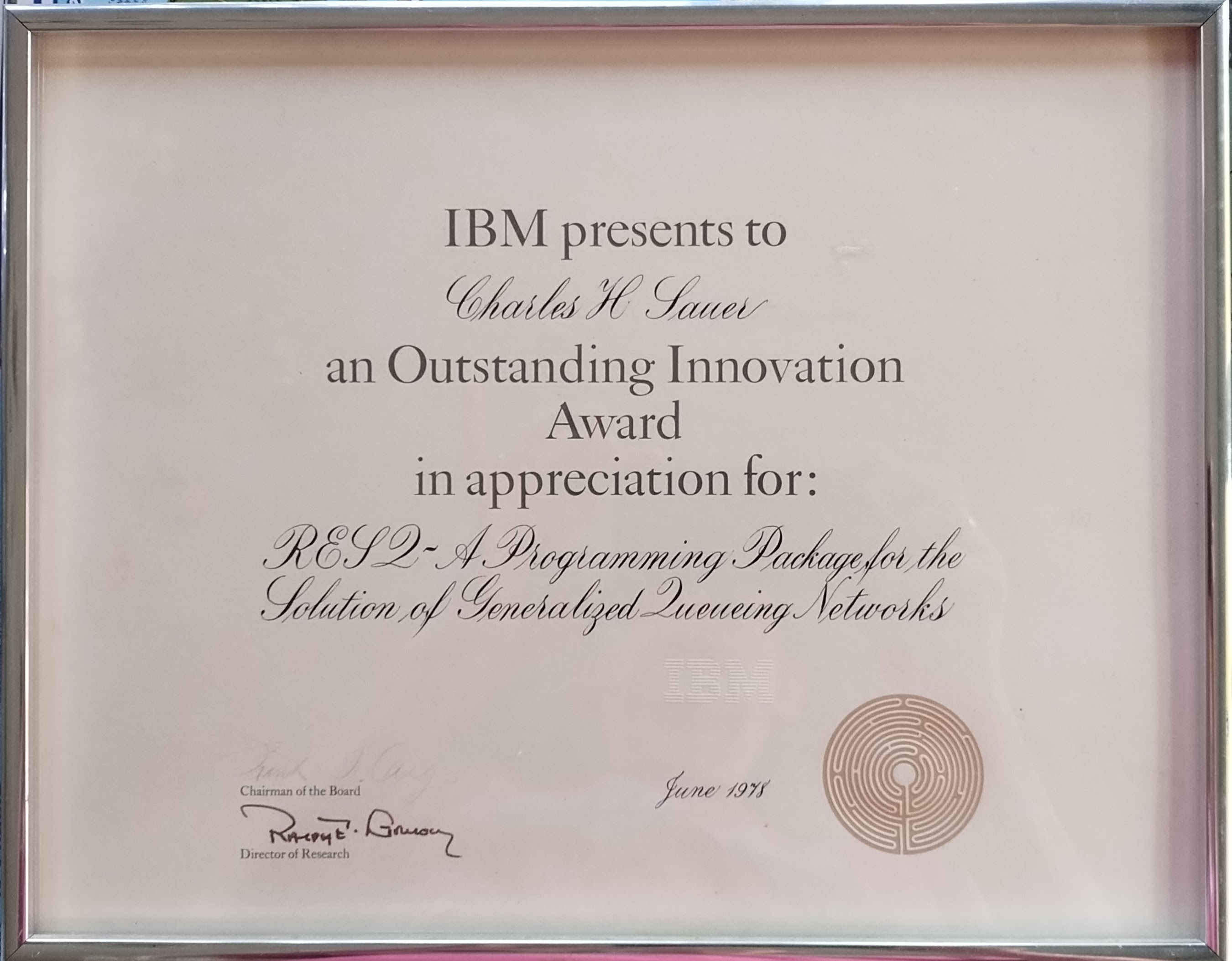
Since the academic year was nominally 9 months, I formally ended my IBM leave of absence for the summer and resumed working "at" Yorktown, remotely from IBM facilities in Austin. RESQ users at one of the local performance departments welcomed me into their offices and provided 3270, access to "VNET" (IBM internal network of VM/370 systems), access to the IBM phone network, etc. My primary focus was designing the "RESQ2" user interface and model definition language, to overcome a number of fundamental limitations of the original implementation[16].
IBM management clearly wanted me to return to Yorktown. Caroline and I spent a week or more in Yorktown that summer. I recieved an "Outstanding Innovation Award" for the original RESQ. As part of that award, there was a celebratory luncheon with Ralph Gomory, director of IBM Research and corporate vice-president. However, I wanted to keep trying to make things work at UT Austin and started another leave of absence from IBM in the fall.
With the positive responses to the Computing Surveys paper[15] and other work we had done, Mani and I started contemplating writing a book, a "primer" on computer systems performance modeling. All of the previous books seemed to me to be too mathematical and abstract, suggesting need for something more practitioner oriented. Lacking access to a word processing system comparable to what I used at Yorktown (or troff et al in Unix), I wrote much of the book at home using my high school SCM typewriter.
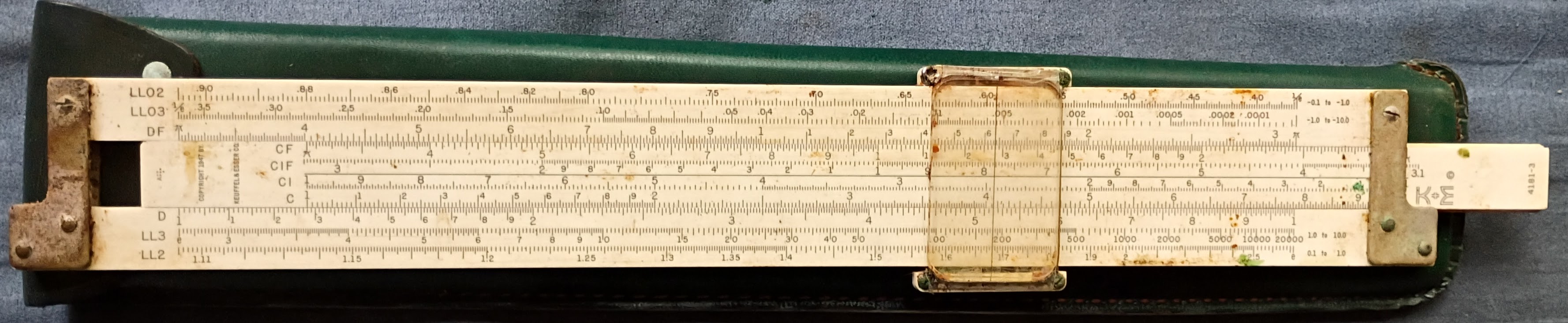
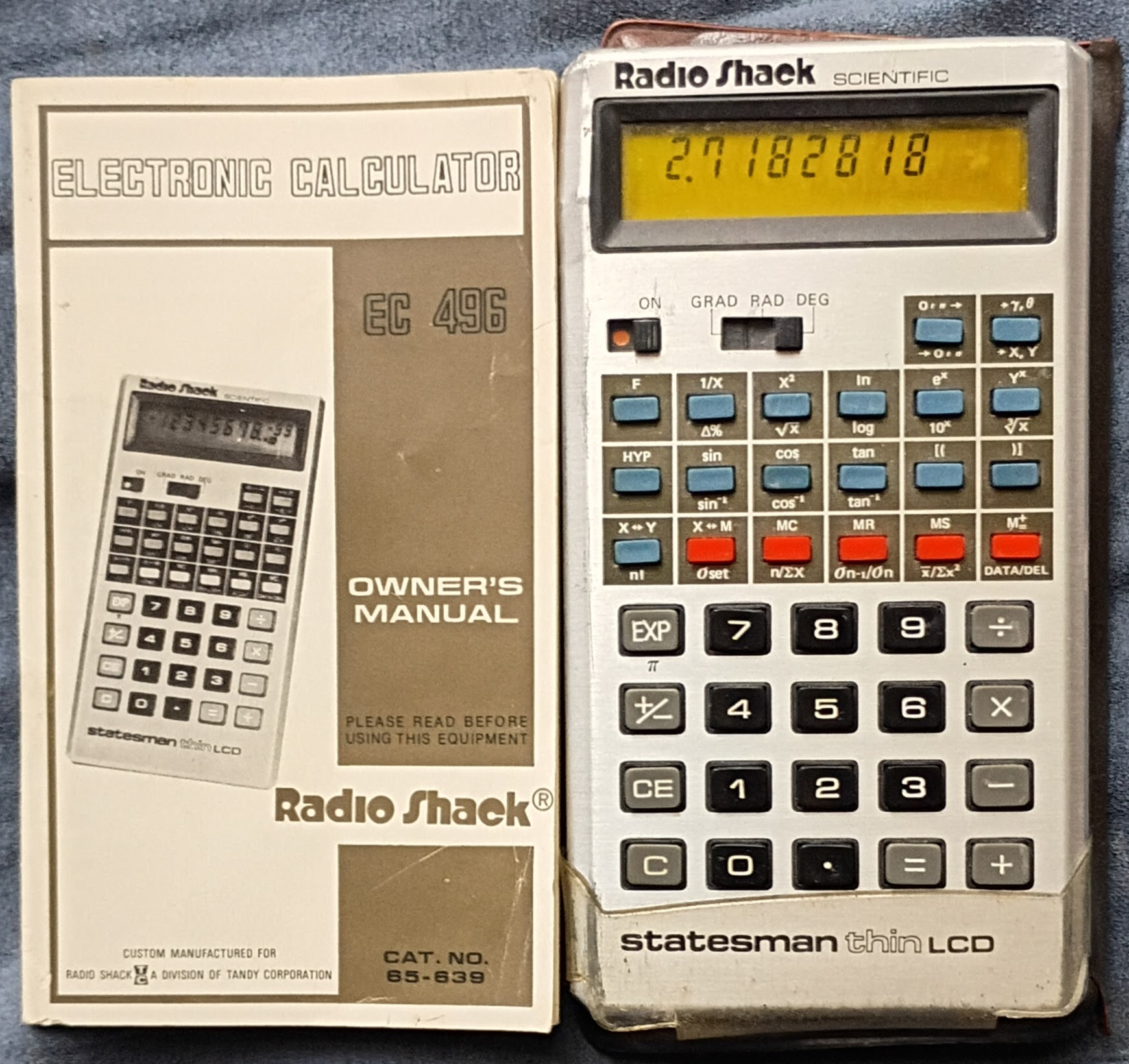
Strange as it may seem today, with trigonometric calculators included in all our devices, in my high school and undergraduate years, portable calculators either didn't exist or were too bulky and expensive to be practical for me. I used basic slide rules, but never got adept with the fancier ones. At some point in my graduate studies, I bought a $50 bulky four function calculator with minimal battery life, so I also carried an external battery back with four D-cells. In 1978, I finally got a "scientific" calculator that fulfilled my needs. It was slightly too big for a standard shirt pocket, so Caroline adjusted her sewing patterns to start making me shirts with "calculator pockets." I eventually got other calculators, even wrist watches with four function calculators, but the 1978 calculator still works and sits on my office shelves.
We included extensive source code in the book for several reasons. We wanted practitioners to be able to apply the techniques we described. In both academia and industry, Pascal seemed the dominant language, so I felt the need to become fluent writing Pascal programs. I wanted to include simplified implementations of the primary solution and simulation components needed for a system like RESQ while making it clear (using Pascal) that none of the programs belonged to IBM.
I also wrote a National Science Foundation grant proposal that requested funds for graduate students and equipment, including a PDP-11 miniomputer suitable for running Unix.
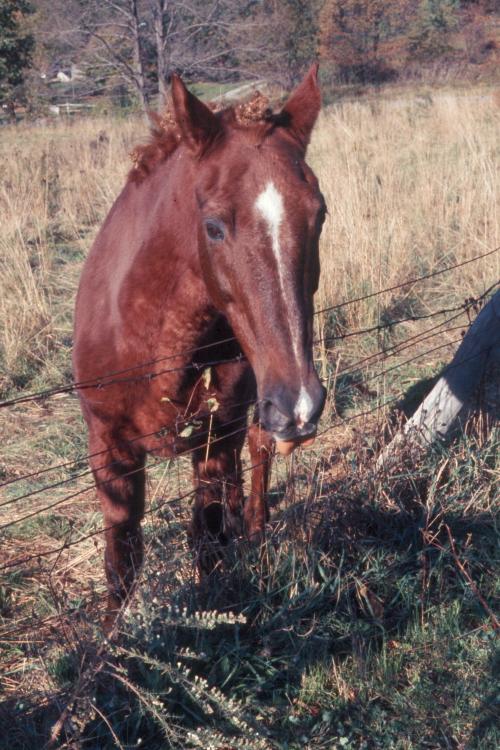
By March 1979, Caroline and I agreed that I should go back to working at Yorktown at the end of the semester and move to Westchester. Over spring break we went house hunting and hired a professional inspector to evaluate the most likely houses. He found serious faults with some of the ones we liked best. We approached Doris Murray, the owner of 40 Hawkes Avenue, who lived in the main house and had rented the garage apartment to me before. The inspector found lots of problems with the house. Since it was 140 years old and not well maintained by Miss Murray, the problems were not a suprise. However, none of the problems seemed unmanageable to us or the inspector.
We cautiously met with Miss Murray on St. Patrick's day, offering only $87,500, explaining that we would need to spend considerable money on repairs, improvements, and modernizing the kitchen. She shrieked "the kitchen, the kitchen is very modern." We returned to Austin without a plan for where we would live in Westchester. Eventually, Miss Murray accepted our offer, contingent on us keeping her 30-year-old horse "Dukey" on the property and caring for him.
Mani was department chair at that time, so protocol meant giving Mani my resignation. That was awkward for both of us, but not a personal problem to either.
Caroline and I decided to try to have a child and she became pregnant soon afterward.
At the end of the semester, we sold the Norris house. After the moving company took most of our things, Caroline, Binky, Moyd, Pi, Lee, Nini and I headed for New York in the Dasher.
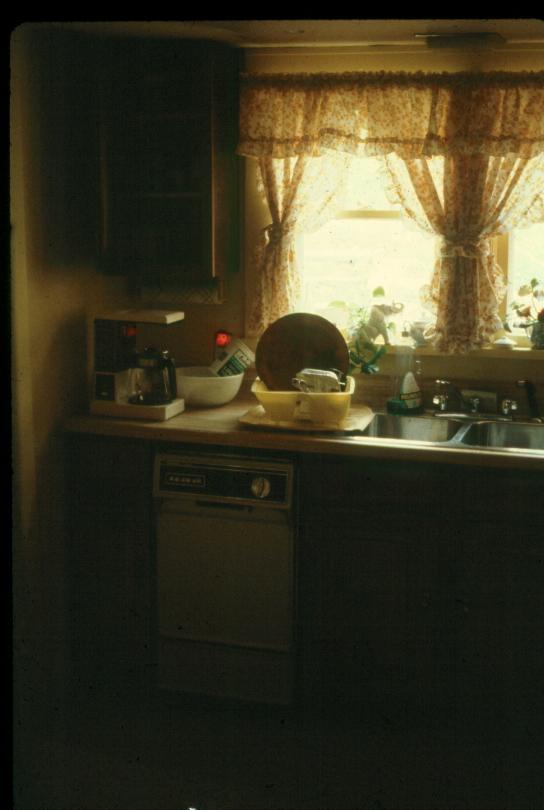
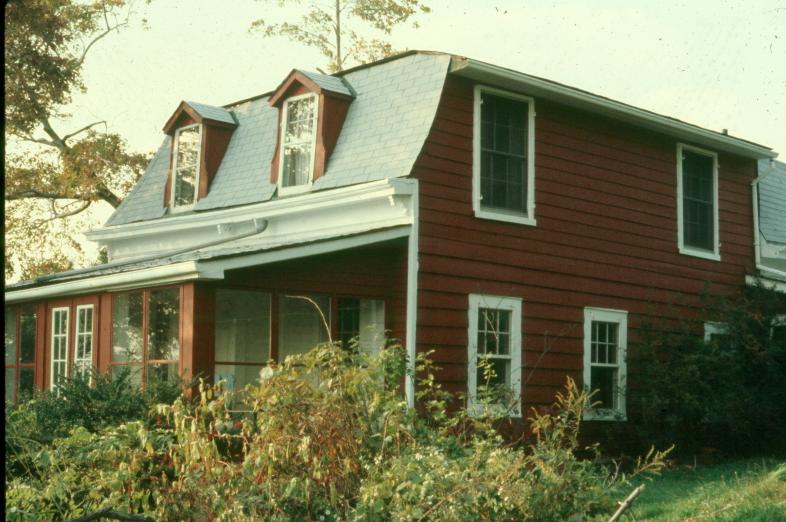
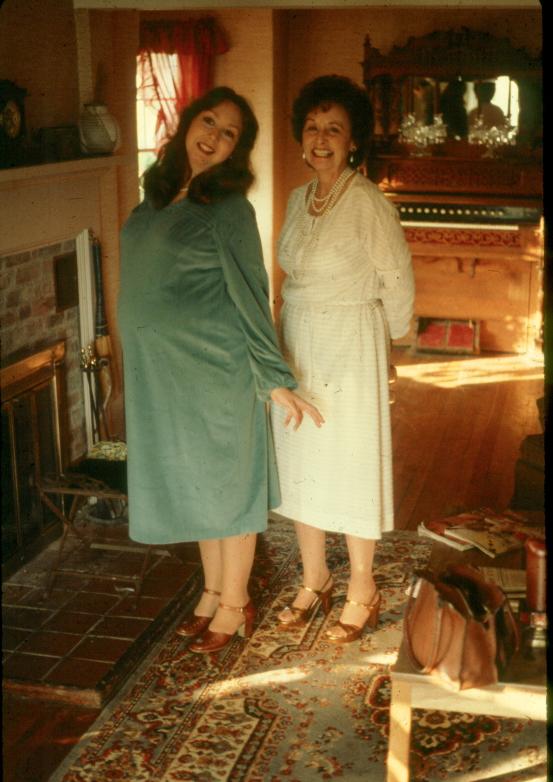
Steve Rodgers handled the property closing for us, gratis as a housewarming present. The contract specified "broom clean" but the house was anything but clean, even worse than we imagined. The kitchen was particularly bad, with residue from Dukey's stable that had been tracked in over the years. Initially, we covered the floor with newspapers to try to suppress the odor.
The bid we got for a contractor to remodel the kitchen far exceeded what we thought we could afford, so we decided to try to do the work ourselves. We stripped out everything from the kitchen: the flooring, the cabinets, the stove, the sink, and the wall covering. There was a chain of "Homer's" home improvement stores where we bought cabinets, floor tile, sink and stove. We ordered a small dishwasher and other items from Sears in Peekskill. Somehow we managed to bring the dishwasher home, strapped onto the bike rack on the Dasher. I had never done plumbing soldering with a blowtorch before, but somehow figured out how to make everything work. We were amazed and pleased.
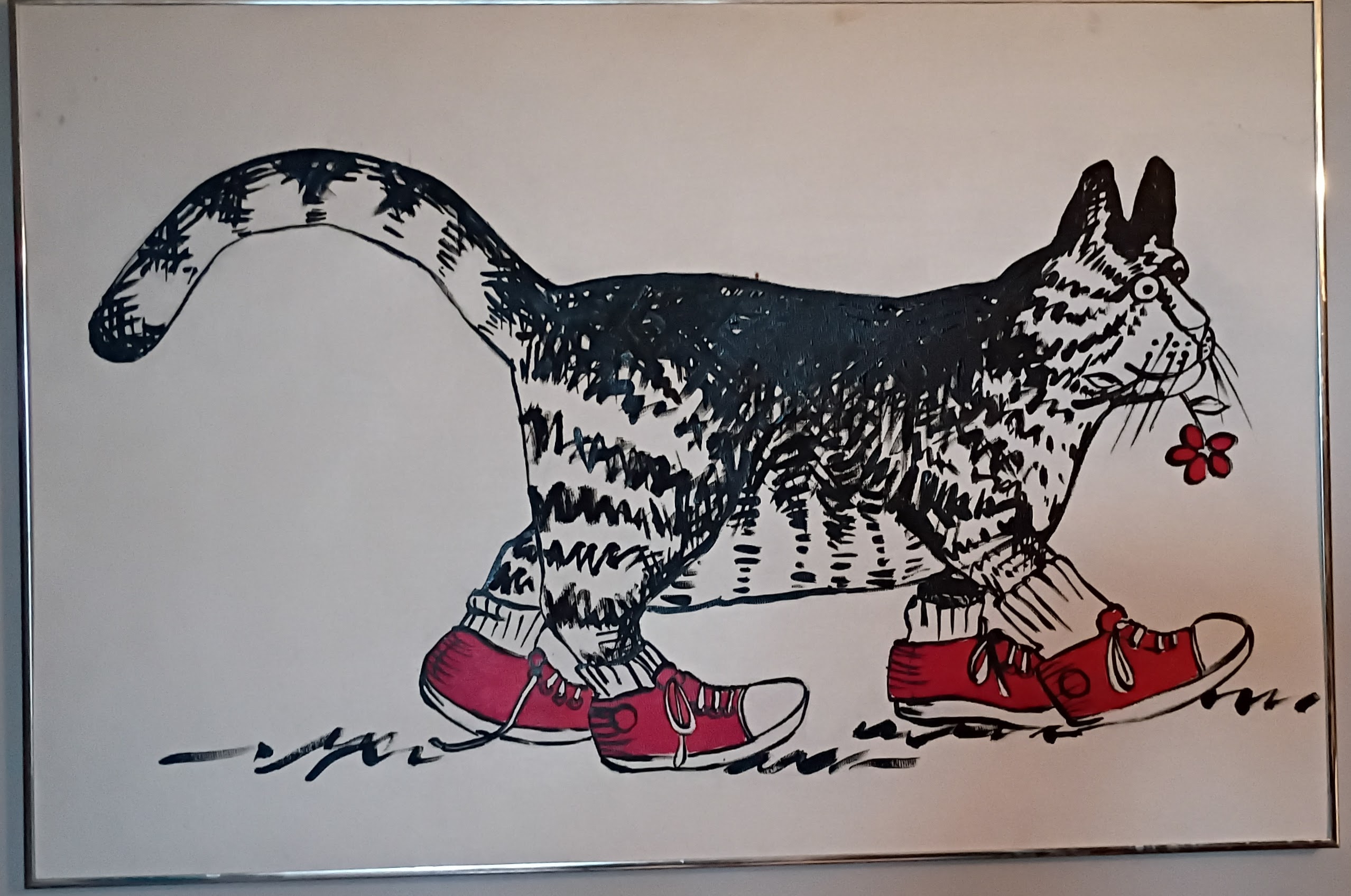
I put in new wallpaper and flooring in the dining room. Upstairs, Robin helped us strip the old wallpaper so that I could put fresh paper in the master bedroom and nursery. We decided on a Kliban theme for the upstairs bath, found "sneaker cat" shower curtain and accessories. Robin cloned a large "sneaker cat" painting that we still have. We had the roof replaced and the house painted. We converted the former front porch into a sun room with plastic windows and and black artifical turf carpet to absorb sun.
Mom and Dad, and "Big Mom" and "Big Dad" (Caroline's parents) came to visit and see how they might help. We took Lamaze classes. I think the nominal due date was December 28, but we were still waiting when the year ended.
Back to Top
Copyright © 1995-2026 Charles H. Sauer. All rights reserved.